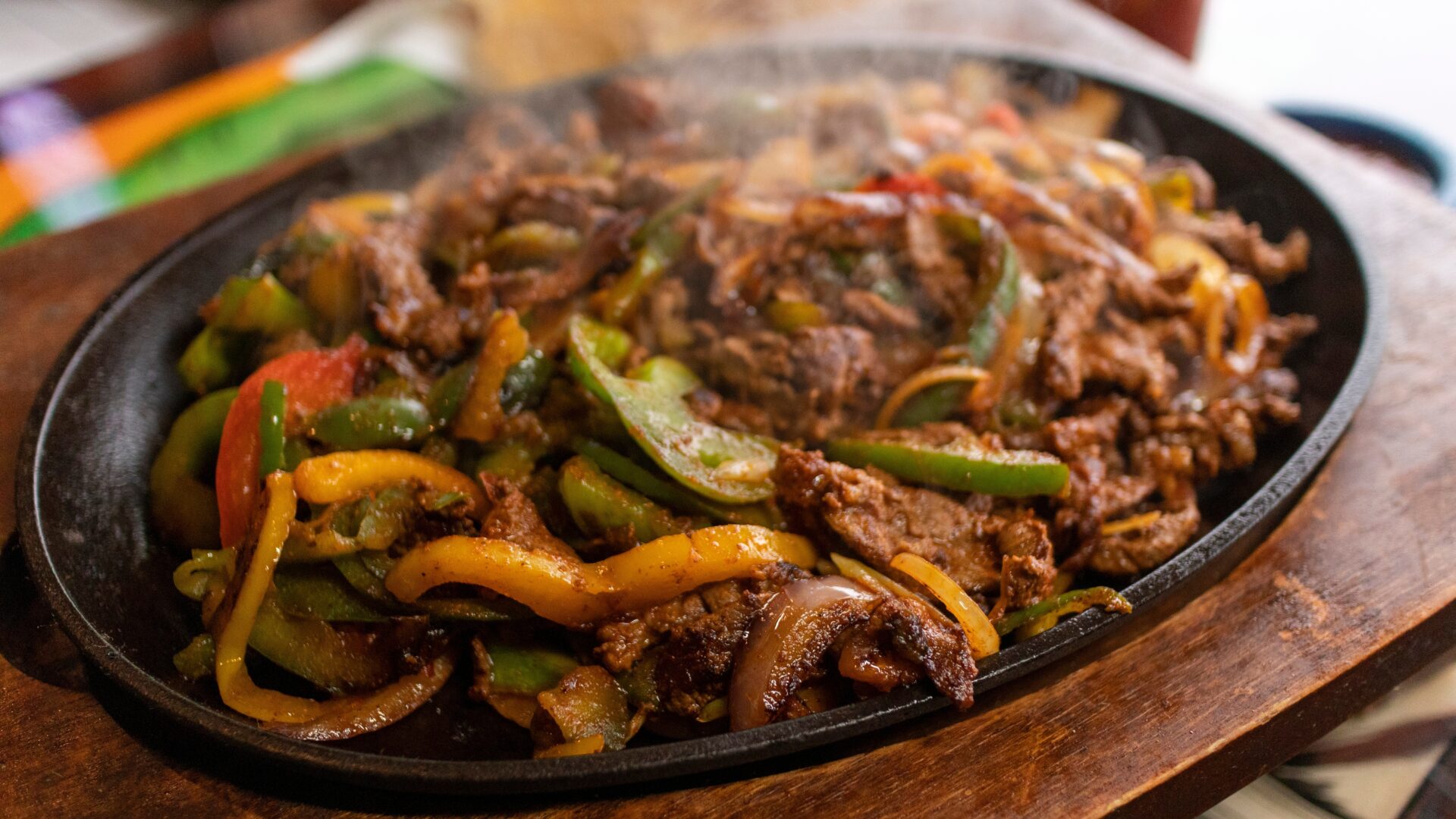
August 18 is National Fajita Day. You probably know the drill. A server walks past your table with a steaming cast-iron skillet, and the hiss of peppers and meat turns every head in the dining room. It’s a classic dish with roots in West Texas, where ranch workers cooked cheap cuts of beef over open fires back in the 1930s.
Fajitas are getting a serious tech makeover. The way we grow, prep, and cook this meal is changing fast, thanks to new food science and smart kitchen tools.
Smarter Meat Production
Traditionally, skirt steak was the go-to cut for fajitas. It has great flavor, but it can be tough if you don’t marinate it right. Researchers in food science have spent years studying muscle fibers to fix that.
By using natural plant enzymes like papain from papaya, meat processors can break down tough proteins naturally before the steak ever hits the grocery shelf. At the same time, cellular agriculture companies are working on cultivated beef grown directly from animal cells. It’s real meat, but it uses far less land and water to produce. One day soon, your fajita beef might come from a lab that runs entirely on renewable energy.
Precision Cooking Tech
Getting that perfect char without drying out the meat isn’t easy. That’s where smart kitchen devices come in.
Modern home cooks are using induction cooktops and precise wireless temperature probes. Induction burners heat cast-iron pans almost instantly by using magnetic fields instead of open flames or electric coils. This gives you exact heat control, so your bell peppers stay crunchy while your steak sears at high temperatures.
Advertisement
Smarter appliances mean less wasted electricity and better results in the kitchen.
Sustainable Pepper Farming
You can’t have fajitas without peppers and onions. To keep up with demand, farmers are adopting indoor vertical farming systems.
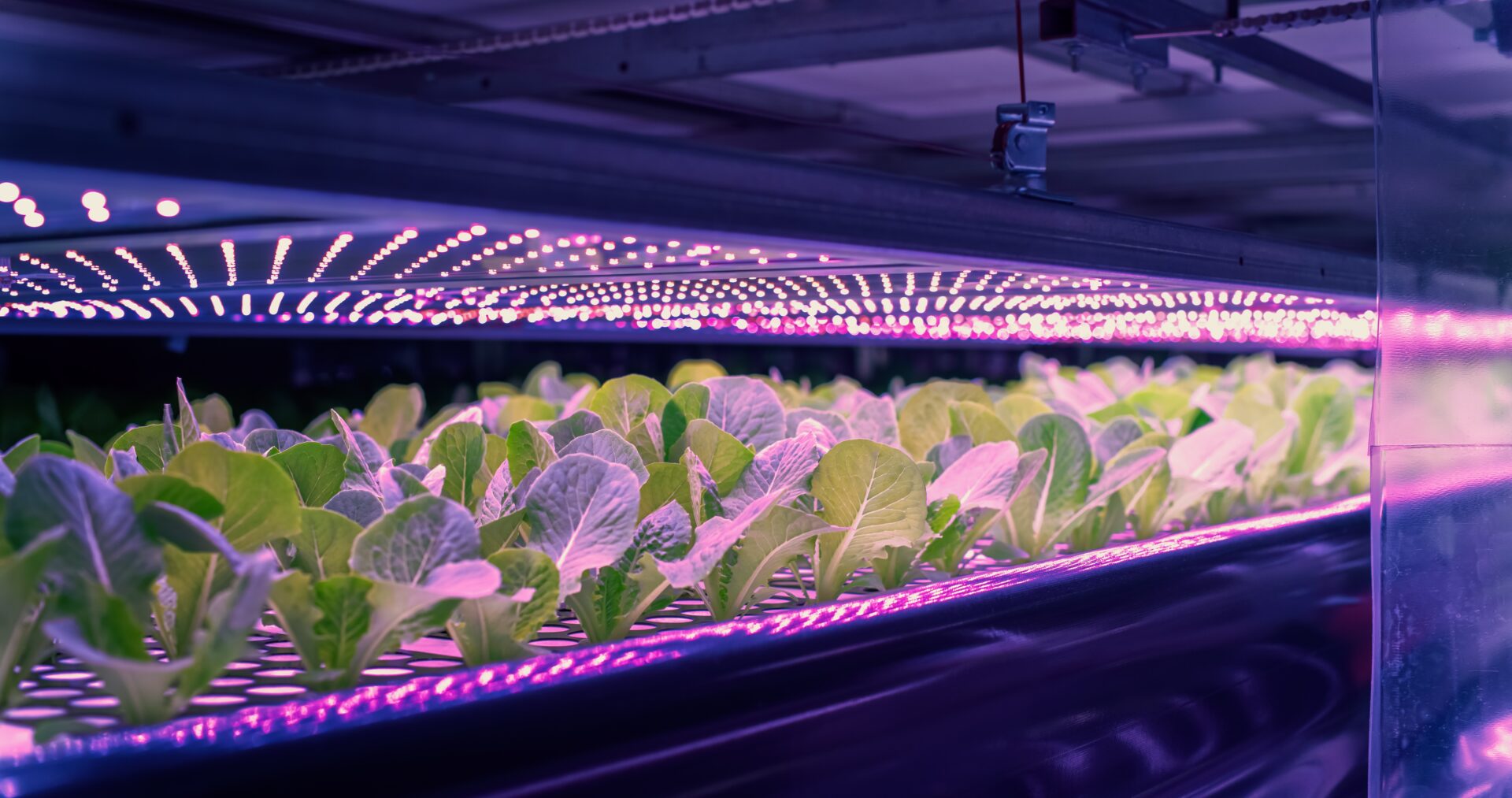
These high-tech greenhouses use targeted LED lighting and hydroponic water loops instead of soil. They use up to 90 percent less water than traditional farms and grow crops year-round without pesticides. That means fresh, crisp peppers can travel fewer miles from the farm to your plate, reducing transportation emissions.
Plant-Based Alternatives
If you don’t eat meat, the options have gotten way better than basic beans. Food scientists now use pea protein and soy fibers to match the texture of real chicken and beef. By extruding these plant proteins under precise heat and pressure, they create strips that brown, sizzle, and absorb marinades just like real steak.
So when you order or cook a plate of fajitas this August 18, take a second to think about the journey. From high-tech farms to energy-efficient pans, food innovation is making dinner tastier and more sustainable every single day.
 Read Exclusive Stories
 Bookmark & Save Articles For Later