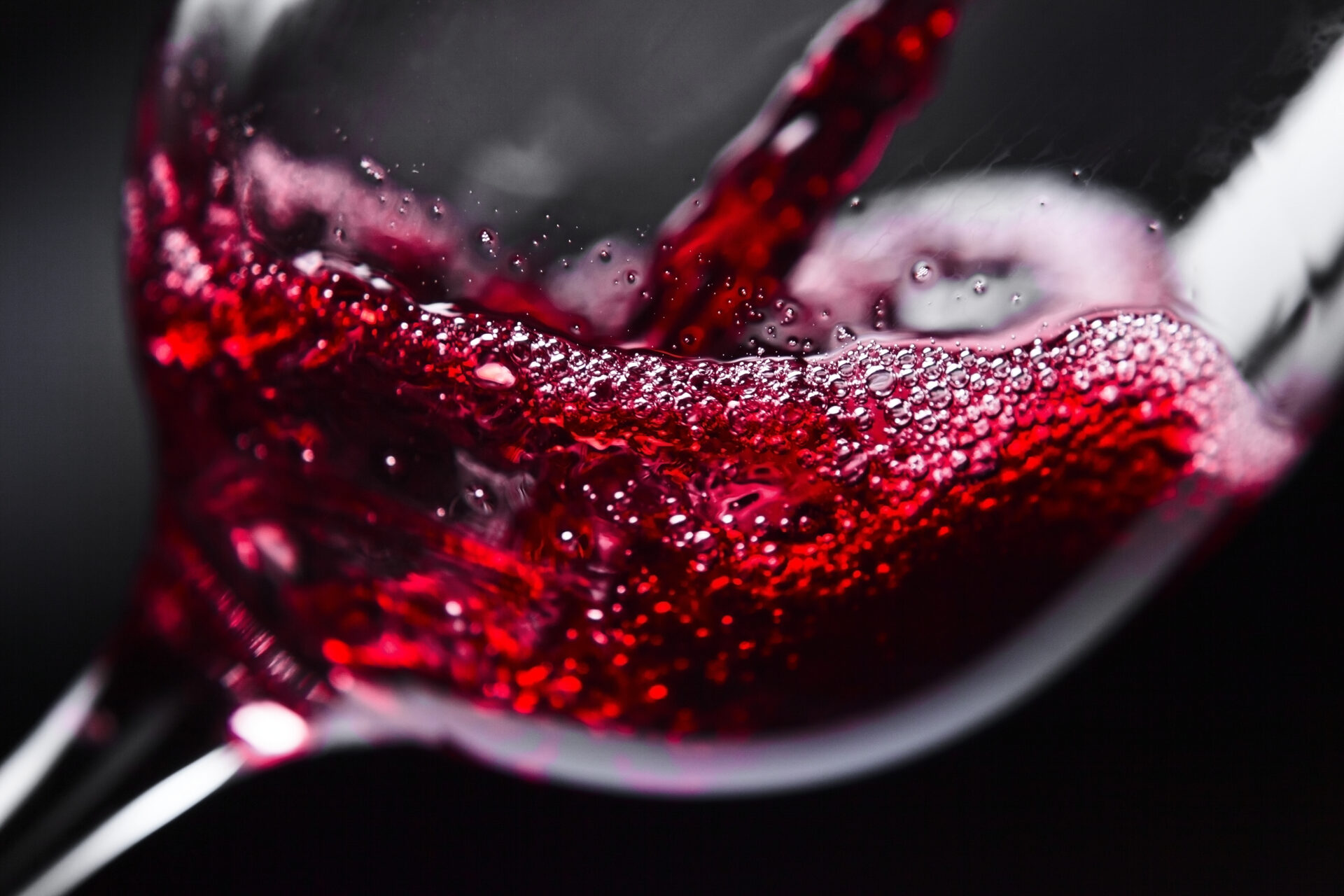
August 28 is National Red Wine Day. Whether you like a rich Cabernet Sauvignon or a light Pinot Noir, pouring a glass is an ancient tradition. People have been making red wine for thousands of years by crushing grapes and letting wild yeast do its job.
While the basic recipe hasn’t changed much, the way vineyards grow grapes and bottle wine is getting a major high-tech upgrade. Science and tech are helping winemakers protect their crops, adapt to weird weather, and make better wine with less waste.
Drones and Smart Sensors in the Field
Growing great red wine starts in the dirt. Cabernet and Pinot grapes are picky about water, sun, and soil temperature. Vineyard owners are starting to use autonomous drones equipped with thermal cameras to fly over row after row of vines.
These cameras spot dry patches or plant diseases long before a human worker could notice them from the ground. Underground sensors measure soil moisture in real time, so farmers can turn on targeted drip irrigation only where it’s needed. This saves millions of gallons of water every season.
AI Fermentation Tracking
Fermentation turns grape sugar into alcohol, but it can be unpredictable. If a tank gets too hot or ferments too fast, the batch can be ruined.
Advertisement
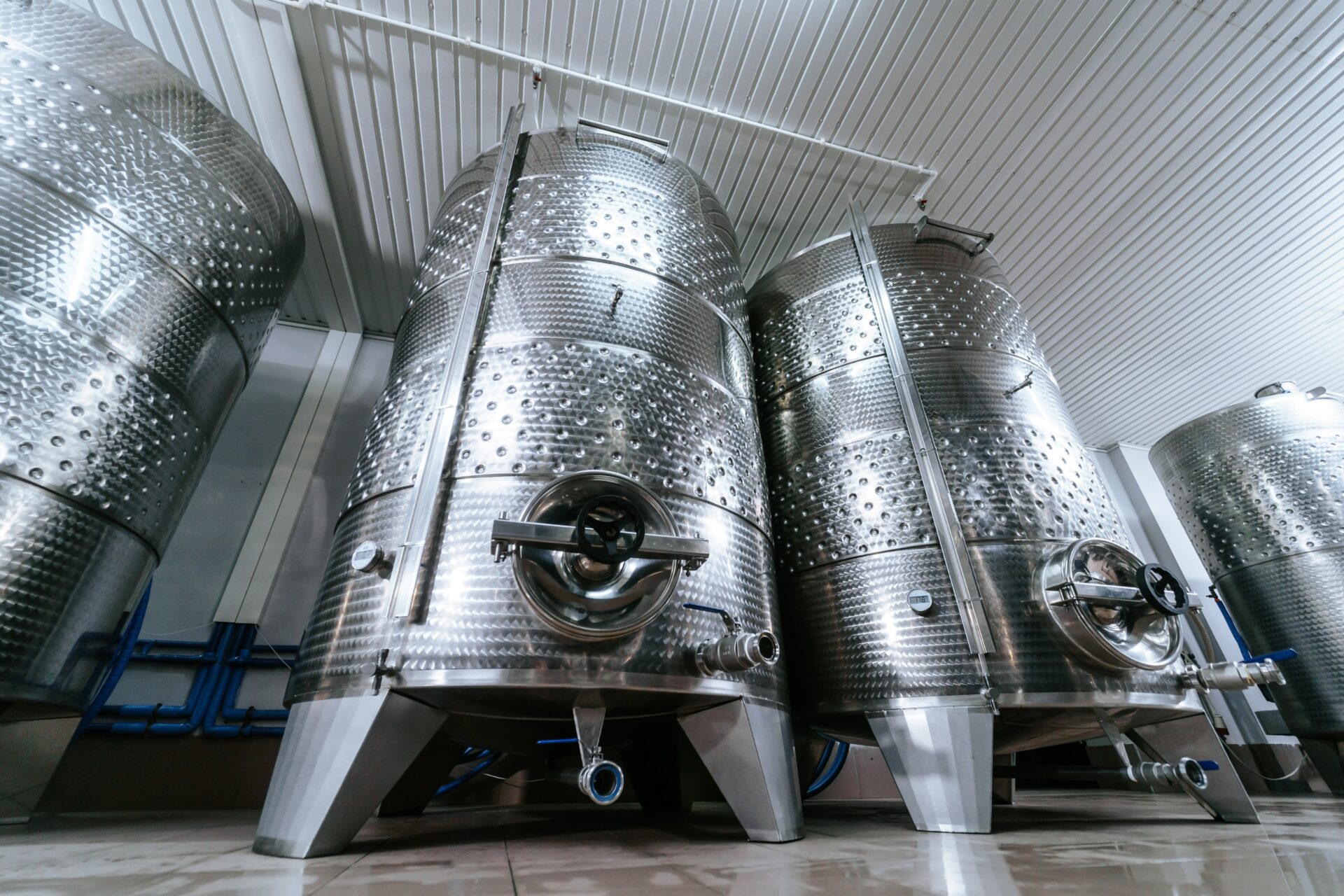
Winemakers are now placing smart probes inside massive stainless steel fermentation tanks. These sensors send continuous data directly to an app on the winemaker’s phone. AI software analyzes temperature and blood sugar levels, predicting problems before they occur. That means winemakers can tweak tank temperatures instantly, keeping batches consistent without adding chemical additives.
Sustainable Packaging Upgrades
Heavy glass bottles make up a huge chunk of a winery’s carbon footprint because they take so much energy to ship. That is starting to change.
Companies are designing lightweight, recycled glass bottles that look identical to traditional ones but weigh up to 30 percent less. Others are switching to flat, recycled plastic bottles that stack tightly in shipping boxes, dramatically reducing transport emissions. Even natural cork production is getting safer, with laser scanners checking every single cork for defects to stop cork taint before it ruins a good bottle.
Better Non-Alcoholic Red Wines
If you want to skip the alcohol, food scientists are using vacuum distillation to improve zero-proof reds. Traditional methods used high heat that boiled off the wine’s natural flavors. New vacuum systems lower the boiling point, removing alcohol at room temperature. This preserves delicate tannins, aromas, and antioxidants, giving non-drinkers an authentic wine-tasting experience.
So when you pour a glass of red wine this August 28, raise it to the technology behind it. From smart field sensors to sustainable bottles, innovation is keeping this ancient drink fresh for the future.

 Read Exclusive Stories
 Bookmark & Save Articles For Later