Roughly 1.5 million people in the U.S. live with rheumatoid arthritis. Standard medication doesn’t always do the trick either. For example, some drugs cause rough side effects, while others stop working over time. Now, a tiny medical implant offers a new approach to treating the autoimmune disease.
Henry Ford Health’s neurosurgery team in Michigan now offers the SetPoint System, a wireless implant roughly the size of a multivitamin. Developed by California-based SetPoint Medical, it is the first FDA-approved device of its kind for adults with moderate to severe rheumatoid arthritis who struggle with traditional medications.
The implant is attached to the vagus nerve and uses mild electrical pulses to trigger the body’s natural anti-inflammatory response. As a result, it relieves joint pain, swelling, and stiffness that impact daily life.
Dr. Ellen Air, chair of the Department of Neurosurgery at Henry Ford Health, completed the state’s first commercial implant on Oct. 26 at Henry Ford Hospital in Detroit.
“Vagus nerve stimulation has been used for years to treat conditions like epilepsy and in stroke recovery, and now we’re applying this approach in a new way to help people with rheumatoid arthritis,” said Dr. Air, who also served as an investigator in the pivotal clinical trial evaluating the SetPoint System. “For patients who haven’t found relief with medications, this gives us a new way to treat the inflammation driving the disease, one that we hope can make a meaningful difference in how they feel and function every day.”
Only One Minute of Stimulation a Day
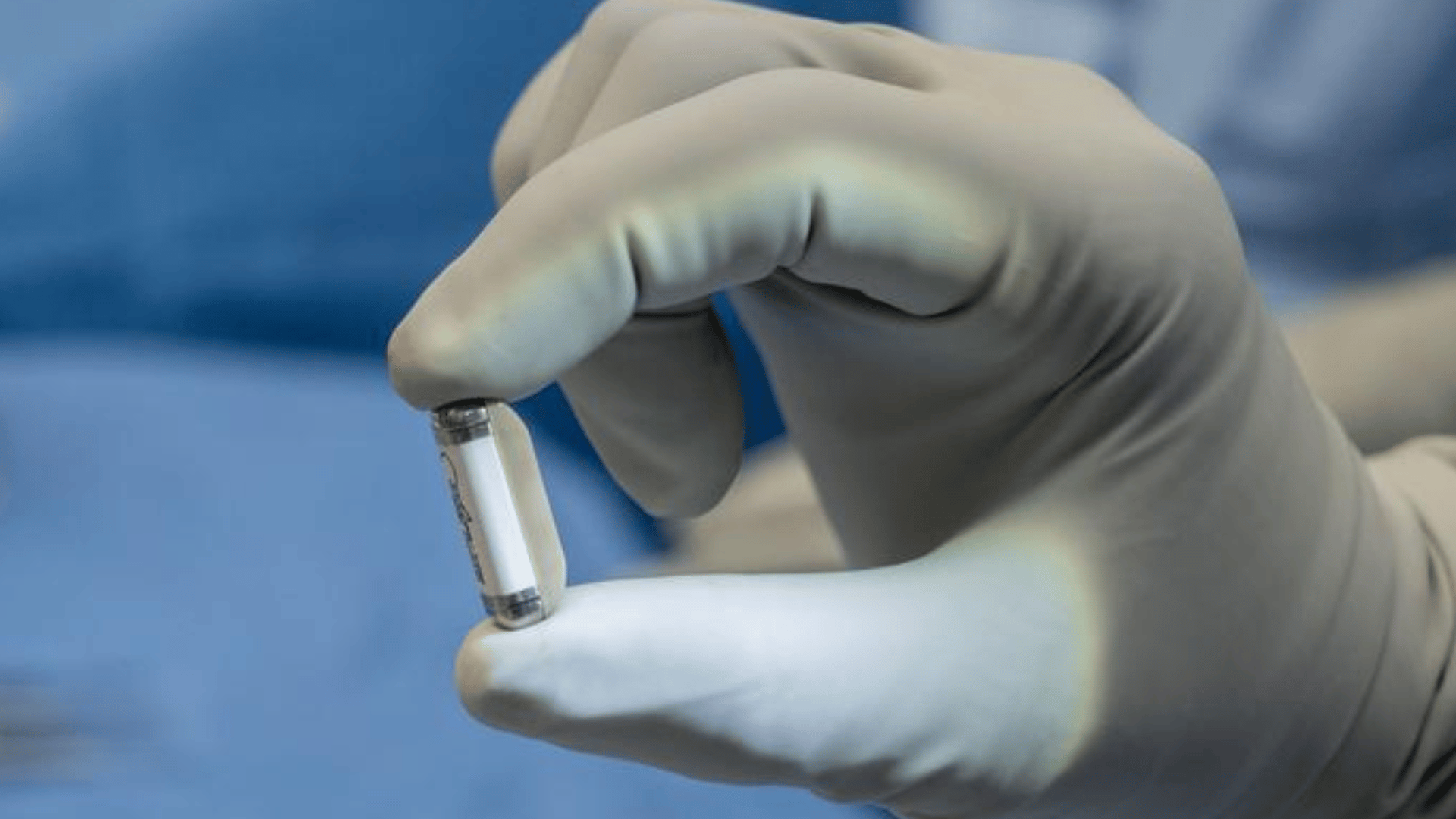
Implanting the device is a 60-to-90-minute outpatient procedure, and patients usually go home the same day. Once the small neck incision heals, a rheumatologist activates the device. From there, it runs automatically, delivering just one minute of stimulation a day, often while the patient sleeps. Users recharge it weekly with a neck-worn charger, and the implant is built to last up to 10 years.
The first Michigan patient, 71-year-old Kim Landrith of Macomb County, had her device turned on Nov. 11 after nearly three decades of trying different drugs and undergoing multiple joint replacements.
“I’m hoping for more mobility and less pain,” Landrith said. “I want to be able to move my hands and fingers, to write my name and to walk without my toes and feet hurting. I used to love to cook and bake, and right now, it’s difficult just to pick up a heavy pan or put cookie sheets in the oven.”
Clinical trials leading to the device’s July 2025 FDA approval showed improvements after three months. After a year, roughly half of the patients reached low disease activity or remission, and over 75% didn’t need to add another medication.
Advertisement
 Read Exclusive Stories
 Bookmark & Save Articles For Later