Denture production has traditionally relied on milling machines. But a major shift toward 3D printing is underway in dental labs right now.
Vivia Sequeira, a clinical assistant professor at the UNC Adams School of Dentistry, explains why this change matters. Scalability and affordability are the main attractions. 3D-printed resins are much cheaper than milled pucks. Plus, a 3D printer can print multiple dentures for different patients in a single cycle. Milling machines can only handle one denture at a time. That makes printing far more cost-effective for busy dental labs.
Although milling is a long-standing industry standard, early data indicates that 3D-printed dentures perform as well as their milled counterparts. But Sequeira’s team is running a 5-year study to get long-term performance metrics on these printed prosthetics. They are tracking accuracy, stainability, and wear resistance. They are also closely watching for common problems such as material fractures and tooth debonding.
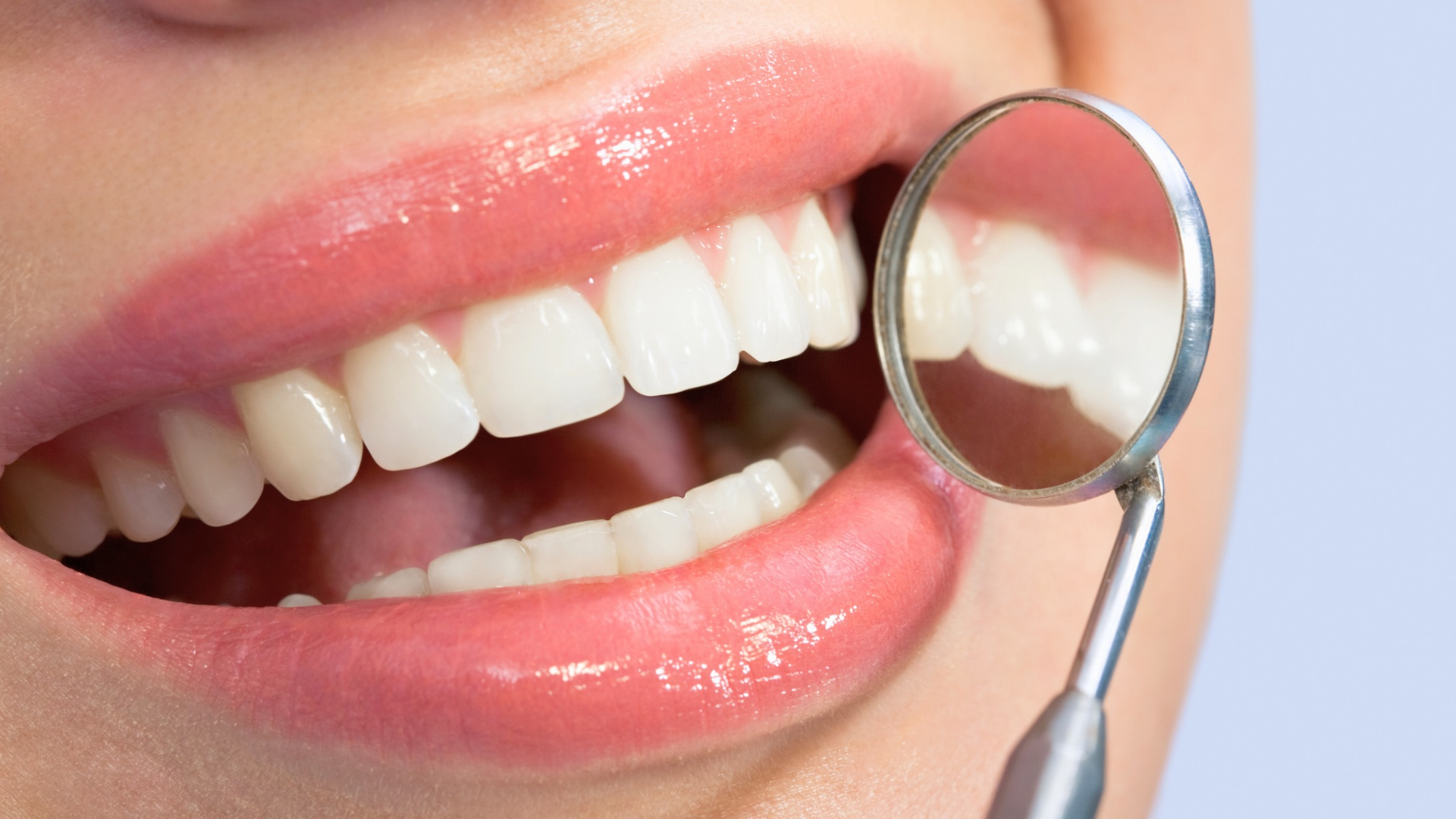
Patients care most about comfort. Both technologies copy patient molds with high accuracy. This precise fit brings big benefits to everyday wearers. A better fit means fewer adjustment appointments and a much smoother acceptance period. This helps first-time wearers and people who have struggled with bad dentures for years. “A better fit would also mean lower rates of additional appointments to adjust dentures and a quicker and smoother acceptance period for denture patients,” Sequeira notes.
Digital workflows will also help underserved populations. As long-term data builds trust, more clinics will adopt these tools. Higher demand will eventually lower commercial production costs. That makes quality dental care more accessible for communities that need it most.
Dentists are noticing these benefits too. Many practices are investing in multi-use additive manufacturing equipment. Because these printers can create many types of dental pieces on site, they offer a great return on investment. Clinics can slash turnaround times and keep patients happy. “3D printing is relatively affordable and can be adopted by a clinic to print multiple types of prostheses in addition to dentures on site,” Sequeira explains.
Advertisement
 Read Exclusive Stories
 Bookmark & Save Articles For Later