Hydrogen fuel cells generate electricity without the exhaust emissions associated with conventional combustion engines. This is exactly why it’s an appealing clean energy option, but getting them into airplanes is not easy. The systems used in cars and heavy trucks are still too heavy and fragile for commercial flight. To leave the ground, a cell needs high power, low weight, and tough durability.
Now, UBC Okanagan and British Columbia-based Unilia (Canada) Fuel Cells Inc. are teaming up to find an innovative solution to get hydrogen fuel cells in the air.
“Designing fuel cells for aviation presents different challenges than building them for use on roads, rail or water,” explained Dr. Joshua Brinkerhoff, an associate professor of mechanical engineering at UBC Okanagan. “Aircraft propulsion systems need to deliver substantial power while remaining light and dependable through changing temperatures and operating conditions.”
The $10.6-million project is backed by a $3.7-million contribution from the Initiative for Sustainable Aviation Technology (INSAT), an effort funded by the Government of Canada and run by the non-profit Strix.
Getting the Hydrogen Fuel Cells in the Air
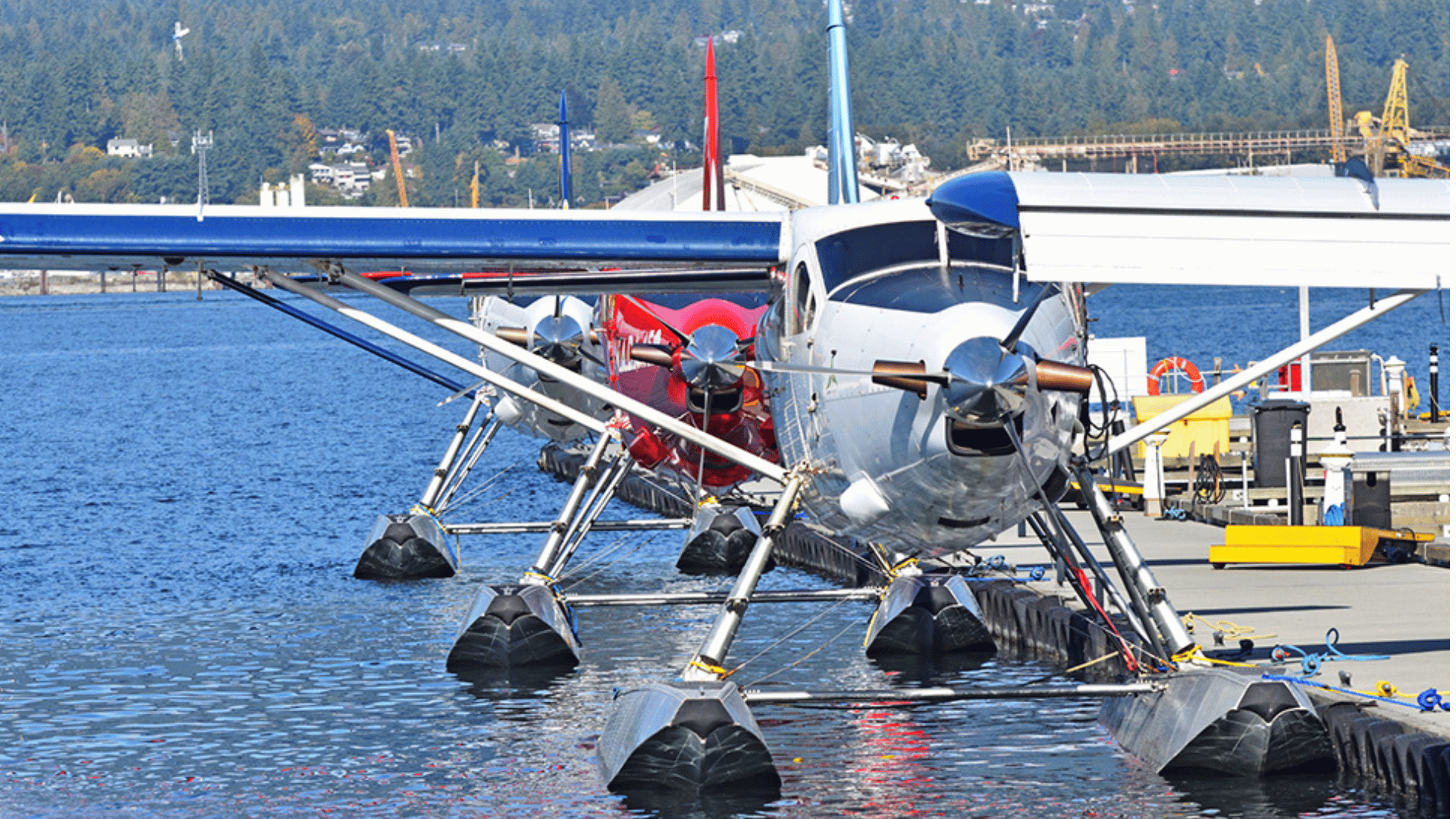
UBC researchers will run tests on materials under flight conditions, study onboard support systems, and model hybrid setups that combine fuel cells with batteries. Unilia will build a compact, high-power stack designed to handle high heat and low humidity using lightweight parts.
Advertisement
“Some of the most meaningful advances happen when expertise from different industries and disciplines comes together,” said Dr. Carmen Chuy, manager of the Technology Development Program at Unilia. “We’re excited to bring our many years of experience developing fuel cells for demanding heavy-duty applications into this collaboration, while drawing on UBC’s aerospace, materials and systems expertise. That diversity of perspective will help us rethink fuel cell design around the very different requirements of aviation.”
The team also includes Dr. Előd Gyenge from UBC Vancouver to lead materials research, along with technical guidance from Harbour Air Aerospace Services Ltd.
“This project reflects the strength of Canada’s aerospace innovation ecosystem, bringing together leading researchers and industry experts to advance promising hydrogen fuel cell technologies,” explained Denis Godin, Chief Technology Officer and Deputy CEO of Strix. “Through INSAT’s support, we are helping accelerate the development of solutions that can enhance Canada’s competitiveness while contributing to a more sustainable future for aviation.”
Their main target is a working prototype with enough power density for short- and medium-range passenger flights.
“While further development and testing would be required before the technology could be used in commercial flight, this project represents a crucial step in advancing fuel cell technology for aviation,” says Dr. Brinkerhoff. “It’s very exciting. There is a huge need and potential for this technology.”
 Read Exclusive Stories
 Bookmark & Save Articles For Later