Before digital sensors and phone screens took over photography, people used simple chemistry and sunshine to make pictures. Sir John Herschel invented the cyanotype back in 1842. This old process feels fresh again. It blends art and basic chemistry into a tactile craft that anyone can do at home.
The Science Behind the Blue
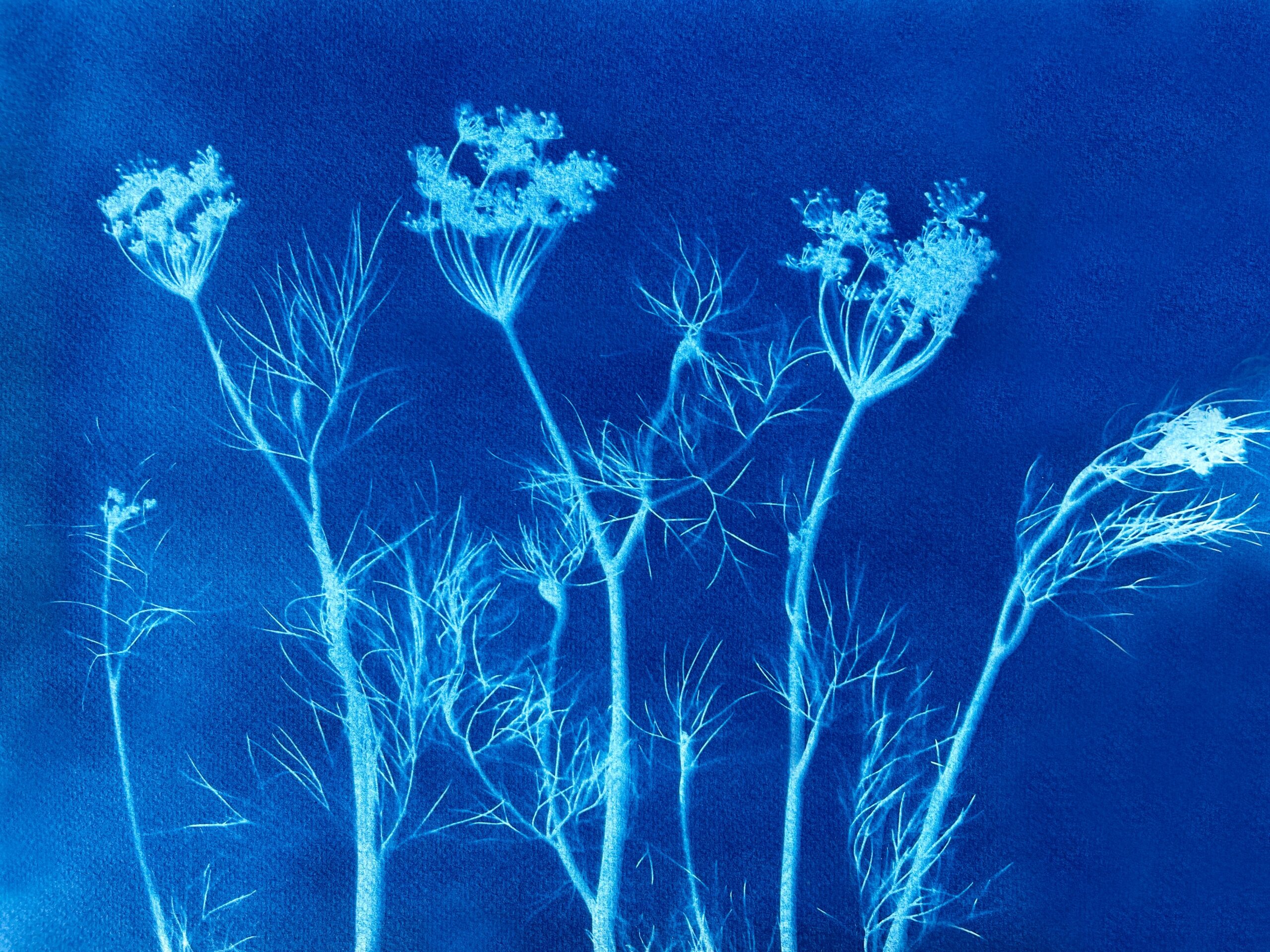
The whole setup runs on two iron salts: ferric ammonium citrate and potassium ferricyanide. You mix equal parts with water in dim indoor light. Then, you coat a surface and let it dry in the dark. Once it is exposed to direct sunlight, ultraviolet rays trigger a rapid chemical reaction. The iron changes, turning into an insoluble pigment called Prussian blue.
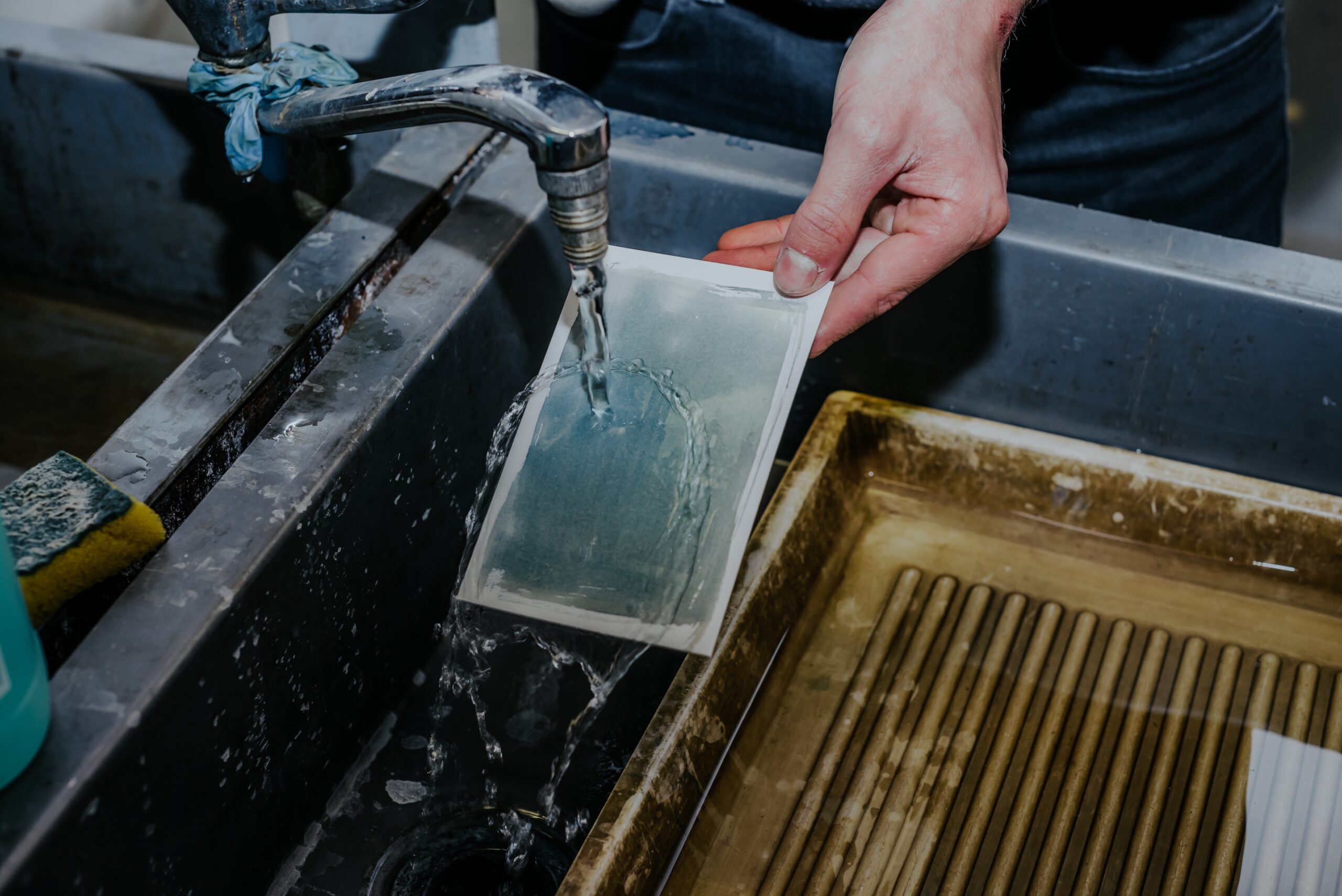
What makes this craft stand out is its simplicity. You do not need a camera, a darkroom, or expensive equipment. All you need is running water to wash away the unreacted chemistry. The areas blocked from the sun stay crisp and white. Everything else turns a rich, deep blue.
Catching Shadows and Silhouettes
You can make these prints in dozens of fun ways.
Advertisement
The most common method uses pressed botanicals. You grab fern fronds, dandelion leaves, or thin flower petals from your yard. Lay them flat on your paper under a piece of glass. Pop it in the midday sun for five minutes, and you get sharp, ghostly silhouettes of nature.
You do not have to stick to plants, either. You can print regular photos onto clear overhead projector sheets. Put that transparent negative over your paper, and the sun prints a high-contrast photograph. Feathers, vintage lace, gears, and flat wire shapes work great, too.
Beyond Plain Paper
Paper is just the starting point. You can coat natural fabrics like cotton tote bags, linen shirts, or silk scarves. After a quick wash, you have wearable art that will not rinse out. Some artists coat raw plywood, terra cotta tiles, or smooth rocks.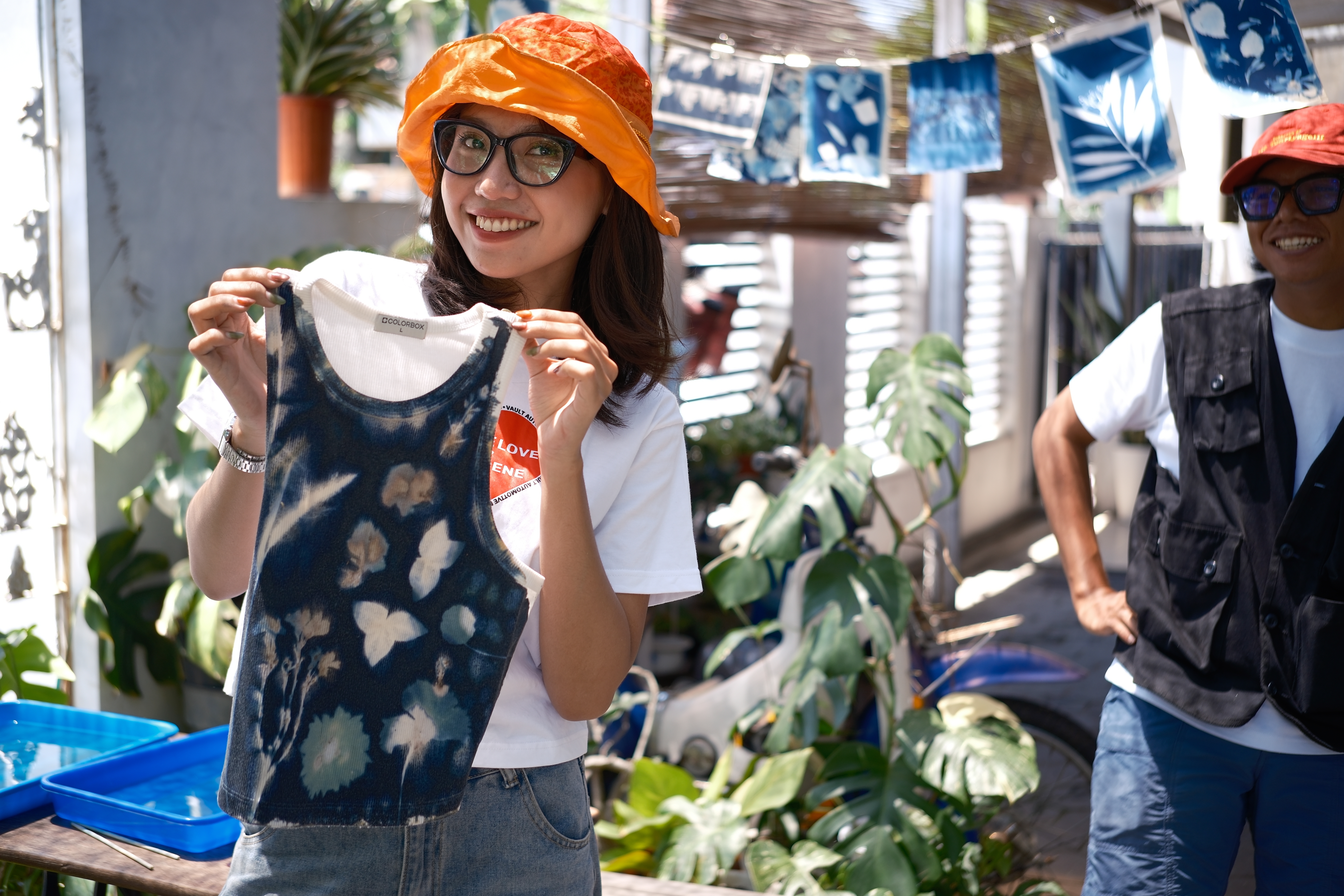
You can also change the colors after you print. A splash of hydrogen peroxide in your rinse water darkens the blue in seconds. If blue feels too plain, soak the dry print in green tea or coffee. The tannins react with the iron, turning the blue into warm sepia, deep gray, or soft black.
The process has a few quirks. It only works under genuine UV light, so window glass can slow it down. It also demands patience, since thick papers take time to dry. But watching your image appear under a stream of cool tap water never gets old. It shows how simple science can still spark creative ideas today.
 Read Exclusive Stories
 Bookmark & Save Articles For Later