Remember when fitness bands just counted your steps? Those days are long gone.
Tech companies are pushing a new wave of gadgets that do much more than just track workouts. Smart glasses, rings, clips, and watches now act like real personal assistants.
GlobalData released a report about this exact shift. Amanda Mitchell, a senior analyst at the firm, shared a clear picture of where things stand.
“AI is moving wearables beyond tracking and toward acting on a user’s behalf,” Mitchell said.
Depending on the device, these new tools can book a flight, shop for groceries, or catch up on a missed part of a conversation. You do not even have to pull out your phone.
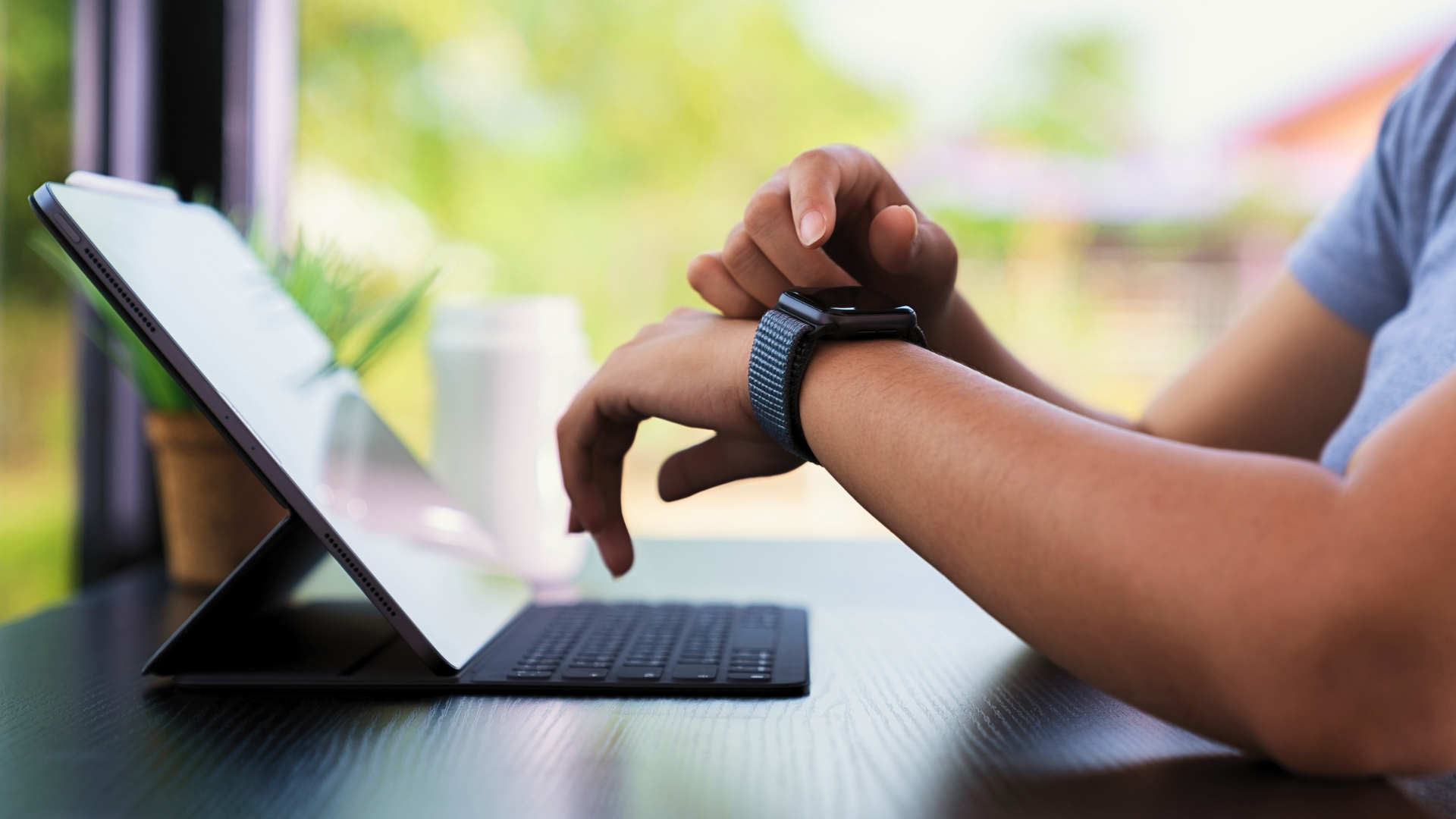
Big names like Apple, Google, and Samsung are adding AI to phones, watches, and earbuds. Meta is pushing its smart glasses further with a personal AI agent called Muse. Oura and WHOOP are focusing hard on health coaching. At the same time, newer gadgets like Amazon’s Bee clip onto your clothes to capture conversations and turn them into reminders.
Advertisement
New hardware hits the market almost every week. But all that convenience comes with a heavy catch.
These gadgets see and hear a lot. For example, smart glasses can record people who have no idea a camera is rolling. That’s kinda scary when you think about it.
Other devices tap straight into microphones, health records, emails, and calendars.
Companies are trying to fix some of these issues. Meta updated its smart glasses to make the recording light harder to tamper with. Even so, the industry builds and ships new hardware much faster than it fixes privacy problems.
Regulators are finally starting to step in. In October, the European Data Protection Board called for obvious recording lights that manufacturers cannot just hide. Countries like Norway and Australia are also putting strict bans and rules in place.
Right now, the industry is moving fast. But users have to ask themselves a tough question. Is constant convenience really worth handing over that much access to your daily life?
 Read Exclusive Stories
 Bookmark & Save Articles For Later