Finding the right treatment for aggressive cancers is a tough battle, especially when standard options stop working. Researchers at University College London and the University of Cambridge have built a computer program that creates “digital twins” of patient tumors to test which drugs will help destroy the disease.
In a study published in Cell Reports Medicine, the team focused on Triple-Negative Breast Cancer (TNBC). TNBC makes up about 15% of all breast cancer cases. It grows quickly, mutates rapidly, and lacks the three common targets that standard hormone therapies use to fight cancer cells.
An AI Digital Twin for Triple-Negative Breast Cancer
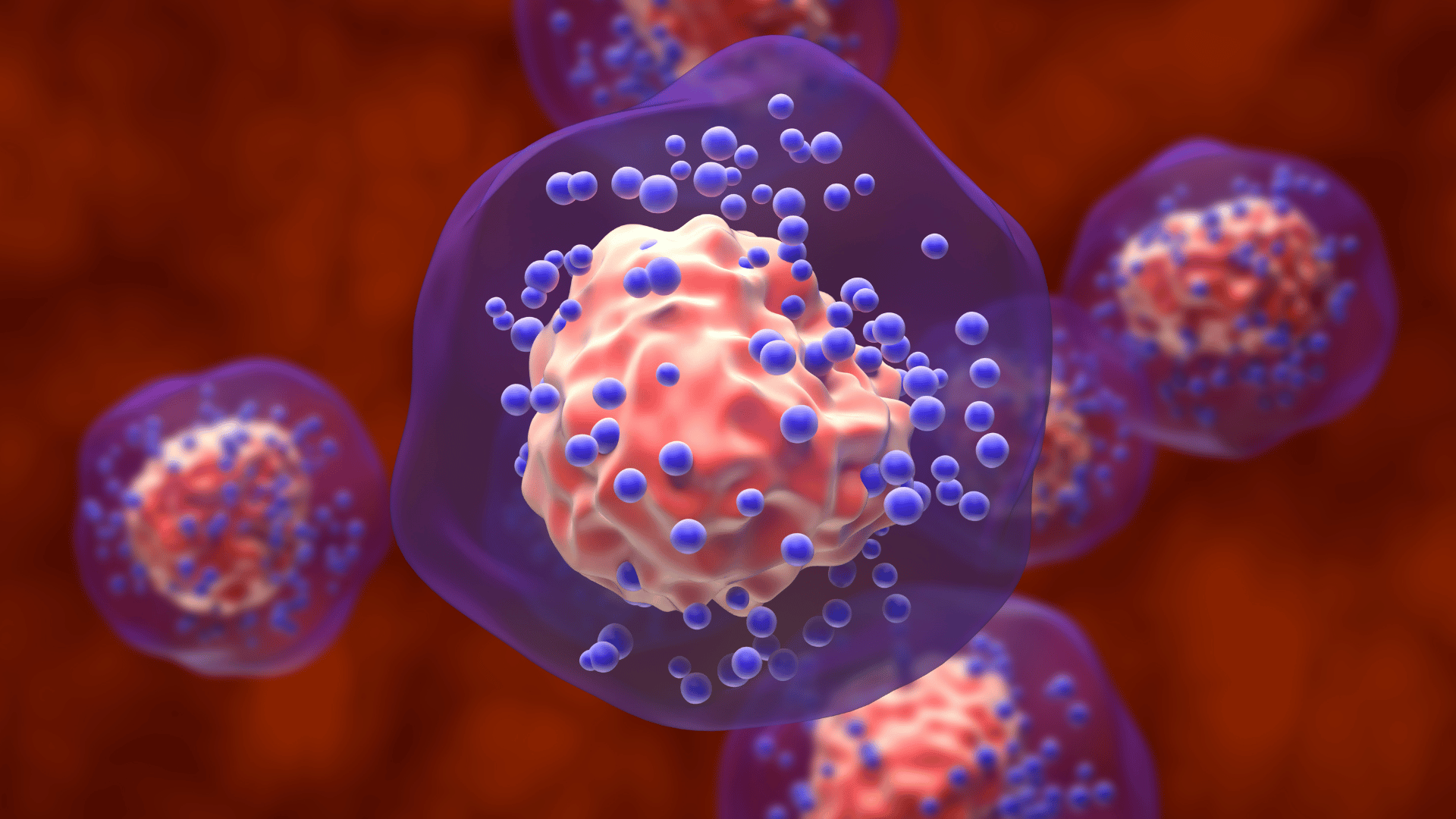
Many doctors are skeptical of standard artificial intelligence because large language models operate like a “black box,” making it hard to see how the software reaches a decision. To address that issue, the researchers used “symbolic AI” instead, a model that relies on step-by-step biological logic rather than simple guessing, so doctors can trace every step of its reasoning.
To see if it worked, the team created computer-generated tumors using real genetic data from 31 patients in the PARTNER clinical trial. The program simulated treating each digital twin with chemotherapy alone, chemotherapy paired with a drug named Olaparib, or no treatment at all.
Advertisement
When compared to actual clinical trial results, the virtual program accurately predicted whether a treatment worked 74% of the time.
Even better, the digital twins suggested additional targeted treatments for 12 out of 13 patients who did not respond well to standard options. For 10 of those patients, the models predicted that adding a targeted therapy could reduce the tumor so much that no invasive cancer would remain in the breast or lymph nodes.
A Guided Tool for Cancer Research
Lead author Professor Jasmin Fisher explained that the system works alongside clinicians rather than replacing them.
“We have shown the broad and powerful range of insights that personalised virtual tumours could bring to cancer medicine through our symbolic AI-based computer model,” said Lead author Professor Jasmin Fisher (UCL Cancer Institute). “By identifying treatment approaches for patients who did not respond to standard treatments, our approach paves the way for digital twins to be used by clinicians as a tool to guide their therapeutic decisions, particularly in hard-to-treat cancers like TNBC.”
Fisher added, “We see our computer model as an aid for existing cancer clinical practice, not an alternative to it: a way of generating new ideas particularly in relation to proteins or genes that could be targeted in ways that, as it were, restore a patient’s sensitivity to existing drugs and make those treatments effective.”
 Read Exclusive Stories
 Bookmark & Save Articles For Later