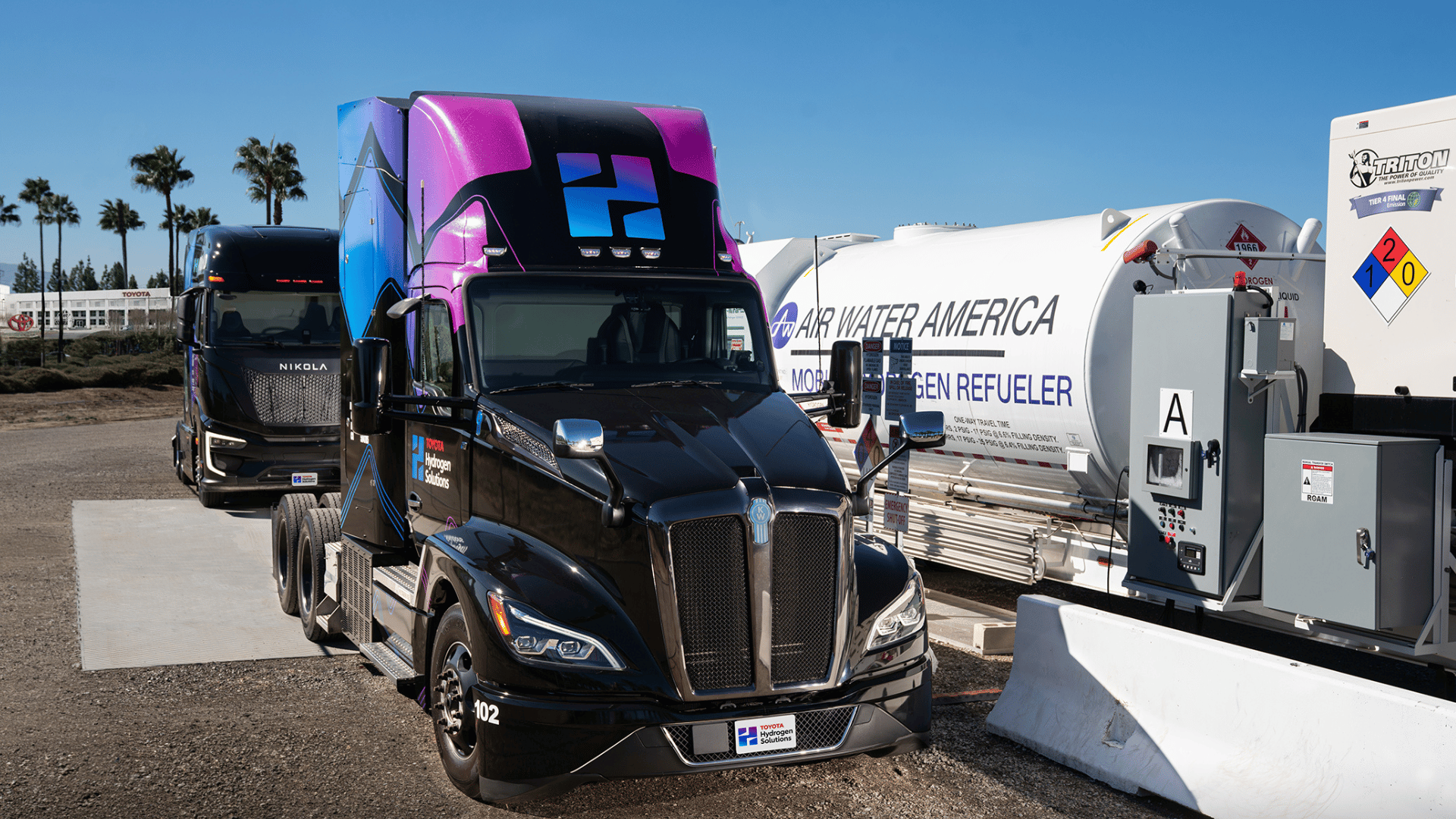
A drawing of a costume looks great on paper. But actors are not flat. A costume designer has to turn a two-dimensional sketch into real clothes that a person can actually wear and move in.
Building The Mock-Up
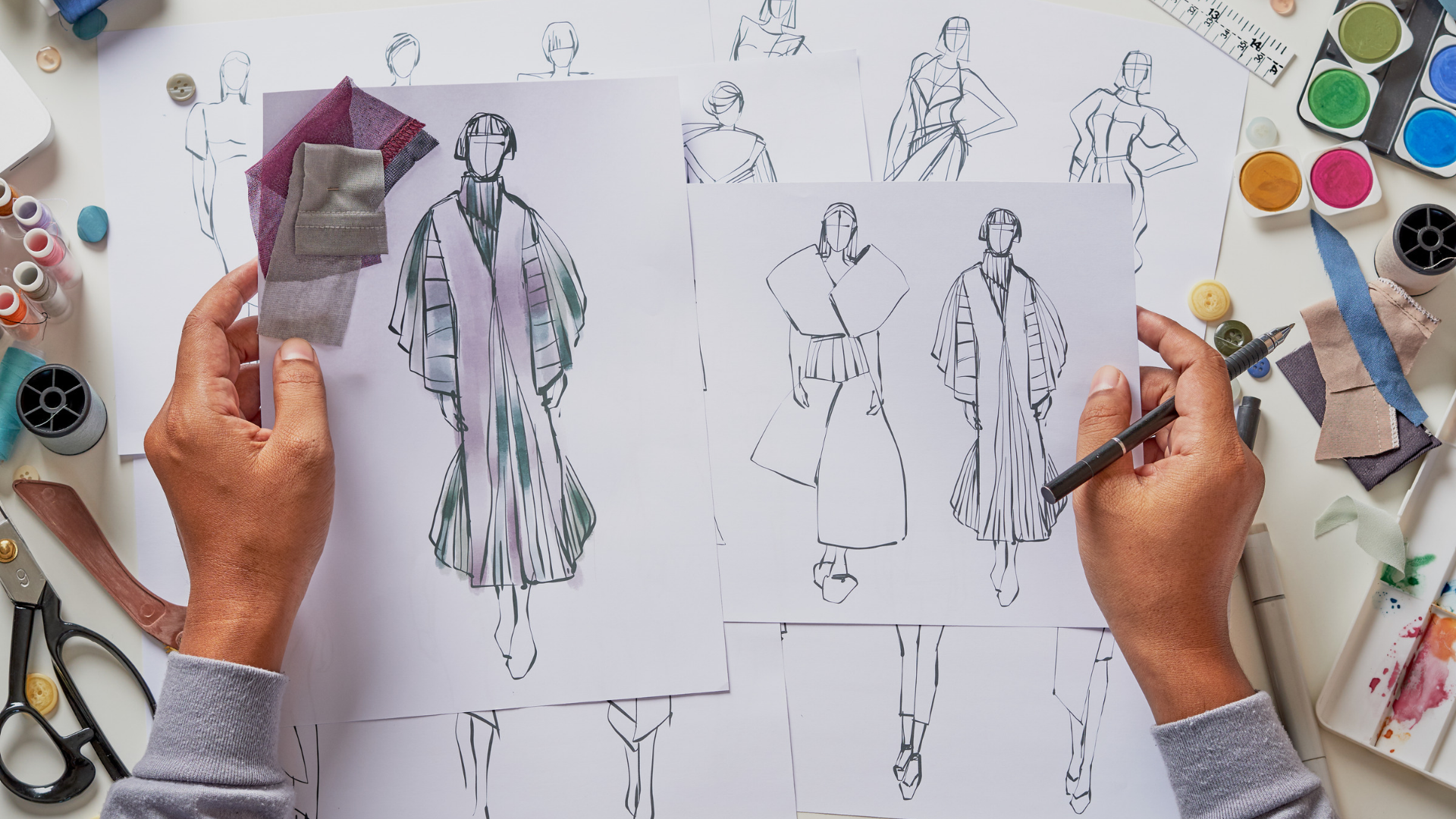
You do not just cut into expensive fabric right away. The maker builds a test version first. They use a cheap cotton fabric called muslin.
They drape the muslin over a mannequin and pin it to match the sketch. This test piece is called a toile. It lets them see how the flat drawing looks on a three-dimensional body. Then they take it apart and use those cheap cotton pieces as the final sewing pattern.
Picking The Right Fabric
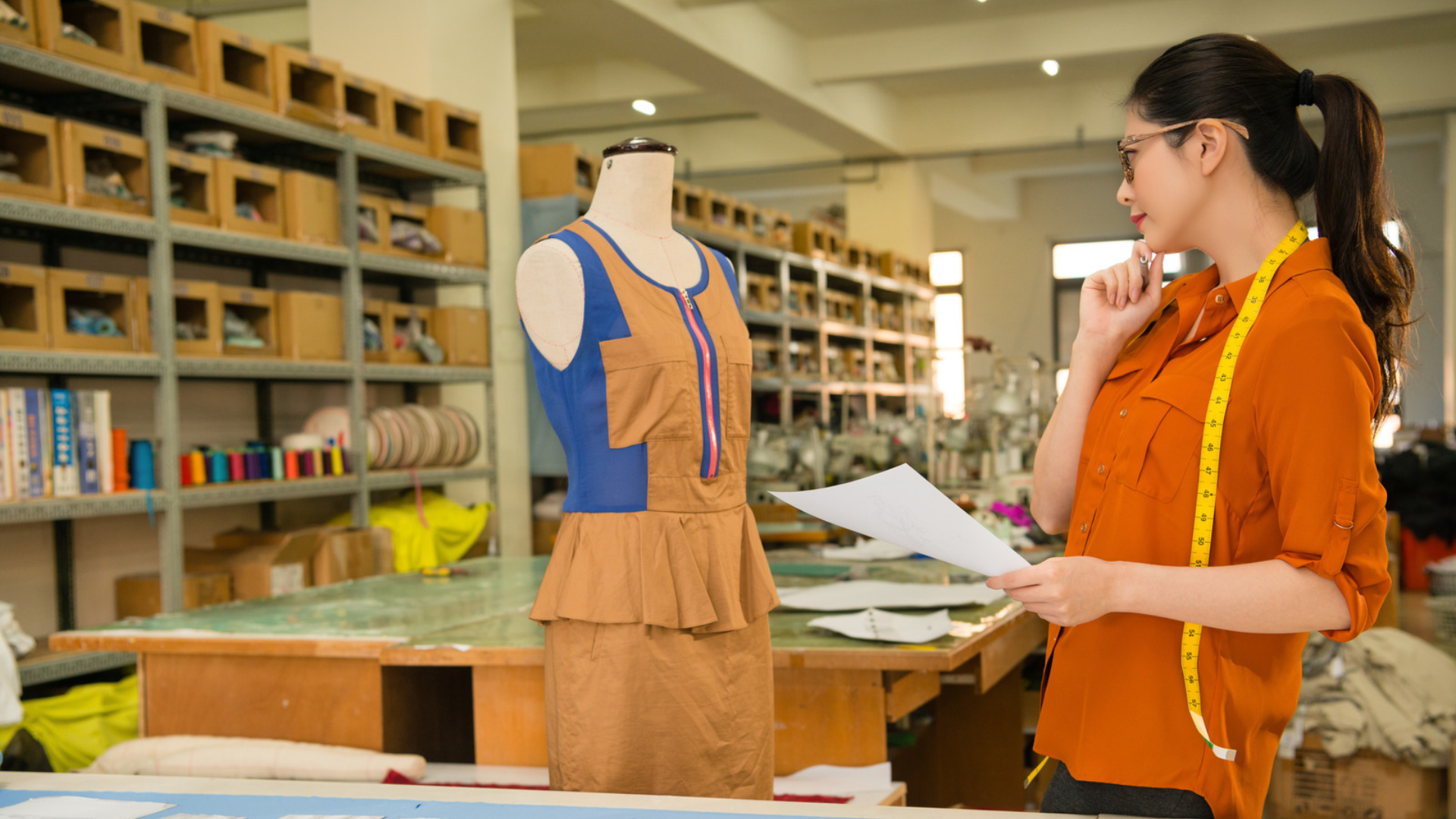
A sketch does not tell you how heavy a shirt is. The maker has to decide that. They pick materials based on how the character acts and moves.
Advertisement
A wealthy character might wear stiff silk that holds its sharp shape. A tired traveler needs soft wool that hangs loose. The fabric has to move the right way when the actor walks or runs. But here is the problem. If the designer picks a stiff material for an action scene, the actor simply cannot move.
Breaking It Down
Newly sewn clothes look completely fake on camera. Real people wear their clothes out over time. Their jackets fade in the sun and get dirty.
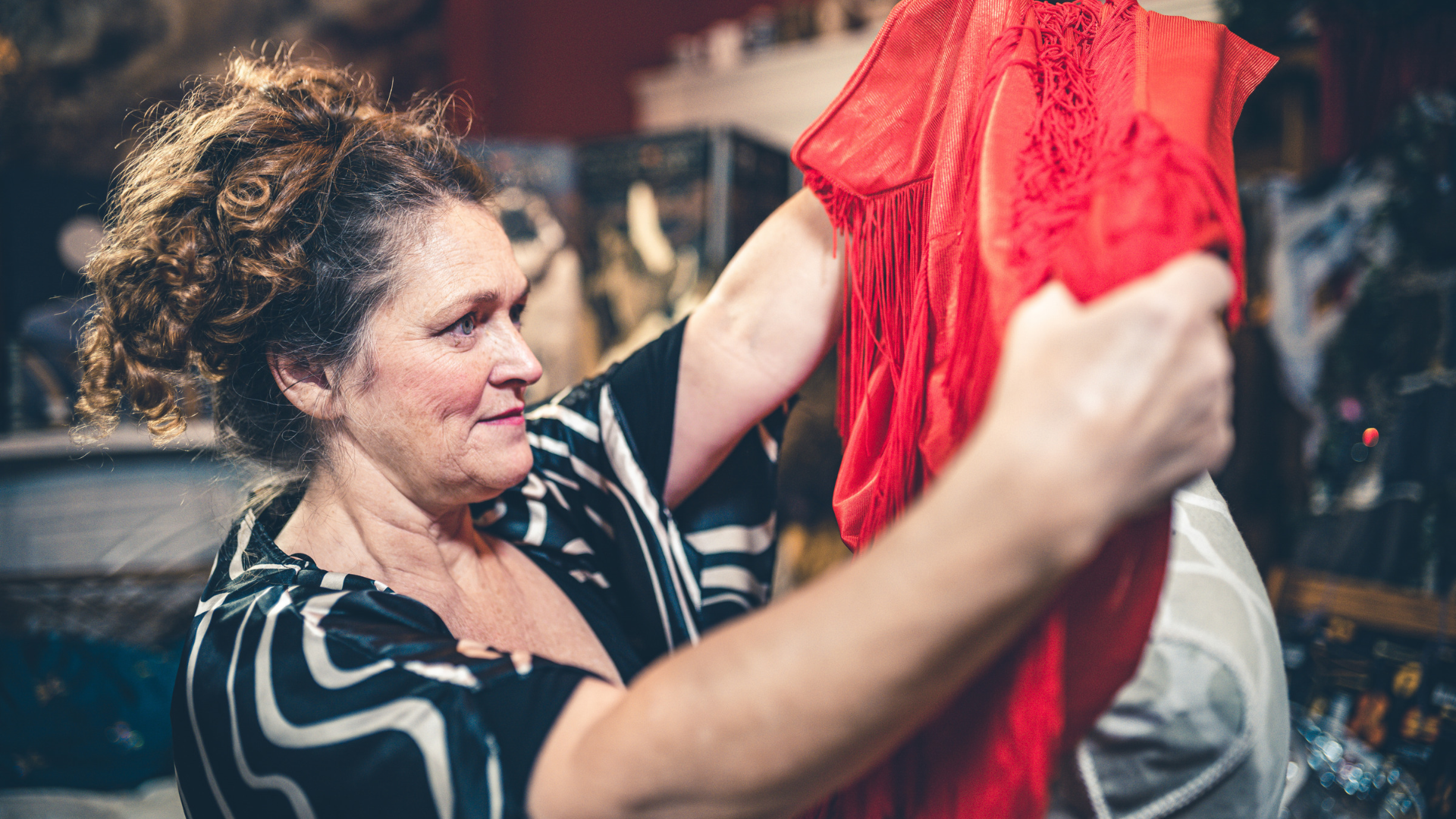
So the designer actually has to ruin the new costume. This process is called breaking down. They use sandpaper on the knees and elbows to thin out the fabric. They spray dull dye around the collar to mimic sweat. And that is why it matters. The wear and tear tells you exactly who the character is before they even speak.
 Read Exclusive Stories
 Bookmark & Save Articles For Later