Manufacturing usually follows a straight line: you extract raw materials, build a product, ship it out, and eventually throw it away.
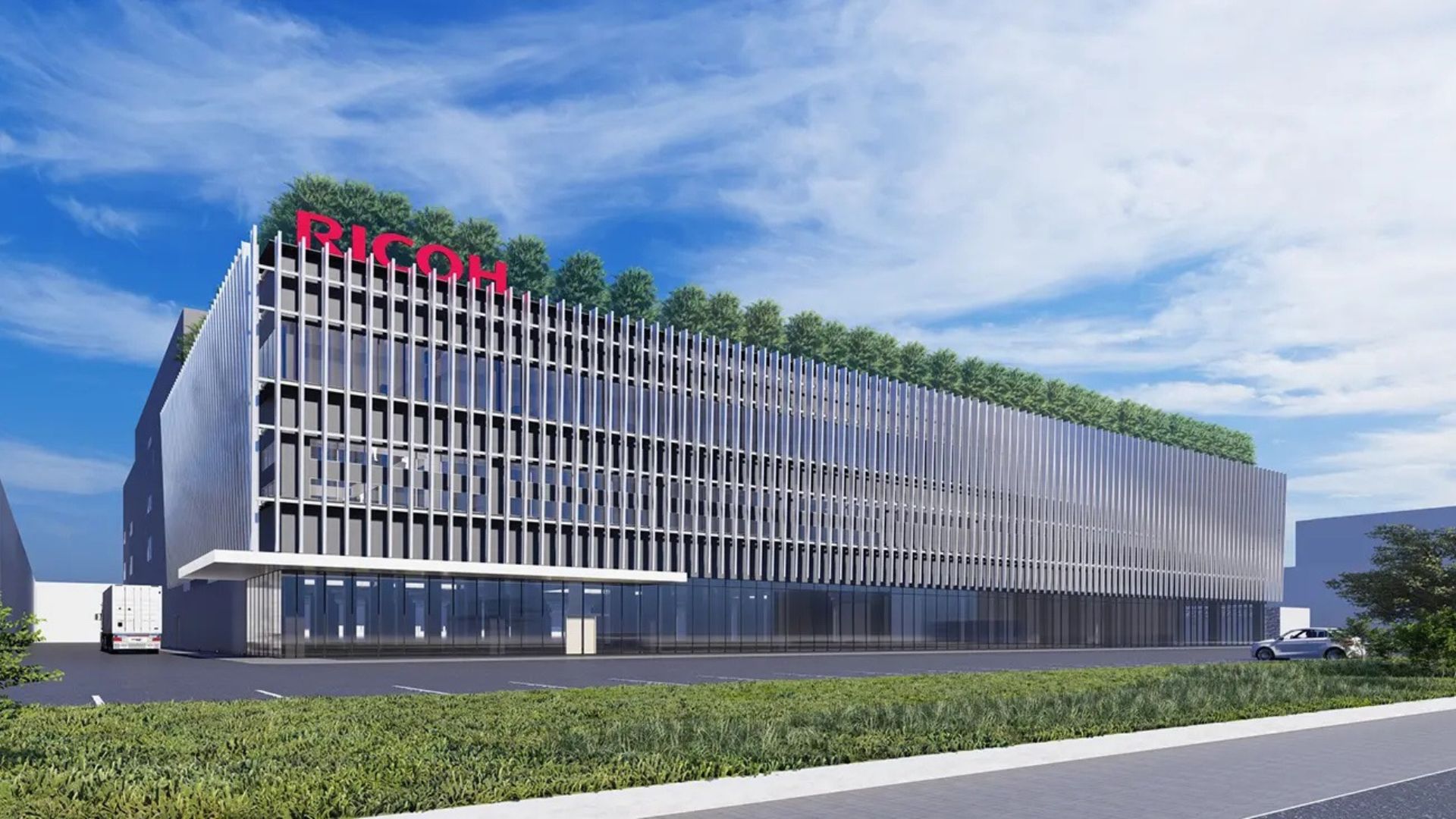
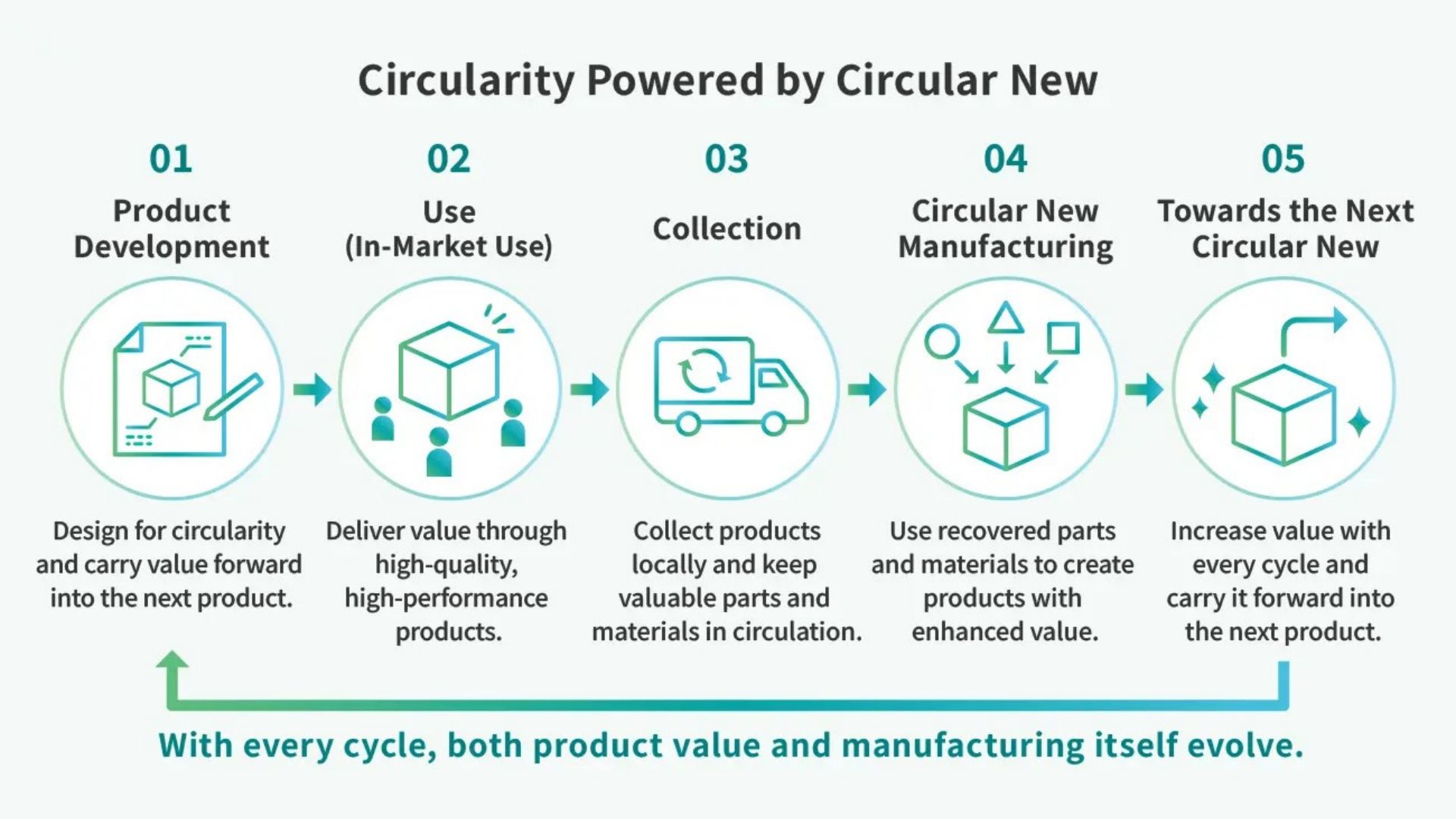
Ricoh and ETRIA are trying to flip that script with a new manufacturing concept called “Circular New,” designed to turn products already sitting in the market into active resources for new builds.
Old Machines as New Assets
For years, companies have relied on centralized manufacturing hubs and brand-new raw materials to build office equipment.
Under the new initiative, Ricoh and ETRIA are changing how products are engineered from the ground up. They’re designing future printers to share frames and components across generations, making them simple to disassemble and repair.
Advertisement
Instead of relying solely on recycled plastics or steel, the companies will recover and reuse actual components and resources straight from existing products in the field.
The first rollout kicks off in the first half of 2027, focusing on A3 monochrome multifunction printers (MFPs) produced in localized facilities in Japan and France.
Cutting Raw Materials and Carbon
By shifting to local circular production near where customers use the equipment, the numbers change drastically.
Traditionally, new printers rely on about 76% newly sourced materials. The Circular New model drops that figure down to as low as 21%.
Producing units regionally also slashes the overall product carbon footprint by up to 25% compared to traditional centralized manufacturing sites in Asia, primarily by reducing long shipping distances and lowering material extraction.
Customers get the exact same latest-generation models with identical warranties and performance, whether the machine came from a traditional line or a circular production setup. It’s a practical way to prove that sustainable manufacturing doesn’t have to sacrifice quality or reliability.
 Read Exclusive Stories
 Bookmark & Save Articles For Later