Pyotr Ilyich Tchaikovsky composed music during the late nineteenth century, but his work still hits hard today. When people listen to Swan Lake, The Nutcracker, or his Pathétique Symphony, they feel immediate sadness, joy, or suspense. He did not hide his feelings behind complex rules. He poured his own anxiety and heartbreak straight into his work.
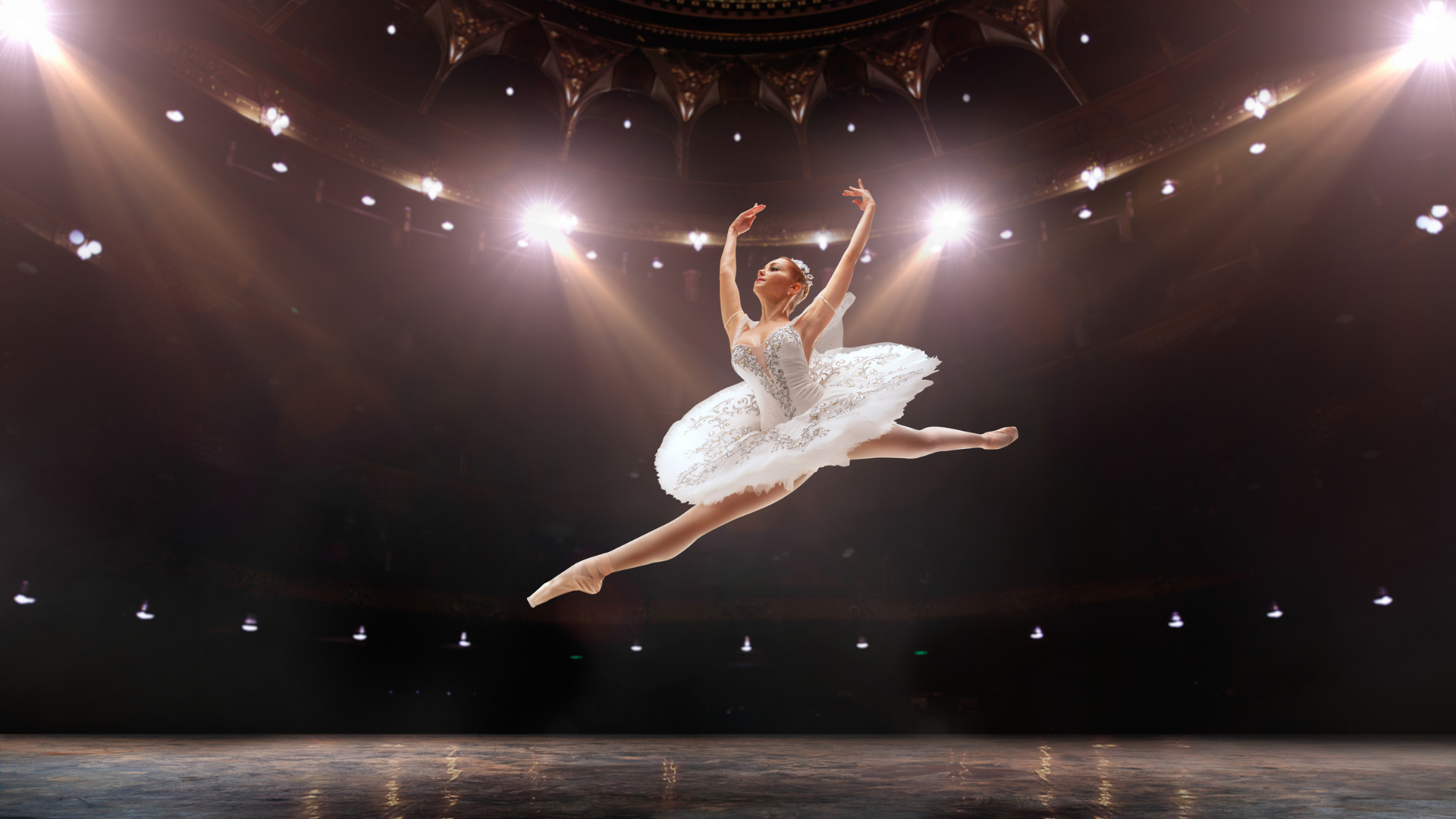
His music connects deeply because he knew how to infuse every measure with real human passion.
How He Built Heavy Emotion
Tchaikovsky did not just write pleasant melodies. He built emotional rollercoasters using three core musical elements:
- Sweeping melodies: He wrote long, expressive musical lines that do not repeat right away. His tunes stretch out and build tension, like someone telling an intense personal story.
- Smart instrument choices: He paired specific instruments with specific feelings. Soft flutes and oboes sound lonely and distant, while sudden blasts from brass and timpani drums feel like panic or victory.
- Big volume shifts: His music drops to a quiet whisper, then explodes into a loud orchestral surge. These sudden shifts shock the listener and make the emotional high points feel earned.
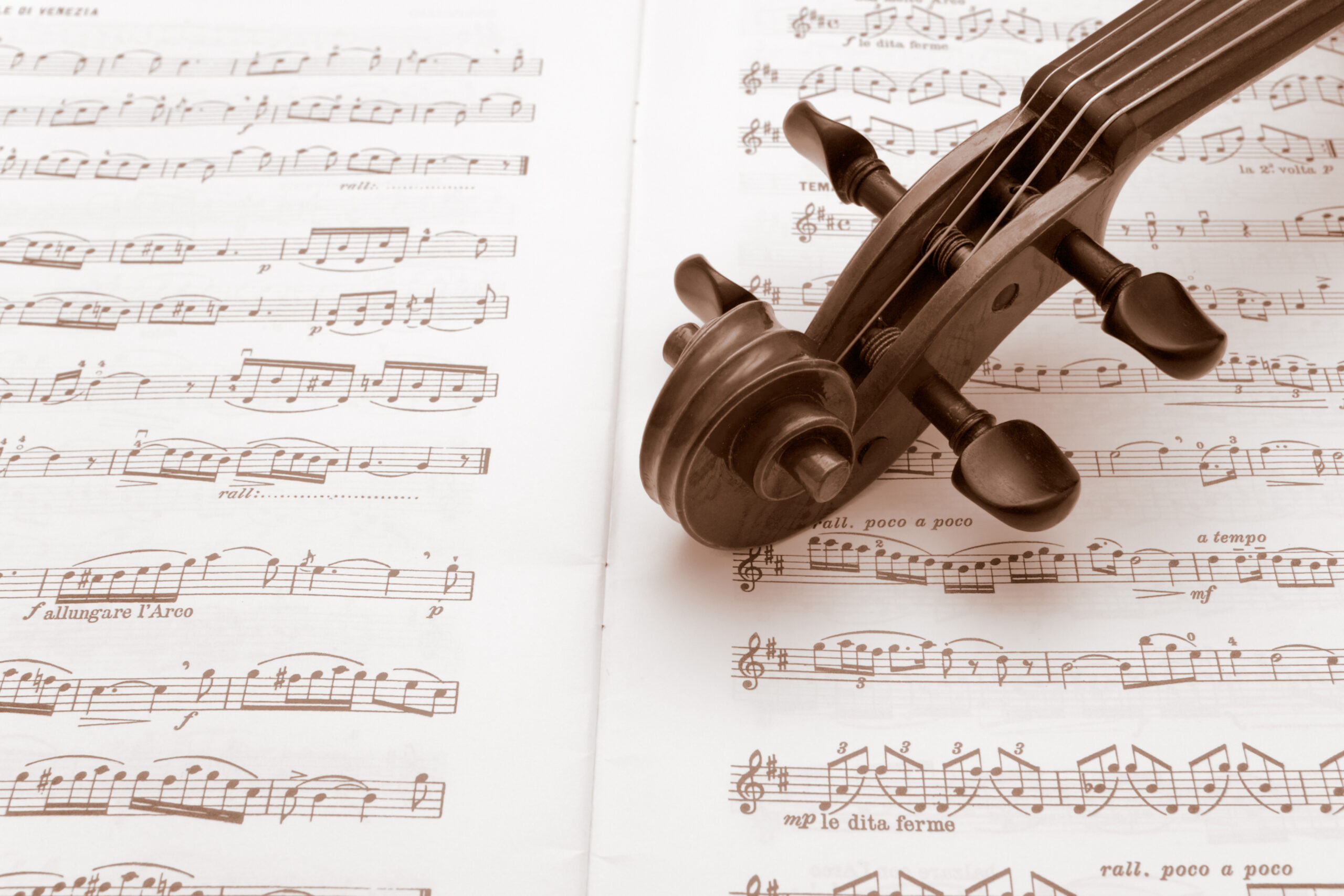
Photo by: peresanz
Anatomy of an Emotional Score
Advertisement
Tchaikovsky organized his compositions to lead the listener through a clear emotional journey. He used structure to mirror internal conflict and resolution.
Each section serves a specific purpose in building the piece:
- Intro: Sets a fragile, calm mood with soft strings or solos.
- Tension: Layer instrument after instrument to raise the energy.
- Shift: Uses sudden silence or a sharp volume jump to catch listeners off guard.
- Climax: Unleashes the full force of the orchestra at maximum volume.
- Ending: Brings the piece back down, leaving a lasting impression.
The Human Factor
His compositions take the listener on a complete emotional arc over ten, twenty, or forty minutes. That focus on constant movement and vulnerability keeps his classical catalog alive.
Software and tools change how artists record noise, but tech cannot replace raw human honesty. Tchaikovsky wrote from a place of deep personal struggle, and that truth carries through every note. His massive scores prove that genuine feeling never goes out of style.
 Read Exclusive Stories
 Bookmark & Save Articles For Later