For a long time, robots have not been very smart. They do the exact same choreography over and over, following strict lines of code. If something changes on the factory floor, they stop and wait for a human to fix it.
That is finally changing.
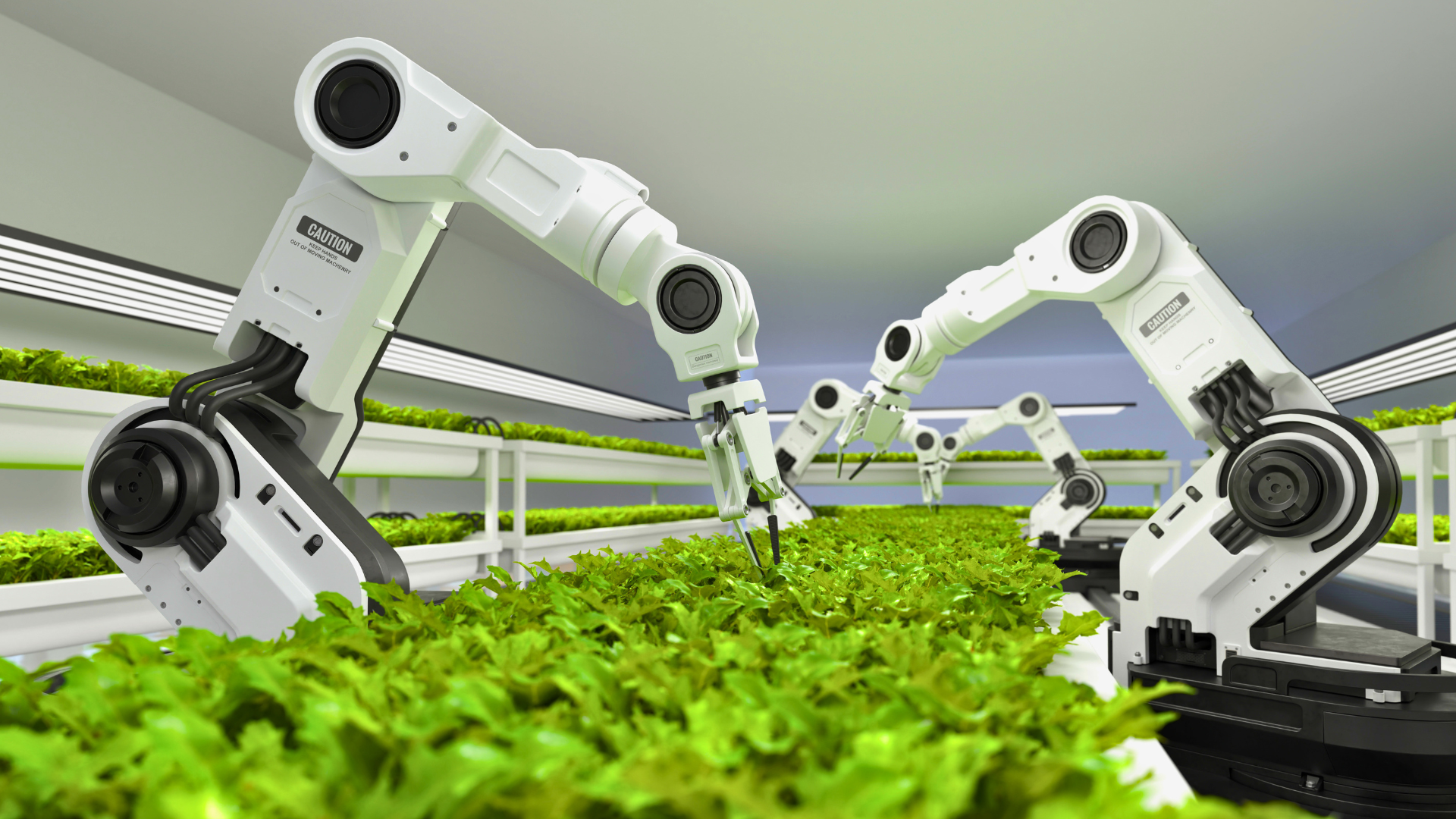
GlobalData just put out a report on “Physical AI,” and it points to a massive shift in how we build machines. Instead of just processing data on a screen, these systems can observe the physical world, determine what is happening, and make decisions on their own.
This isn’t just one single technology. It’s a mix of machine learning, internet-connected sensors, and advanced vision models. Together, they create a continuous loop. The robot perceives its environment, reasons about what to do next, learns from the interaction, and takes action.
William Rojas works as a research director at GlobalData. He says we are moving away from machines that blindly follow instructions. These new systems actually learn through physical experience. They figure out how much force to use and how to move their joints, which changes how they control themselves over time.
Commercial Use of AI
Commercial use started taking off this year across a bunch of industries. You will see these systems in manufacturing plants, hospitals, mines, and energy grids. And things are going to speed up even faster starting next year. Hardware costs are dropping, and the software is getting a lot smarter.
Advertisement
Right now, a few countries are dominating the race. Japan, South Korea, Taiwan, Singapore, and the United States are pouring money into research and real-world deployment. Japan alone has invested 10 trillion yen, about $63 billion, in advanced robotics and AI.
Countries are coordinating massive funding between local and national governments.
Meanwhile, Nvidia just teamed up with ten different robotics companies to build out hardware and software ecosystems.
Rojas points out that Asia-Pacific is leading the pack. Countries like Japan and South Korea have decades of experience building precision robots. With massive government backing, they treat this tech as critical national infrastructure rather than a fun science project.
Of course, the law is lagging way behind. There is no specific rulebook for physical AI yet. Instead, makers have to deal with a messy patchwork of old laws. Machinery regulations, product safety rules, and standard corporate liability laws all apply simultaneously.
Nilesh Raghoo, an analyst at GlobalData, notes that regulations vary wildly depending on where you live. Right now, governments are just trying to stitch old frameworks together to cover these embodied machines.
The tech is ready, and the money is flowing. But as robots start walking around our warehouses and hospitals, figuring out who is responsible when something goes wrong is going to be a massive headache.
 Read Exclusive Stories
 Bookmark & Save Articles For Later