Long before costume shops took over empty storefronts every October, Halloween outfits served a very real purpose. They were not made for fun. They were built for survival.
Blending In with Monsters
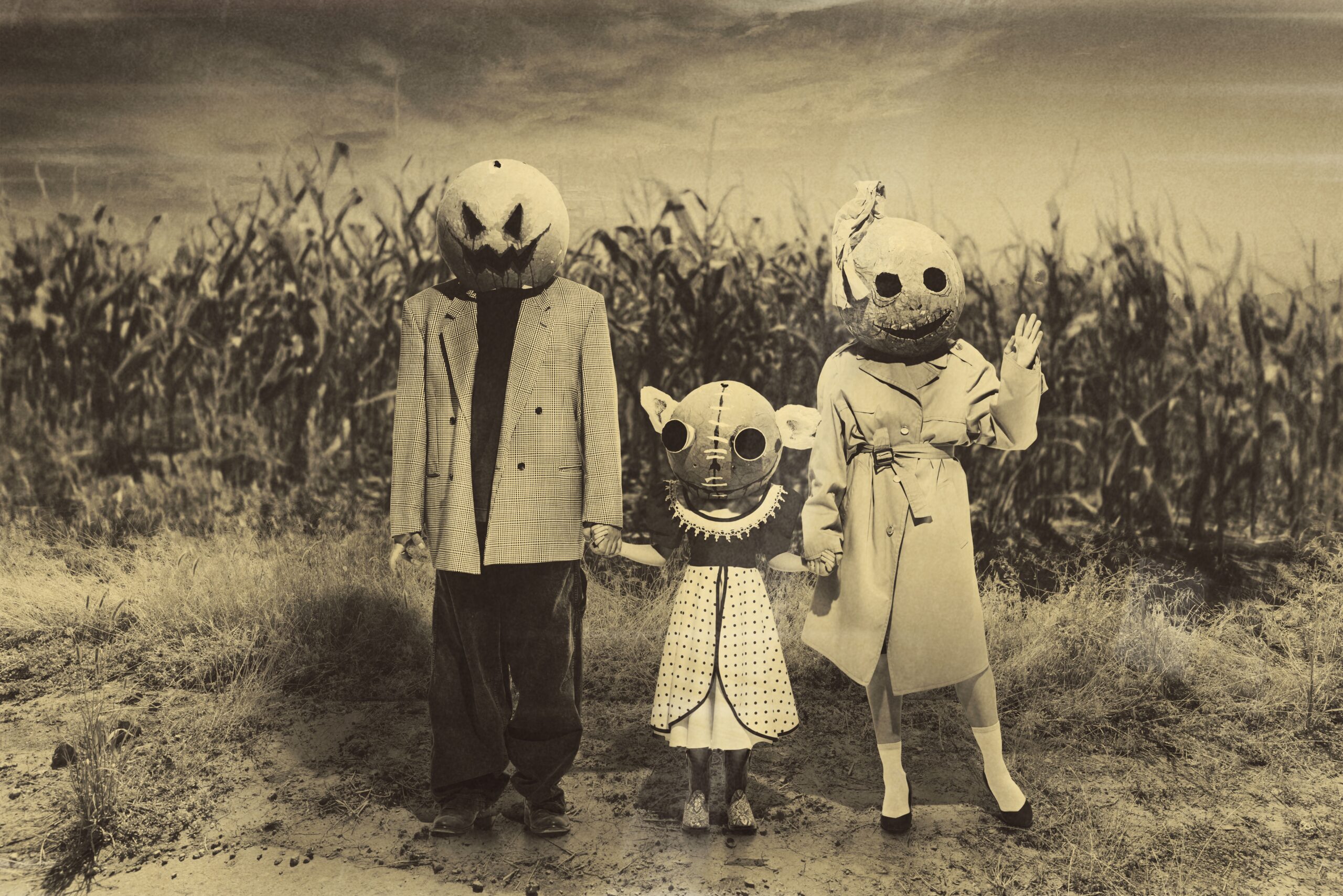
Over 2,000 years ago, Celtic tribes in ancient Europe celebrated Samhain. They believed the barrier between the living and the dead thinned on October 31. Ghostly spirits supposedly walked the streets.
People wanted to step outside without getting snatched by a demon. So, they found inspiration in nature. They covered themselves in animal hides, skull bones, and ash. If you ran into a ghost, the goal was simple. You wanted the ghost to think you were one of them and walk away.
Early DIY Disguises
By the Middle Ages, the tradition changed into “guising” and “souling” across Scotland and Ireland. Children and poor adults put together basic disguises using old rags, hand-stitched sacks, and soot. They walked door to door, offering songs or prayers for food.
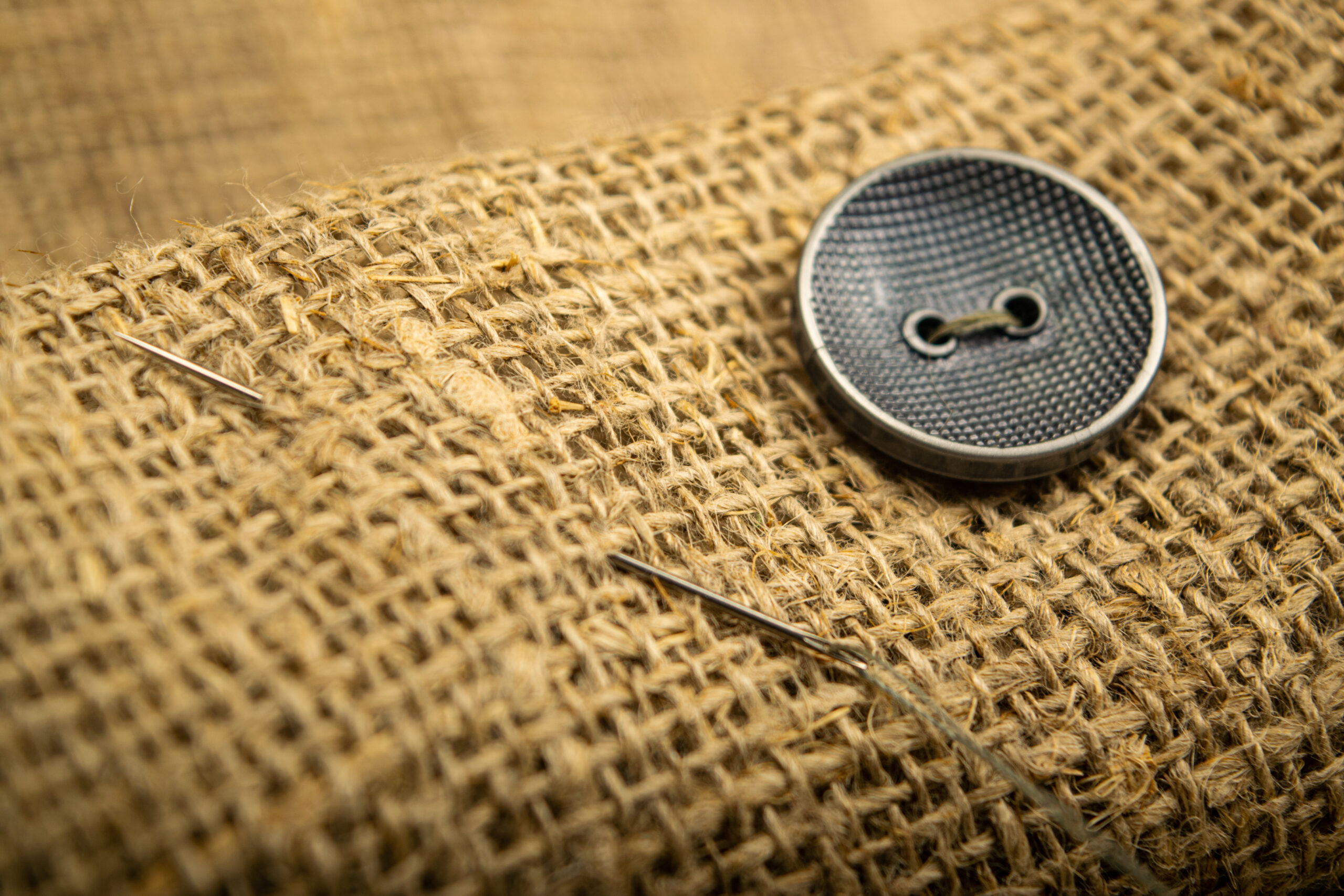
When Irish immigrants moved to North America in the 1800s, they brought these habits along. Early American Halloween costumes were entirely homemade. People crafted eerie masks using paper-mâché, beeswax, burlap, and paint. Since there were no factories making outfits, every single piece was a custom creation.
Advertisement
Mass-Produced Plastic
Everything shifted in the 1930s. A company named Ben Cooper saw a business opportunity. Cities wanted to stop destructive Halloween pranks during the Great Depression. Organized trick-or-treating became popular.
Instead of heavy paper masks, manufacturers innovated with new materials. They used cheap, vacuum-formed plastic and synthetic fabrics. They also started licensing popular pop culture characters. Suddenly, kids could dress up as Mickey Mouse, classic movie monsters, or space heroes instead of just ghosts.

The Future of What We Wear
Halloween clothing relies on modern industrial scale. Factories produce millions of outfits every year. But production is changing again, thanks to modern technology.
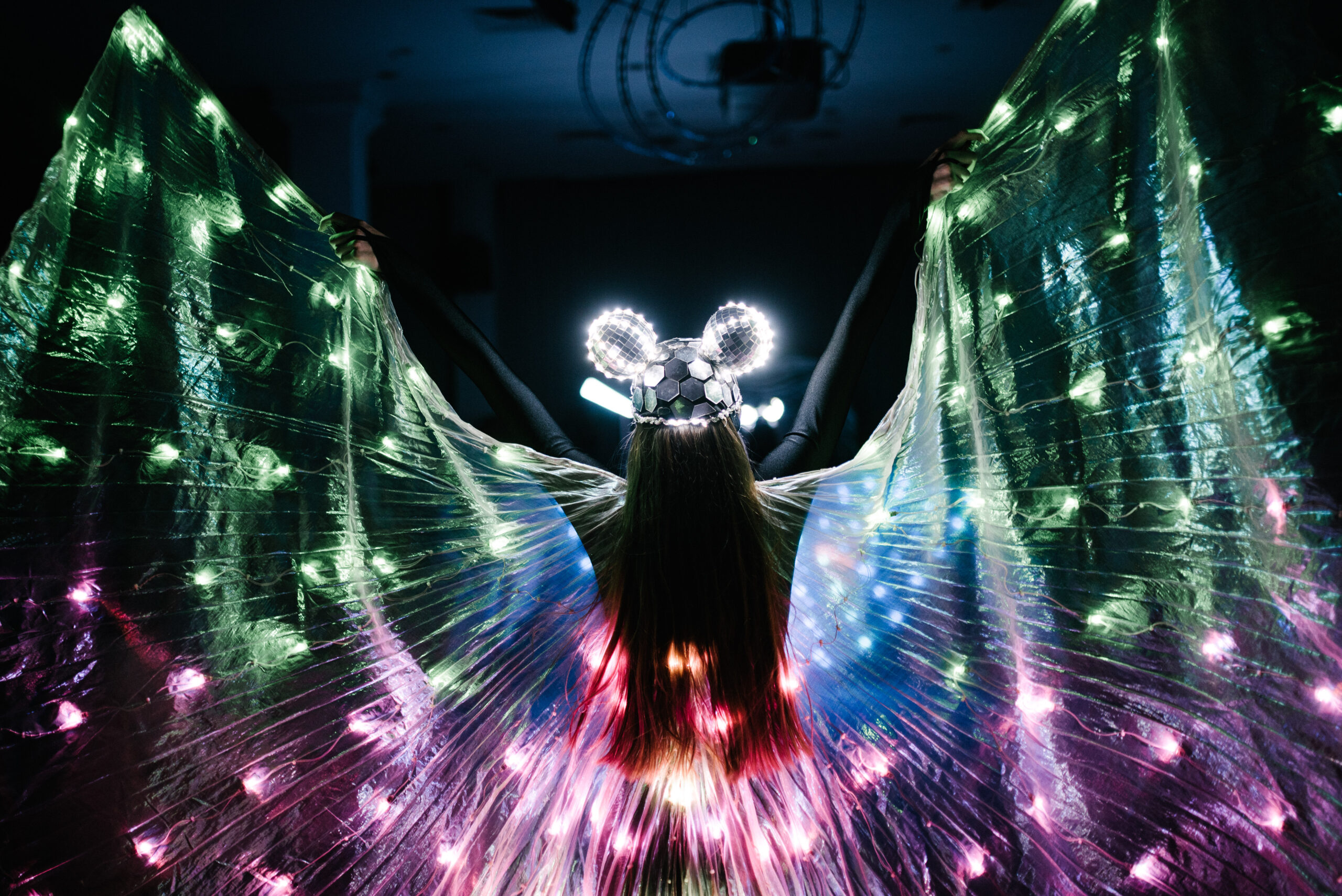
3D printing lets makers craft movie-accurate armor at home using digital files. Advanced textile recycling helps reduce the waste from cheap, single-use costumes. Designers even use smart LEDs and micro-controllers to make outfits light up or respond to motion.
What started as a handful of animal skins to scare away spirits evolved into a multi-billion-dollar industry. It shows how human creativity takes an ancient idea, applies new tools, and rebuilds it for tomorrow’s world.
 Read Exclusive Stories
 Bookmark & Save Articles For Later