Head north into California, and you will find that the land is slowly baking. Lassen Volcanic National Park is in the southern part of the Cascade Range. On the road, it appears peaceful; however, magma is still heating the groundwater underneath.
This park is actually a geological rarity. It is one of the only places on the planet where you can see all four major types of volcanoes in one single spot.
Four Different Volcano Types
Usually, a volcanic area has only one type of mountain. Lassen has all of them. You can find a shield volcano, a composite volcano, a cinder cone, and a plug dome here.
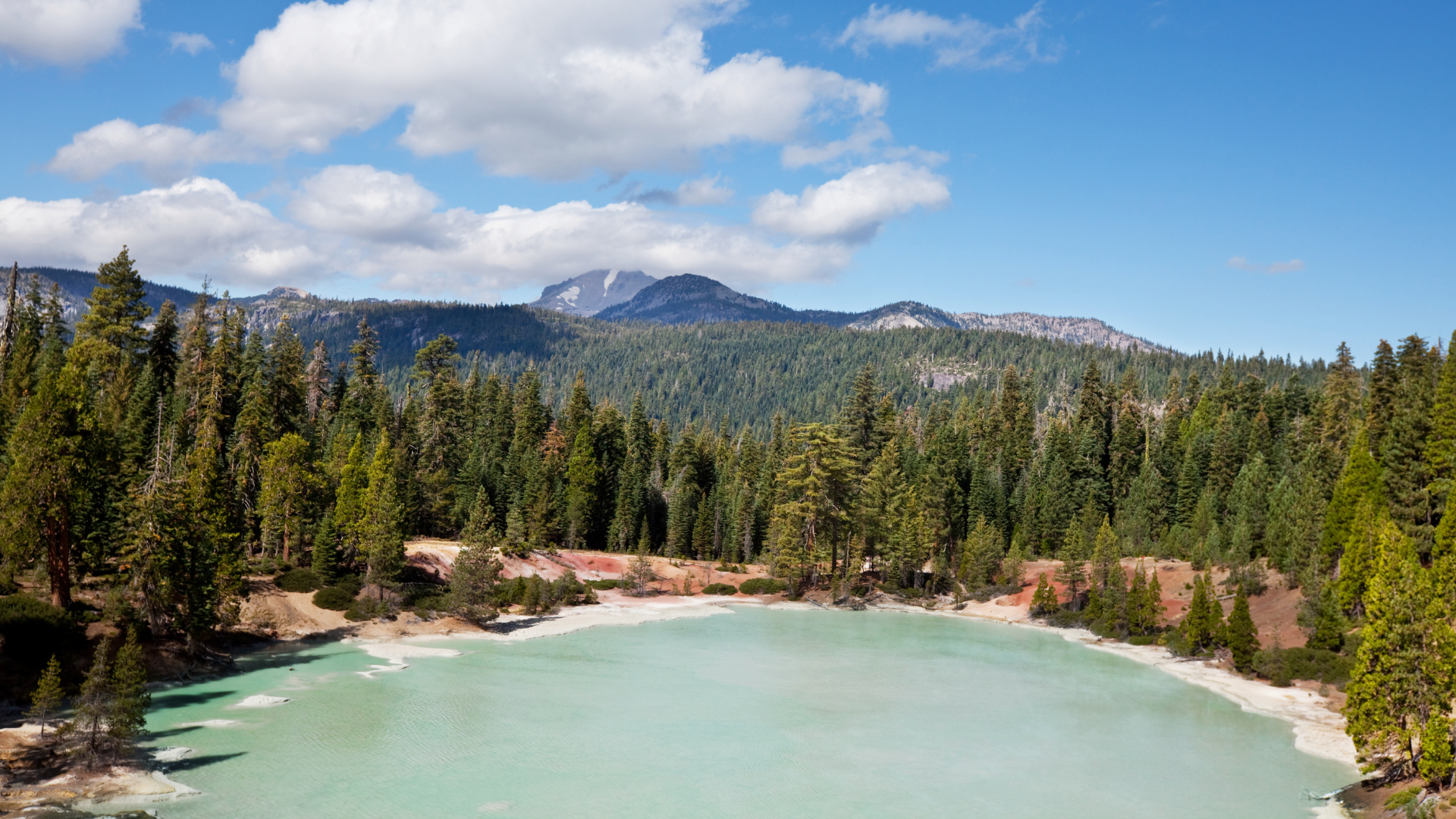
Lassen Peak is the most famous. It is a massive plug dome volcano. And it is not ancient history. It actually blew its top back in 1915. That eruption sent a massive cloud of ash miles into the sky. It triggered huge mudslides that completely buried the forests below. Today, you can still see the Devastated Area where the trees were flattened. But you also see new pine trees pushing right up through the old volcanic rock. It proves that extreme heat and ash cannot stop the forest from coming back.
Walking Past Boiling Mud
Because the magma is still active deep underground, the park has a massive hydrothermal system. The ground is literally boiling.
Advertisement
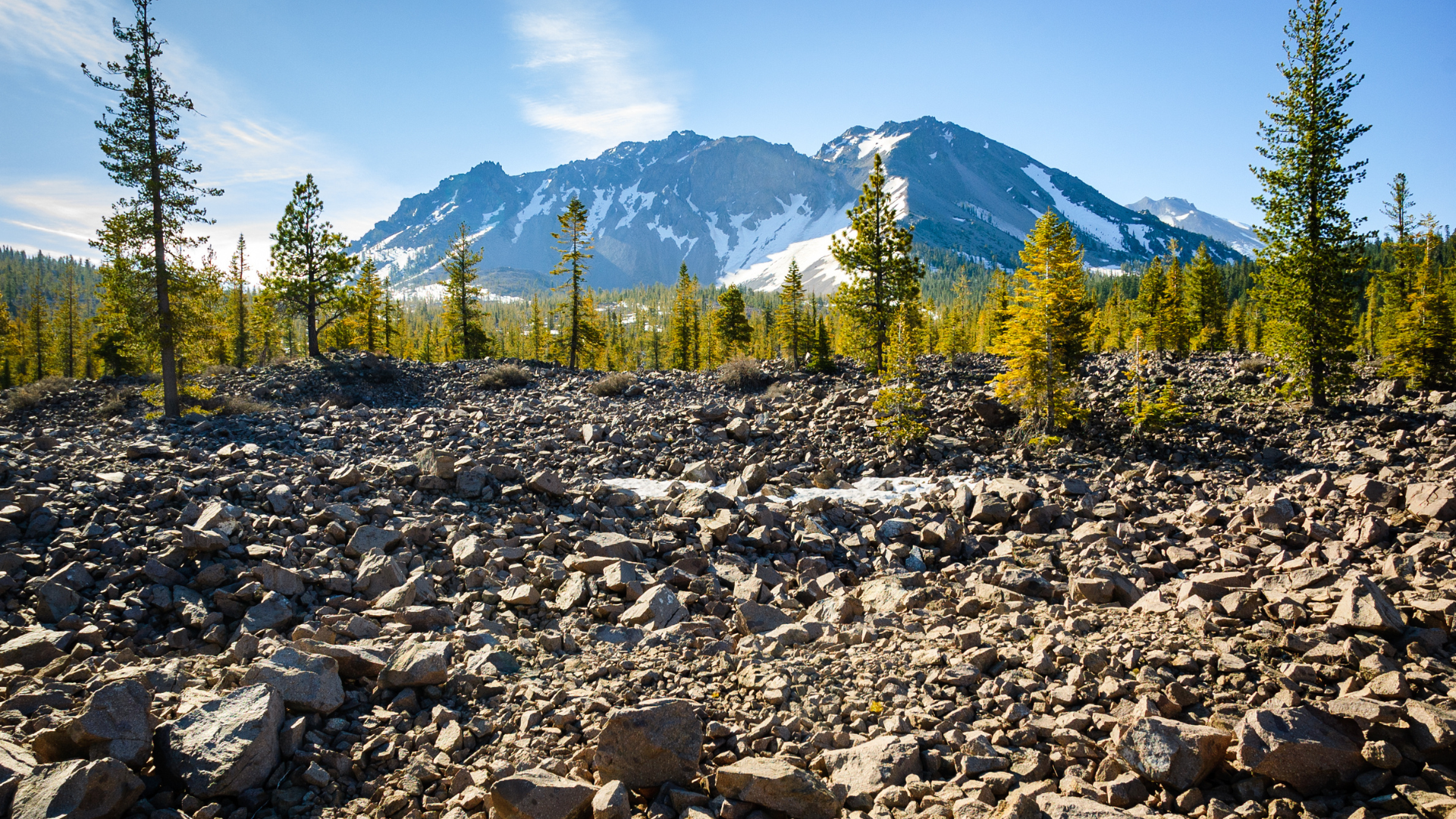
The largest area is called Bumpass Hell. You walk on a raised wooden boardwalk to stay safe, because the ground itself is unstable and highly acidic. Right off the path, you see pools of grey mud constantly bubbling and popping. Cracks in the earth called fumaroles shoot hot steam straight into the air. The whole area smells strongly of rotten eggs because of sulfur gas leaking from the rock.
It gives you a very clear picture of what is happening under the crust. The volcano is just sleeping, and the heat has to escape somewhere.
High Alpine Lakes
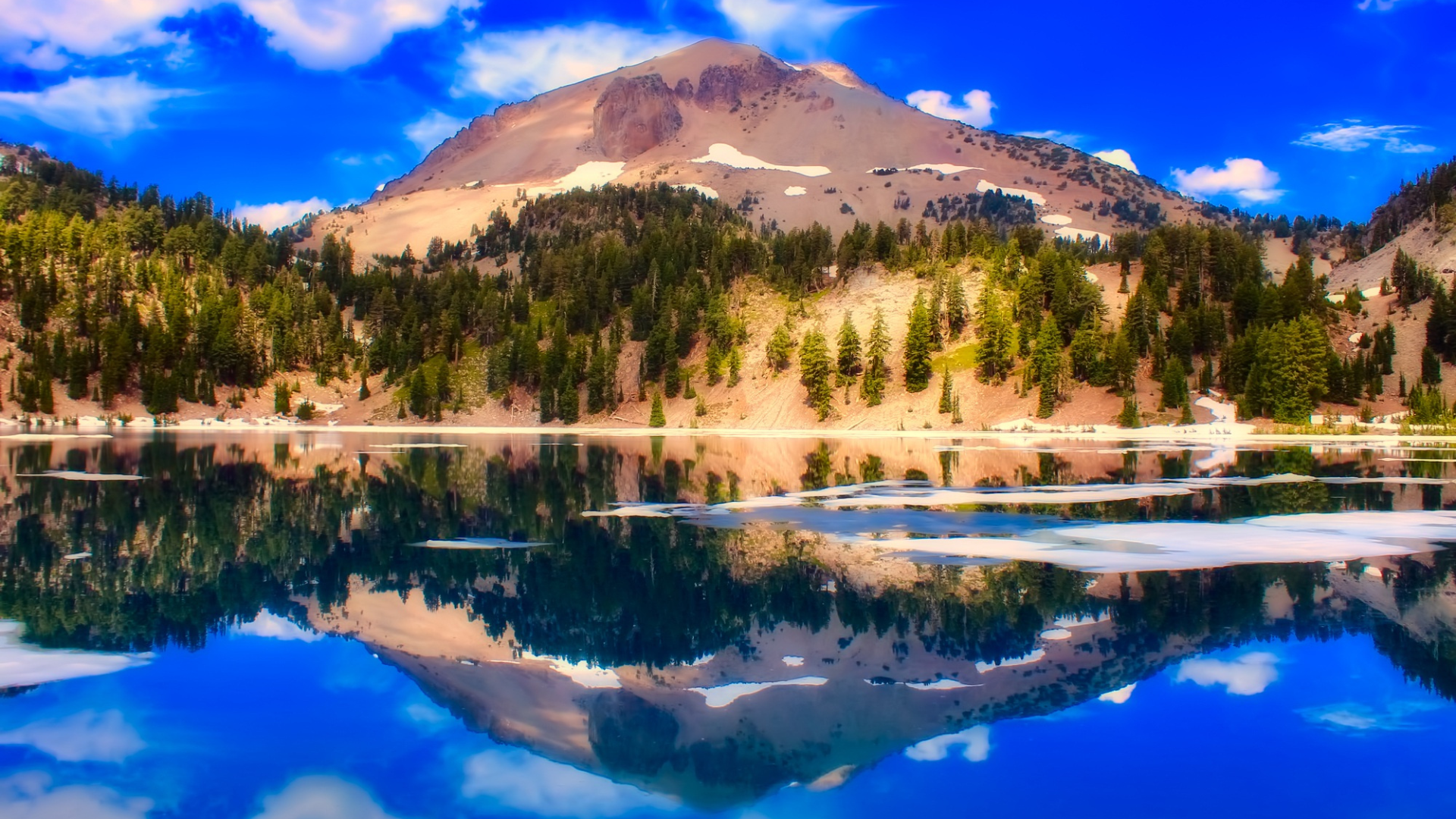
But it’s not all fire and mud. The high elevation means the park gets completely buried in snow every winter. When that snow melts, it fills up deep, clear alpine lakes.
So you end up with a really strange contrast. You can stand next to a freezing cold mountain lake that is sitting right in the shadow of an active volcano. It shows exactly how extreme temperatures and massive geological pressure shape the land we actually walk on.
 Read Exclusive Stories
 Bookmark & Save Articles For Later