The border between Argentina and Brazil is home to one of the loudest places on Earth. You will hear the noise long before you actually see the water.
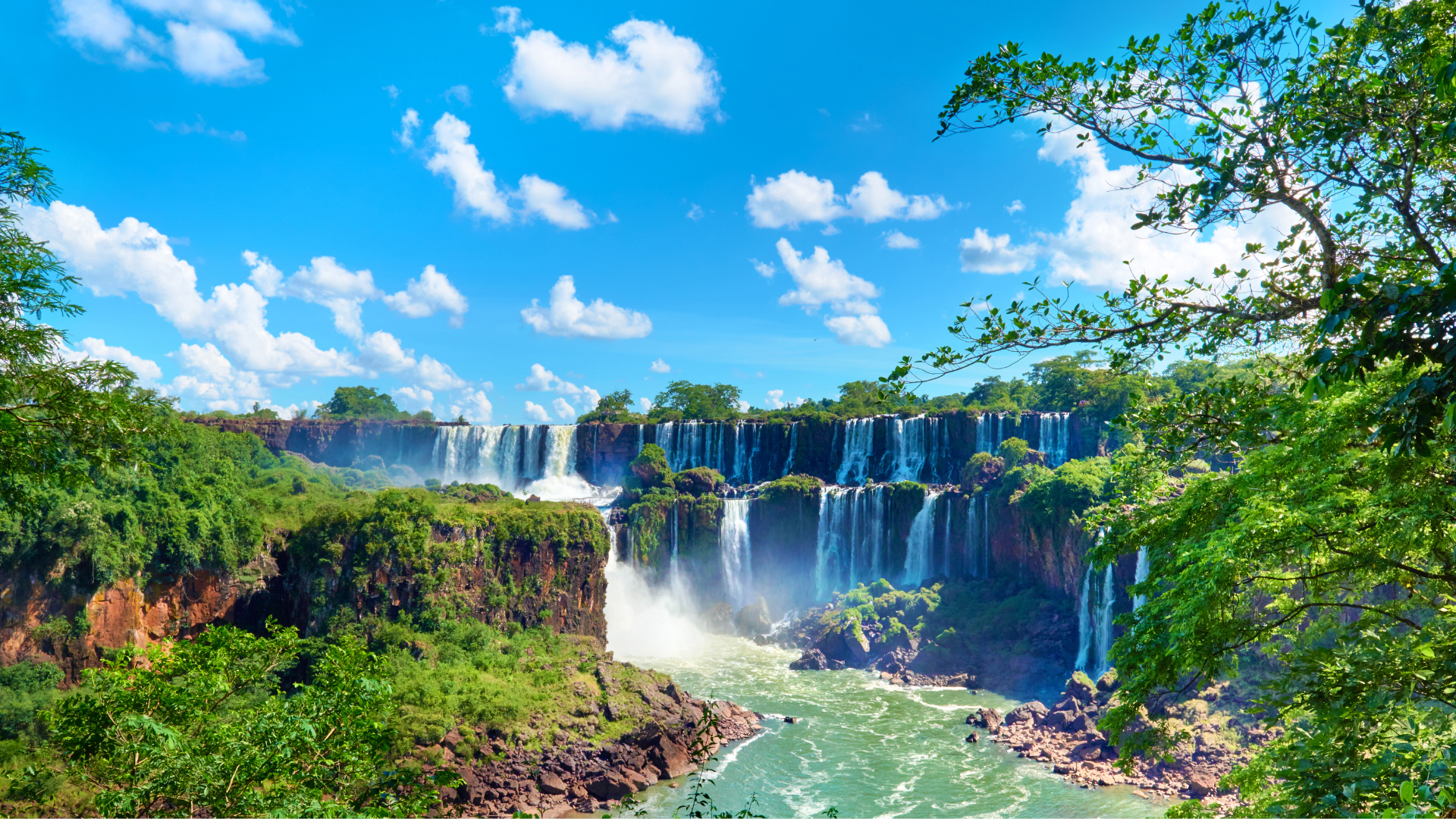
Iguazú Falls isn’t just one big drop. It is a massive network of 275 individual waterfalls smashed together in the middle of a dense rainforest. The scale is hard to wrap your head around. The water stretches out for nearly two miles, completely cutting the landscape in half.
A Crack In The Earth
Here’s the thing about this place. It wasn’t slowly carved out over millions of years by a trickling stream. It actually started with a violent volcanic eruption.
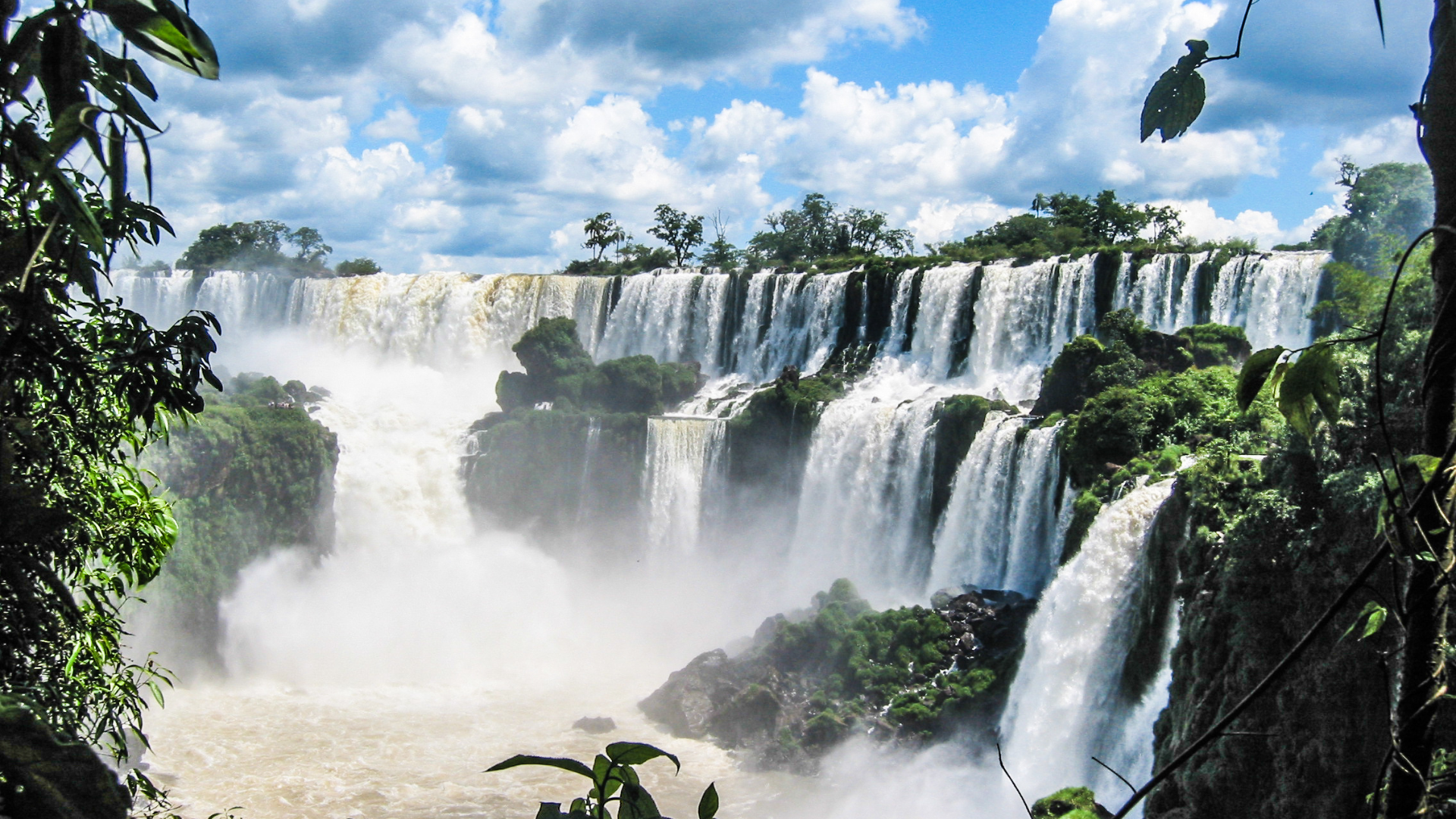
A massive crack opened up in the Earth’s surface. Now, the Iguazú River flows along a flat, calm plateau until it suddenly hits this massive fault line. The water just runs out of the room and drops. About half of the river dumps straight into a narrow, U-shaped cliff called the Devil’s Throat. The water falls with so much force that it creates a permanent cloud of heavy mist. You can get totally soaked just standing on the viewing platforms a mile away.
Constant Motion And Mist
Advertisement
The environment around the falls is chaotic. The constant spray creates a strange microclimate where the air is always thick and humid.
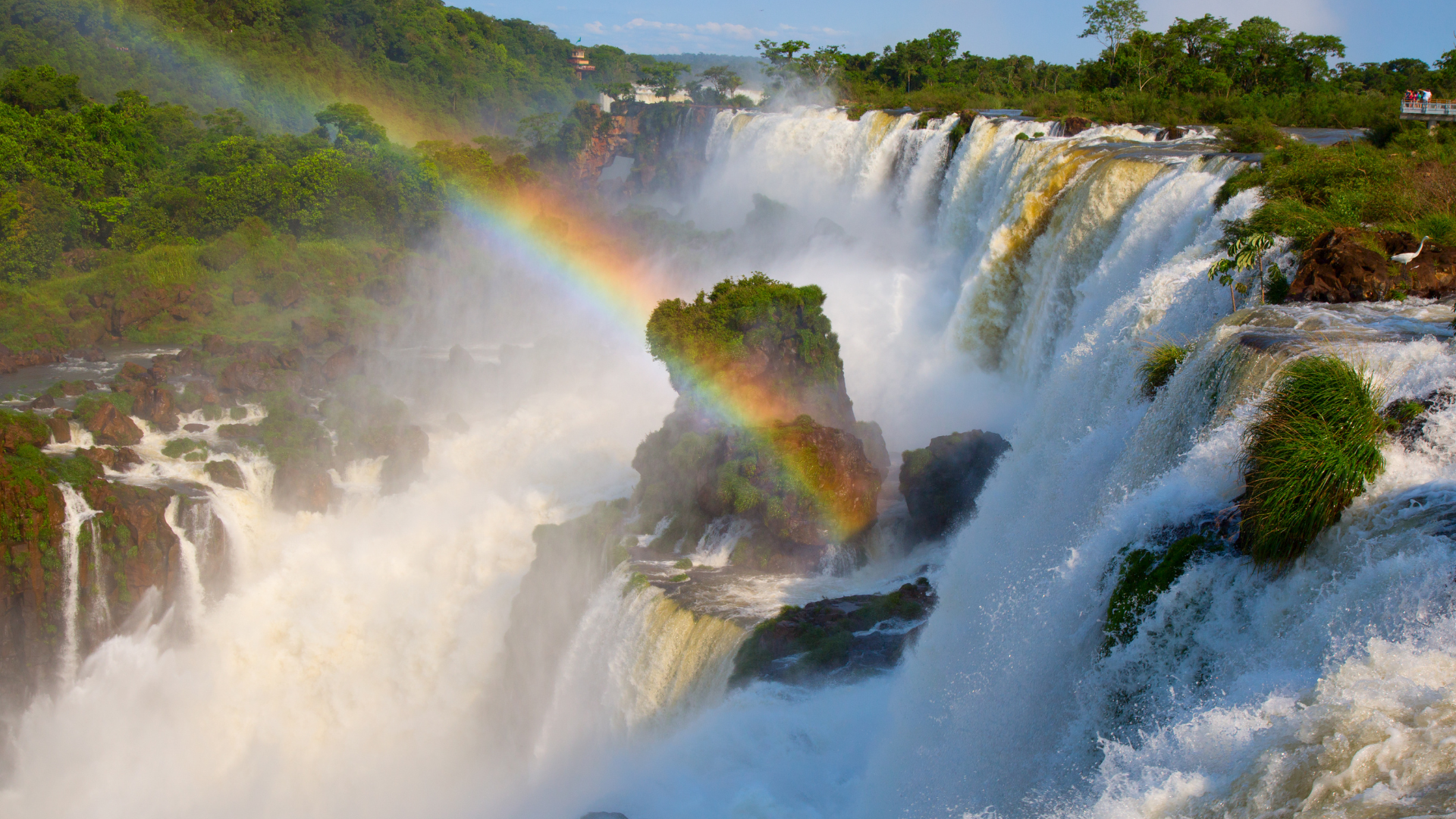
But that constant moisture is exactly why the jungle around it is so dense. Bamboo, palm trees, and thick vines grow right up to the edge of the cliffs. Toucans and parrots fly through the mist. It’s wet, loud, and everything is constantly moving. Because there is so much water hanging in the air, you see massive rainbows pretty much everywhere you look.
Walking Over The Water
You can actually get right in the middle of the action. Both countries built metal walkways that stretch directly over the river.
You can walk right up to the edge of the Devil’s Throat and look straight down into the crashing water. It is honestly a little scary. The noise is completely deafening, and the walkways shake under your feet. But it gives you a clear picture of exactly how much water is moving through this system every single second. It’s just a raw display of gravity and geology doing what they do best.
 Read Exclusive Stories
 Bookmark & Save Articles For Later