Hip fractures are tough on older adults, and determining who is at risk of breaking a hip usually requires an in-person doctor visit to check weight and lifestyle. Researchers in Sweden may have found an alternative
The team, led by Kristian Axelsson and Mattias Lorentzon from the University of Gothenburg, built a tool called FRACTURE-ML. They examined data from over 3.5 million people in Sweden aged 50 and up. Over ten years, 142,327 of those people broke a hip. The team trained their system using data like past diagnoses and medications to spot risks early.
“The findings show that it is possible to predict hip fracture risk at the population level without direct patient interaction,” lead author Kristian Axelsson said. “This approach could help target preventive measures more efficiently and potentially reduce the number of hip fractures.”
Faster Hip Fracture Prediction
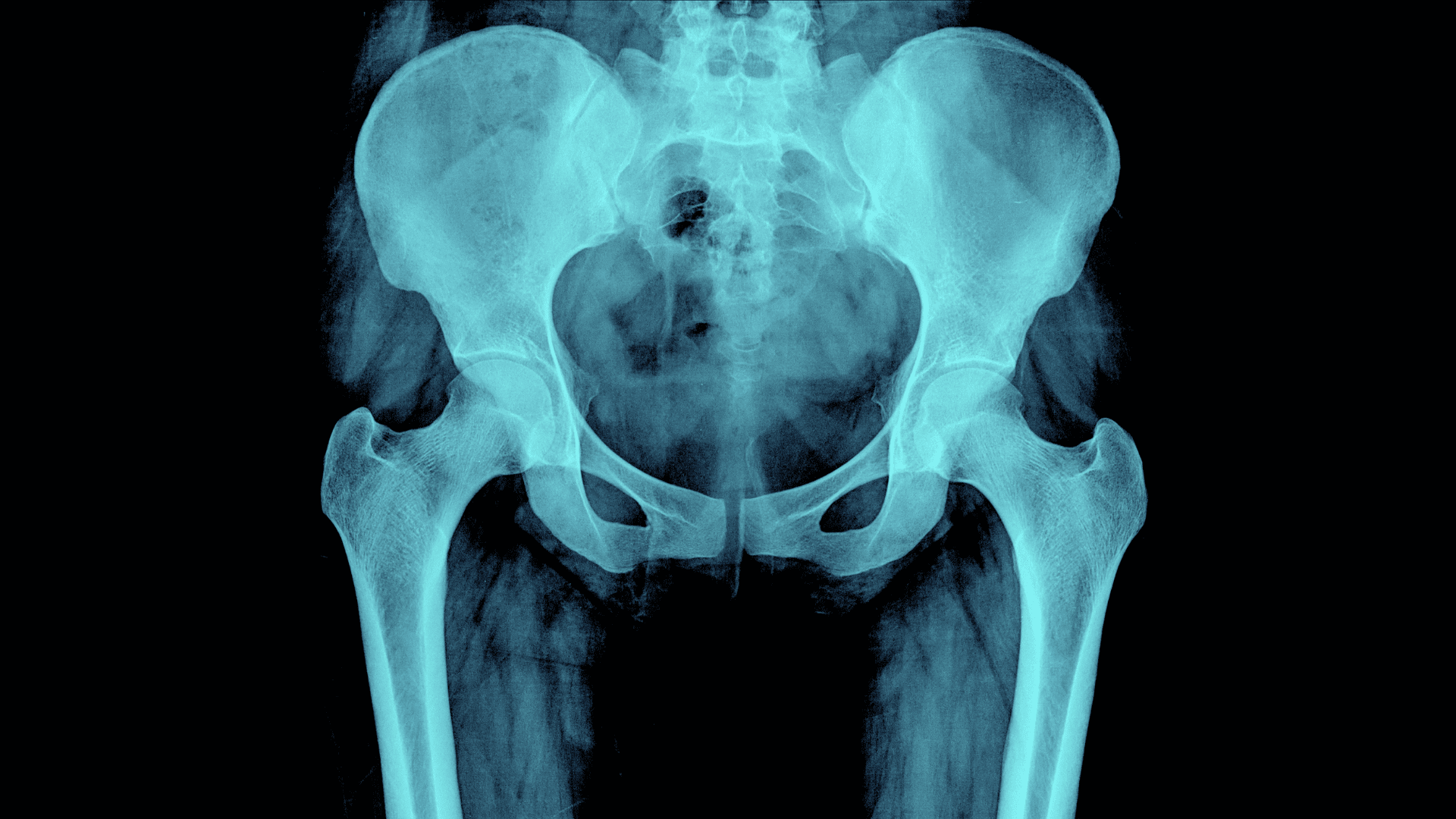
According to the researchers, the tool identified almost seven times more people at risk of a hip fracture within two years compared to standard screening methods. The only information it needed to look at was existing healthcare records.
“FRACTURE-ML accurately identified people at high risk of hip fracture using routinely collected healthcare and population data, without requiring an in-person clinical assessment,” Mattias Lorentzon added. “This could make large-scale screening more efficient and help preventive care reach people before a hip fracture occurs.”
Advertisement
The authors continued, “Hip fractures have serious consequences for independence, health and survival. A tool that can identify high-risk individuals directly from existing data could support earlier intervention and potentially reduce the burden of hip fractures across the population.”
A Simple Solution
The researchers also tested a simpler version using only 35 data points instead of thousands, and it worked nearly as well.
“One important finding was that a reduced model using only 35 predictors performed nearly as well as the much larger machine-learning model. This suggests that strong predictive performance may be achievable with a comparatively practical and interpretable tool,” Researchers added. “By using information already available in national registers, FRACTURE-ML could help shift hip-fracture care from reacting after an injury to preventing the injury in the first place.”
The one issue is that it relies entirely on databases. As a result, it misses lifestyle details like smoking or alcohol use. Further testing in other countries is also required.
“Machine learning performed very well, but carefully developed traditional statistical models achieved similar accuracy,” The authors noted. “The key advance may therefore be less about a particular algorithm and more about making better use of comprehensive, routinely collected data.”
 Read Exclusive Stories
 Bookmark & Save Articles For Later