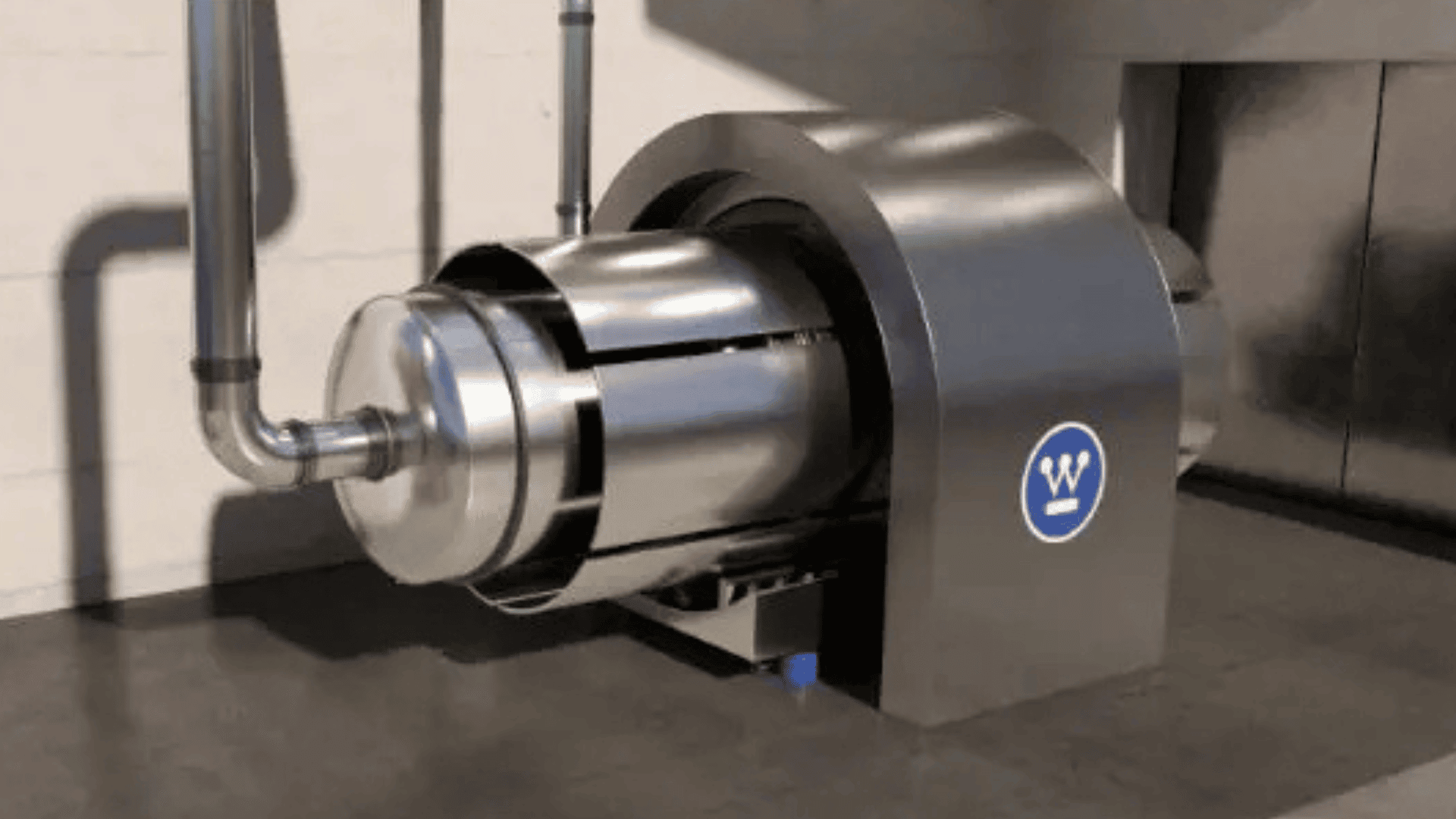
Westinghouse Electric Company finished a major test on its new eVinci microreactor.
Westinghouse calls it a zero-power criticality test. This proved that their computer models and core design assumptions work. It teamed up with experts from Los Alamos and Idaho National Laboratories. The test took place at a National Nuclear Security Administration facility at the Nevada National Security Site.
Finding out if the Microreactor Works
Westinghouse is trying to build things faster. They are mixing physical tests, computer simulations, and quick design tweaks to mature the technology. This step-by-step method cuts down on technical risks before they build the final product.
Advertisement
By testing prototypes like this, they can determine how the machine performs, how easy it is to operate, and how they will manufacture the parts. What they learn from each phase will directly guide the design of future prototypes.
“This zero-power criticality milestone reflects Westinghouse’s heritage of innovation and pushing to the next frontier of nuclear,” Dr. Lou Martinez Sancho, the Chief Technology Officer at Westinghouse, shared. “We appreciate the support and collaboration of our partners at the U.S. Department of Energy, NNSA, Los Alamos National Laboratory, Idaho National Laboratory and NNSS in achieving this important milestone.”
Powering Infrastructure in the Middle of Nowhere
The eVinci microreactor has a compact, simple design based on decades of past work. It uses advanced heat pipe technology, TRISO fuel, control drum components, and graphite core materials.
This small reactor is built to survive in remote, tough spots. The goal is to provide a steady supply of resilient electricity 24 hours a day, 7 days a week. It can run for eight years straight before anyone needs to refuel it.
 Read Exclusive Stories
 Bookmark & Save Articles For Later