Heavy machinery is receiving a thorough update down below ground level. At LKAB’s Malmberget mine, 1,250 meters (4,100 feet) underground, 120-ton battery-electric trucks are now transporting actual iron ore. According to the team, these are the largest and heaviest battery-electric underground mining trucks in the world.
Actual operators are driving these huge vehicles every day as part of normal production, transporting real tons.
Electric Mining
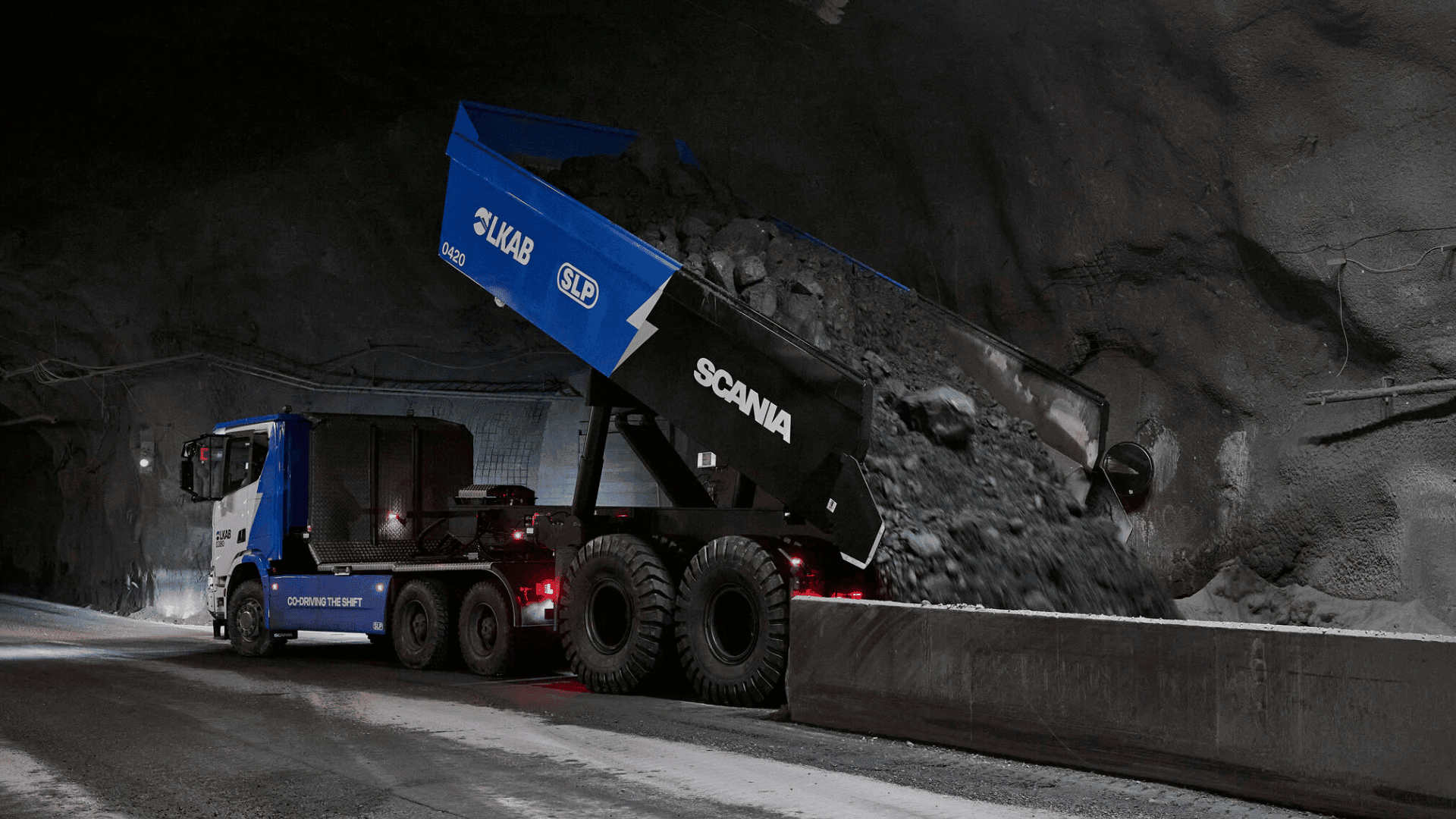
When the plant was being commissioned, the trucks had already moved over 100,000 tons of iron ore on about 1,500 round trips.
The initial performance figures show the capabilities of these machines when carrying out their tasks. One charge provides about 7 hours of operating time, enabling the truck to make around 45 round trips and carry approximately 3,200 tons of material. When it is time to plug in, a 375 kW charger will charge the battery from 0 to 100% in about 80 minutes.
Advertisement
LKAB is aware that introducing new equipment into a mine is a time-consuming and patient process. The company has stated, “Just as is the case with any new technology, we do not expect progress to be straightforward and will learn as we proceed!”
Moving Beyond Diesel
The following stage increases the workload even more, with one of the new 8×4 battery-electric trucks being readied for continuous operation, with the aim of completely replacing a diesel equivalent in production duties.
Getting this system to function in the mine requires cooperation among the teams responsible for vehicle development, batteries, charging systems, infrastructure, mine operations, maintenance, automation, and the crew who operate the equipment.
As LKAB stated, “Building a battery-electric truck weighing 120 tons is one thing; making it productive, reliable, safe, and available shift after shift, some 1,250 meters (4,100 feet) underground is the real challenge.”
LKAB added, “We are not merely substituting a diesel engine with a battery. We are instead considering how heavy underground haulage might function, and that is only the beginning.”
 Read Exclusive Stories
 Bookmark & Save Articles For Later