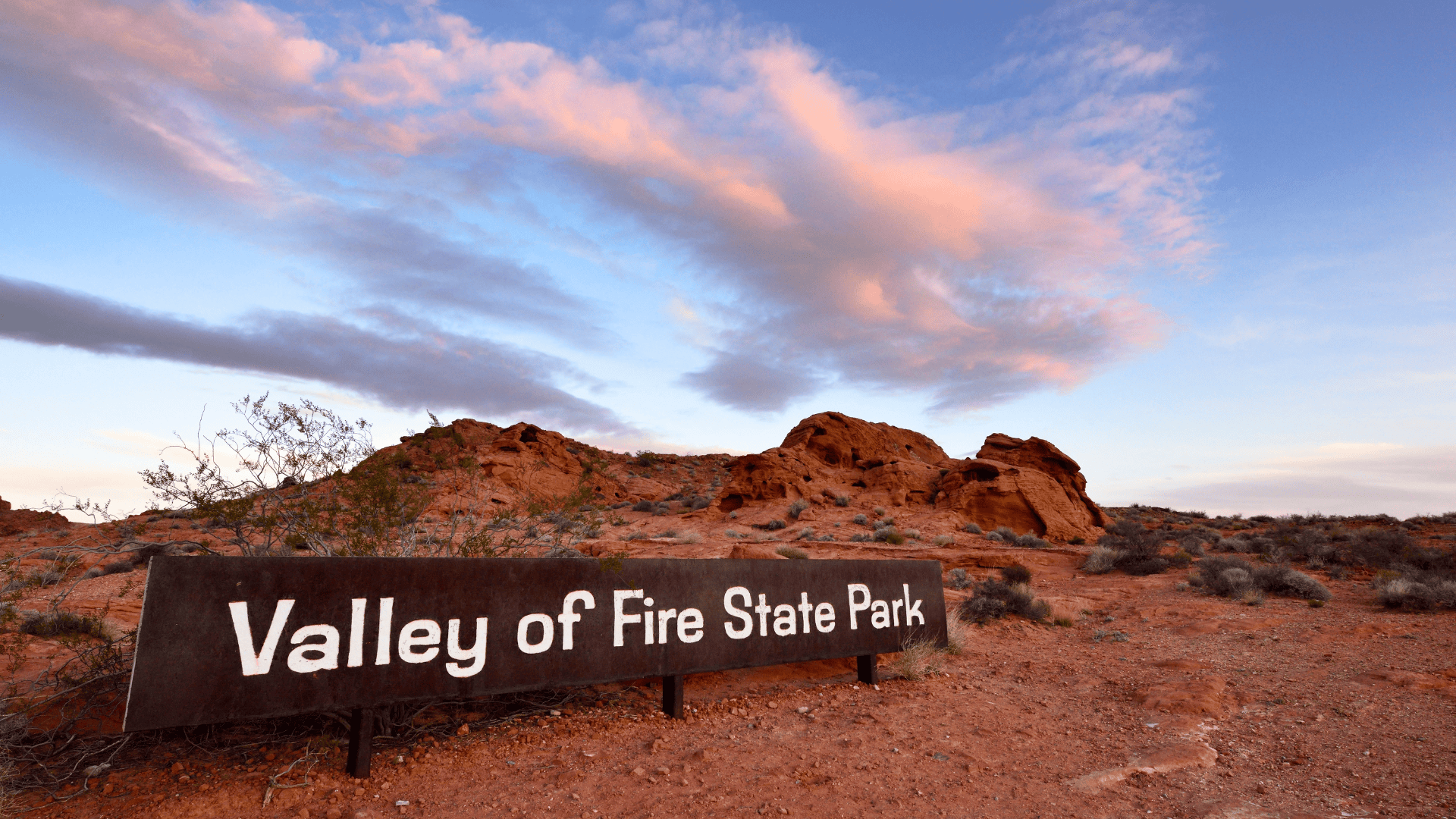
Drive an hour northeast of Las Vegas, and the desert changes to bright red colors. The area contains numerous rock formations that seem out of place in this flat desert.
This is Valley of Fire State Park. The name of this park fits its location, as the sandstone appears to be on fire when the sun shines on the rocks at the right angle, especially during sunrise or sunset. The color of the sandstone comes from the ancient sand that rusted over time in the area.
Leftover Giant Sand Dunes
The rocks within Valley of Fire State Park are made of Aztec Sandstone. The formation of these sandstone rocks requires imagining the region of Nevada 150 million years ago.
During the Jurassic period, this entire area was covered in a massive desert filled with giant dunes. Over millions of years, the wind moved those sands until they formed massive layers, and the weight of those sands pressed against the underlying rocks. The minerals in the sand bonded with the sand particles to form solid rock.
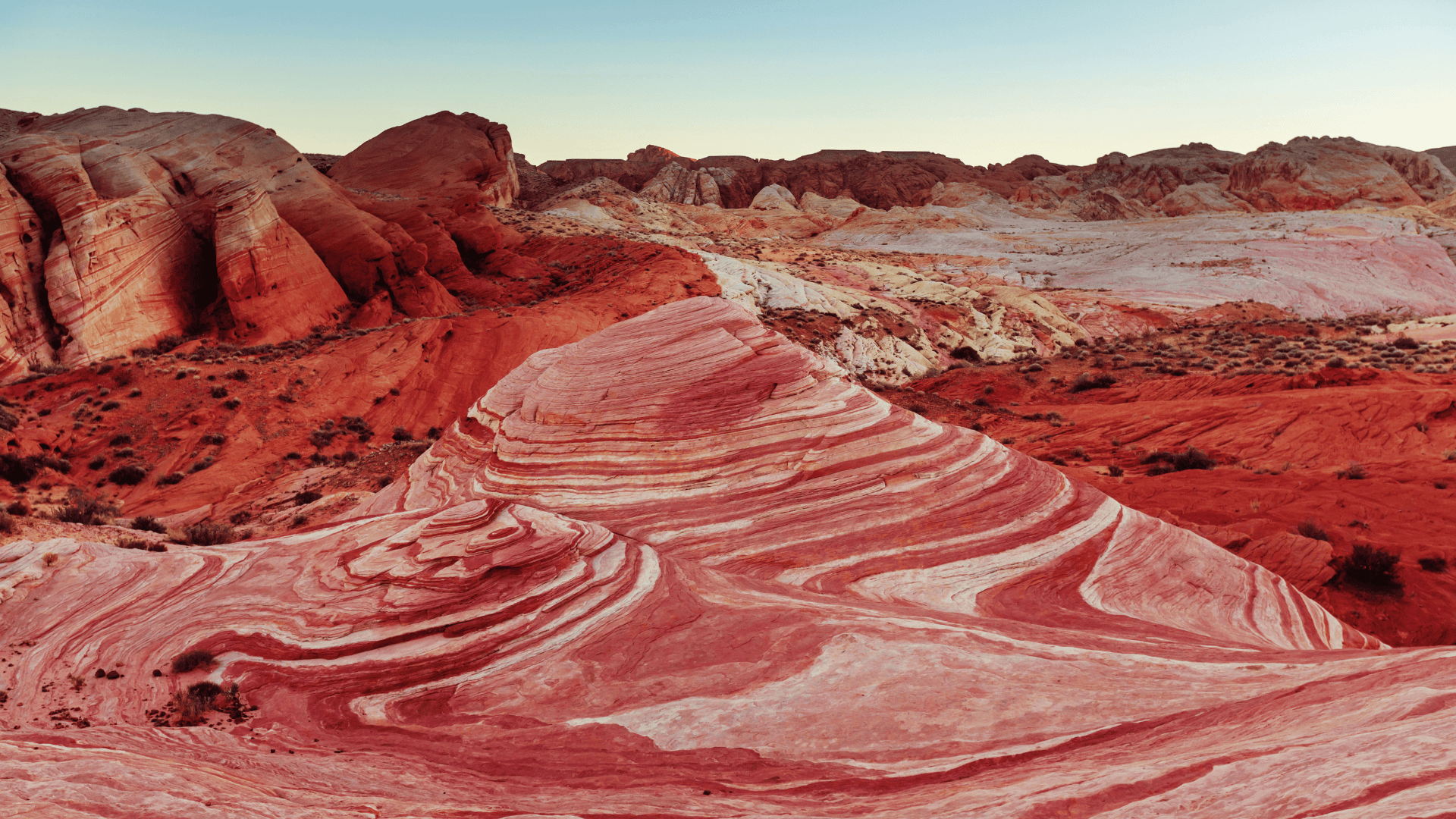
The cliffs still bear the etched lines of long-ago dunes.
A Desert Made of Rust
The reason the rock appears to be so incredibly red is due to a singular substance within it – rust.
Advertisement
The sandstone contained a lot of iron when it formed. Over time, the groundwater exposed the iron to oxygen. This chemical reaction causes the sandstone to rust, just like an old truck sitting in a field.
The rust stains the land. In some areas, the iron wears away, and the sandstone becomes white. This creates striking red-and-white sandstone stripes side by side.
Carving Holes in the Rock
The Mojave Desert is harsh on these rocks. The sandstone is fairly soft. The wind and rain quickly wear away the sandstone over time.
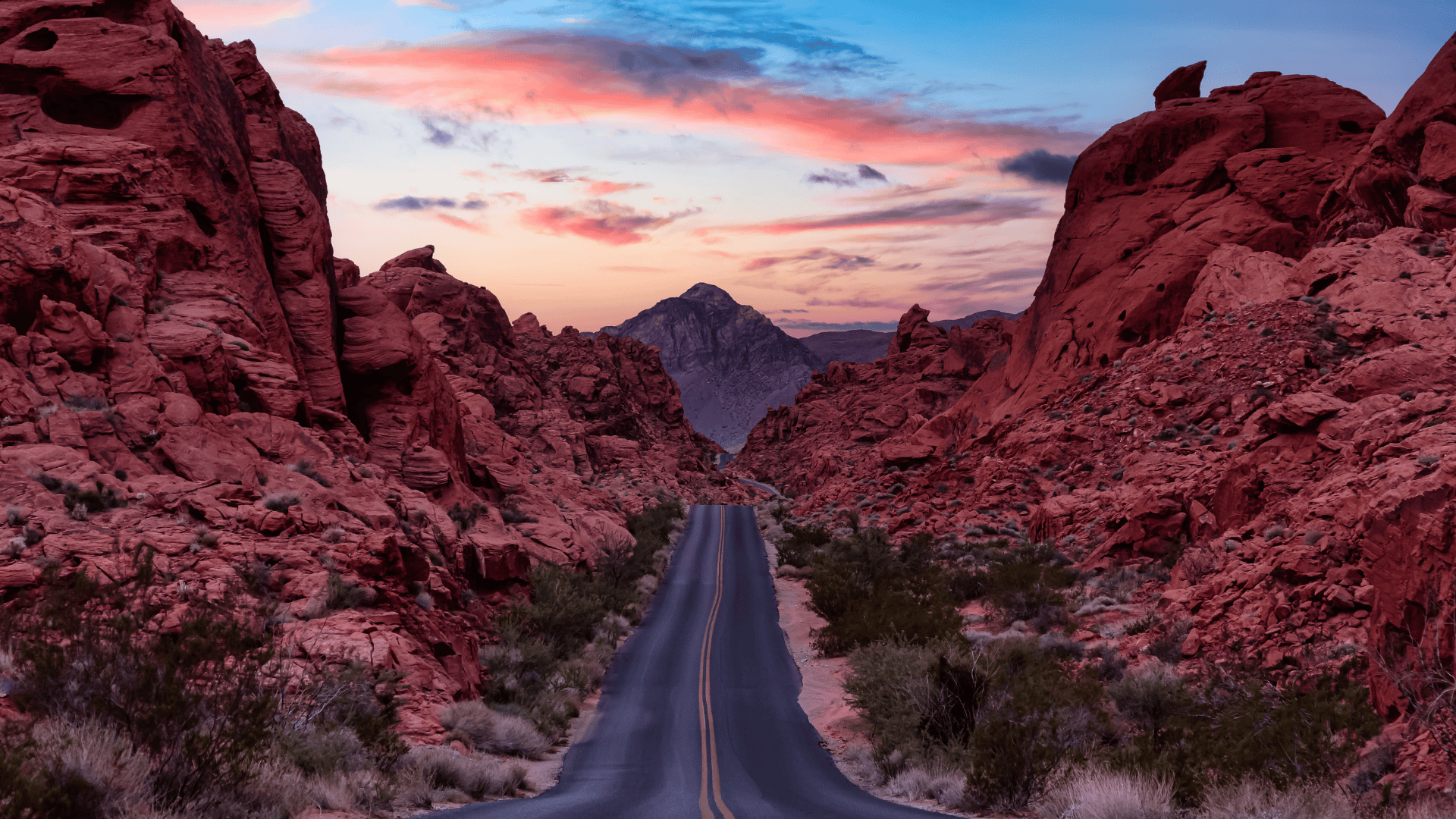
The water dissolves the sandstone minerals. The wind then takes the sand grains away. Some areas of sandstone are harder than others. The weather wears these areas down, creating natural arches, balancing rocks, and caverns in the sandstone that resemble Swiss cheese.
These sandstone formations are crumbling away every single day. The desert landscape is vastly different today from how it has looked over the past thousand years, and will be different from what it is today when people are long gone from the planet.
 Read Exclusive Stories
 Bookmark & Save Articles For Later