Geothermal energy produces clean power around the clock, despite the weather. However, this form of clean energy requires expensive drilling before power can even be produced. Companies often make multimillion-dollar decisions based on predictions that get less accurate the deeper they drill.
Portland State University is leading a national team to make finding geothermal energy cheaper using artificial intelligence. The project, ARISE, is supported by the U.S. Department of Energy’s Genesis Mission. PSU is partnering with Stanford Univeristy, the U.S. Geological Survey, and startup 400C Energy.
How the AI Works
Engineers are unable to measure the underground temperature without drilling, which is a recurring issue.
“You’re making a costly bet on how hot it is,” said John Lipor, Wedge Vision Associate Professor of electrical and computer engineering at PSU, who leads the project. “We use AI and years of historical data to make that bet less of a gamble.”
All together, the team combined three tools. A Stanford model estimates underground temperatures nationwide, while another converts those temperatures into potential electricity prices. PSU contributes an algorithm called ARID, which breaks the country into geologically similar zones.
That sorting step is critical. A single model trying to handle both the Nevada desert and Appalachian foothills ends up inaccurate for both. Regional models yield better answers. The system then recommends where engineers should measure next to save the most money.
Advertisement
“Deciding where to make valuable new measurements has always relied heavily on expert judgment,” said Erick Burns, a research hydrologist with the U.S. Geological Survey who has co-led the USGS geothermal machine learning team with Lipor since 2021. “What is new here is a way to test whether machine learning can improve data collection strategies while optimizing both information content and cost savings.”
Geothermal Power’s Potential
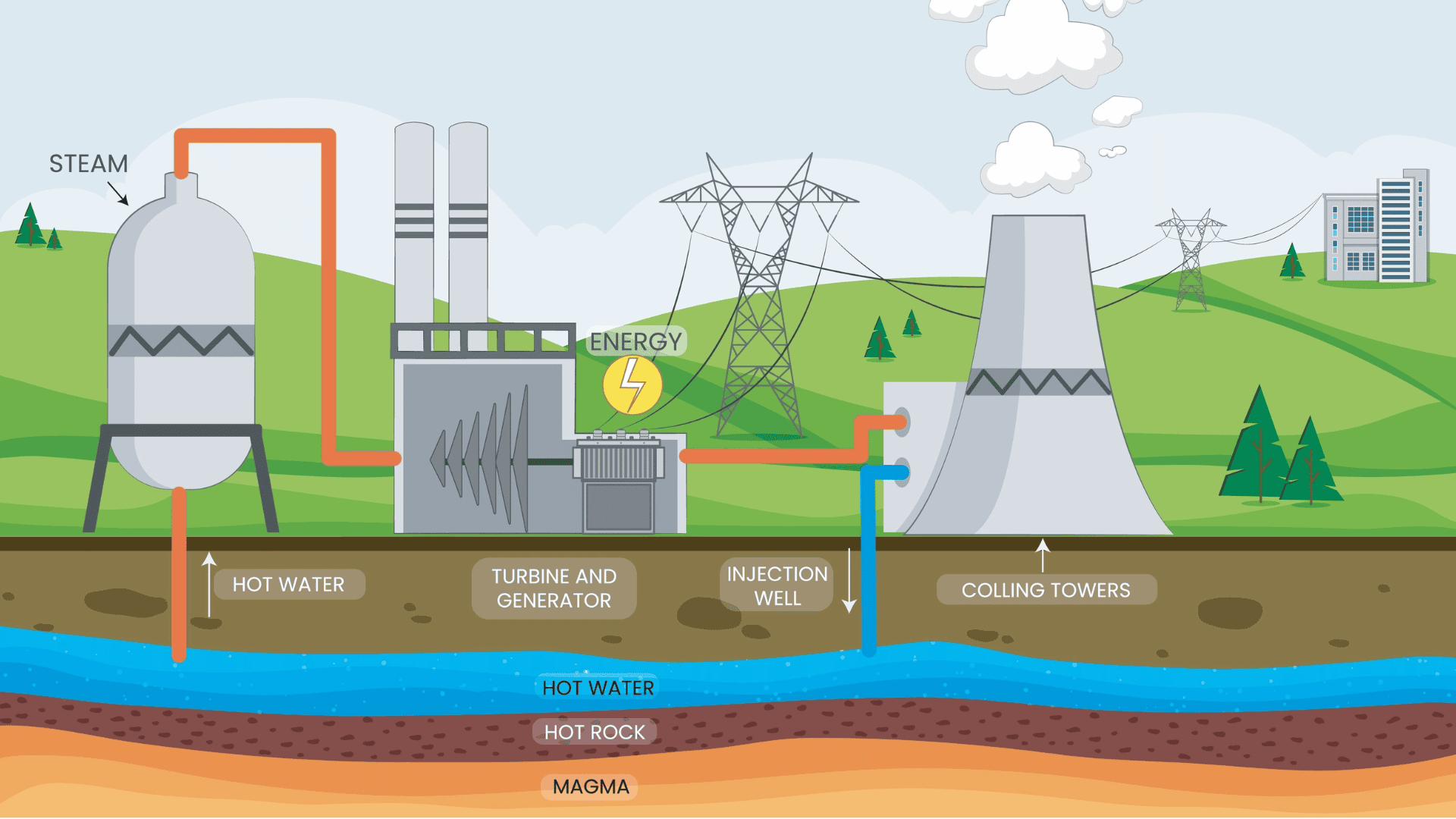
With data centers driving up power demand, grid operators need clean electricity that runs 24/7. Geothermal fits the bill, but high exploration costs hold it back.
“Geothermal has enormous potential, but the cost of finding out what is underground has held it back,” said Roland Horne, professor of energy science and engineering at Stanford University and director of the Stanford Geothermal Program. “We’re looking forward to taking the next step to making geothermal energy more widely available.”
The first phase aims to cut cost uncertainty by at least 10 percent, with plans to share models publicly.
 Read Exclusive Stories
 Bookmark & Save Articles For Later