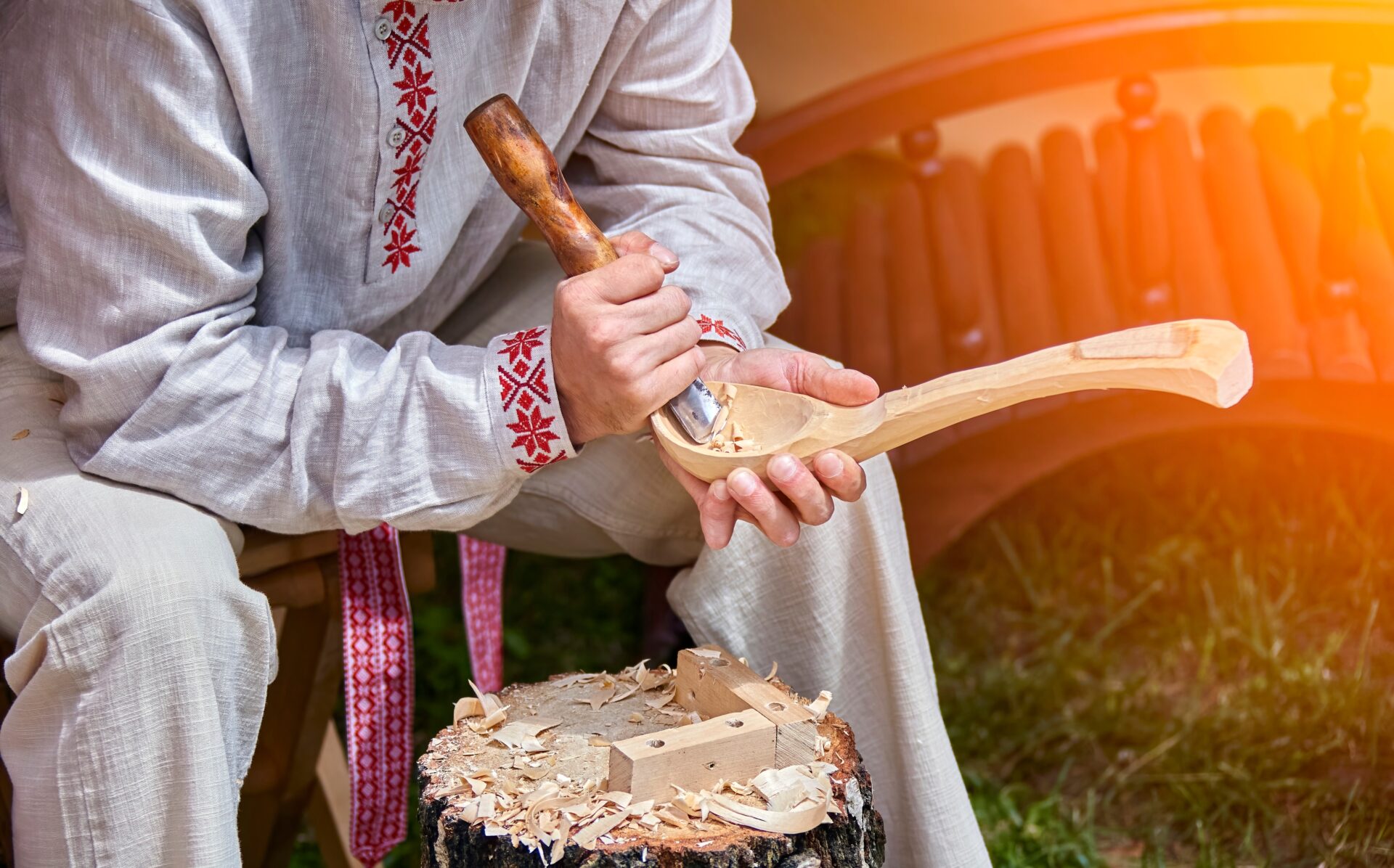
Long before factory lines produced stainless steel forks and plastic utensils, humans made eating tools using a sharp blade and a piece of wood. Spoon carving, often called treen making, might look like a simple rustic craft. But turning a raw log into a smooth, functional utensil takes a mix of artistic vision, geometry, and tree biology.
Working with Green Wood
Most modern woodworking uses dry, kiln-heated boards. Spoon carvers take a different route. They prefer green wood, which comes from freshly fallen logs that still hold moisture.
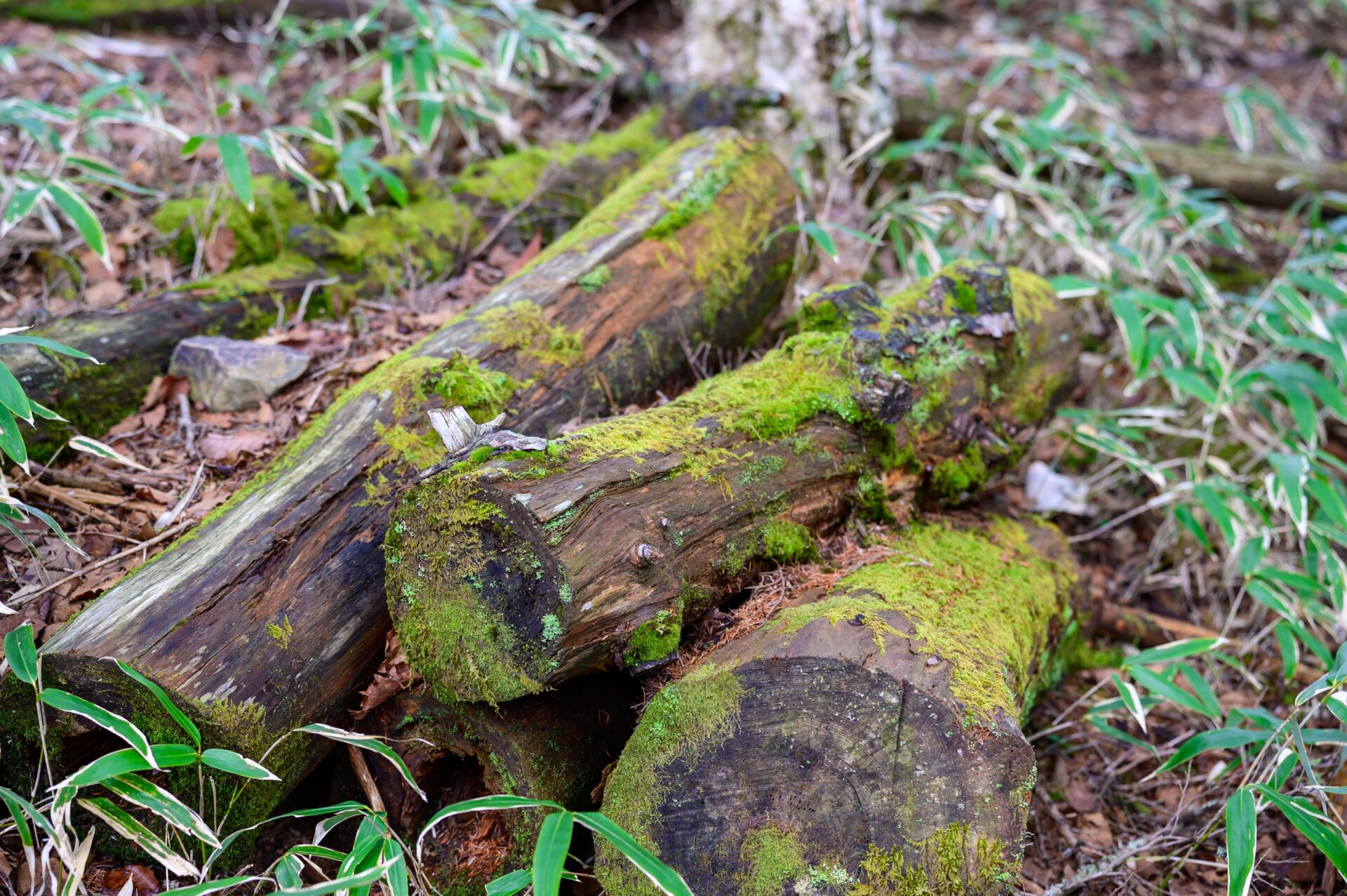
Green wood is soft and yields easily to hand tools like axes and carved hook knives. As the wet wood dries out over a few weeks, it shrinks. Carvers have to predict how the timber will shift as it loses water. That means shaping curves that account for shrinking grain so the finished bowl does not warp or crack down the middle.
Choosing the Right Tree
Different woods change the whole carving process. Soft conifers like pine or fir are easy to slice, but they taste like bitter sap and break easily along the grain. Open-pore woods like red oak have tiny microscopic tubes that trap food particles and bacteria.
Instead, carvers pick closed-grain hardwoods:
Advertisement
- Birch: The classic choice. It has a smooth, fine structure that carves cleanly when green.
- Cherry: Known for its warm color that darkens when exposed to sunlight.
- Sugar Maple: Extremely dense and durable, making it ideal for heavy kitchen stirring spoons.
Because tree grain runs in wavy lines, carvers follow the natural bends in branches to craft strong handles. Carving along the natural curve of the wood keeps the spoon sturdy without the need for extra chemical glues.
Simple Tools and Natural Finishes
Spoon carving relies on leverage rather than heavy machinery. Carvers rough out a basic shape with a small hatchet. Then they use a straight knife for the handle and a curved hook knife to scoop out the bowl.
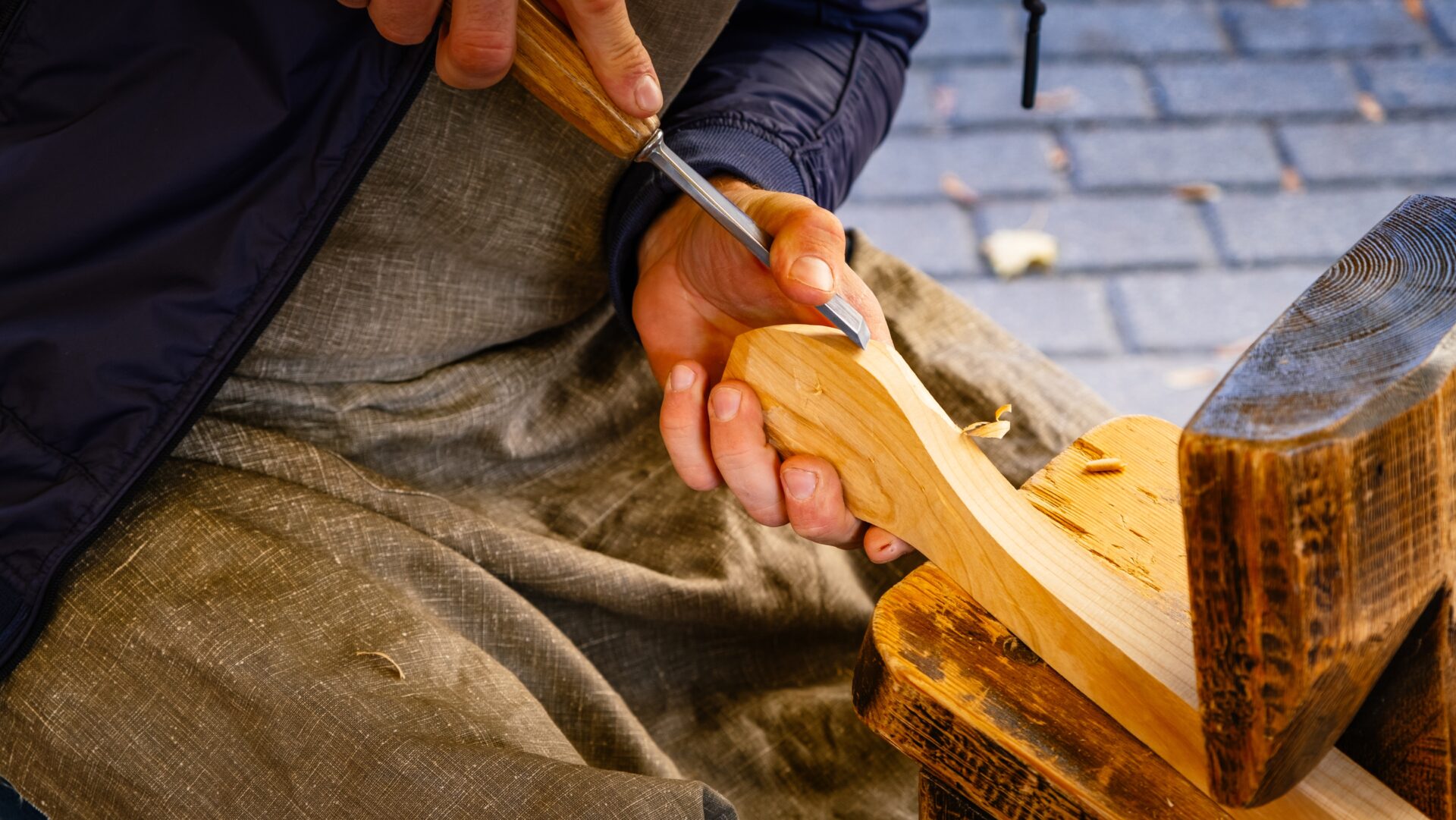
To finish the piece, makers avoid harsh chemical varnishes or synthetic sealants. They compress the wood fibers by burnishing the surface with a smooth river rock or bone. Then they seal the surface with food-safe drying oils such as raw linseed or walnut oil. These natural oils soak deep into the pores of the wood and harden as they react with oxygen.
A Timeless Craft
Spoon carving shows how creativity works best when it works alongside nature rather than against it. By understanding how living trees grow, makers take simple backyard timber and turn it into durable art you can use every day at the dinner table.
 Read Exclusive Stories
 Bookmark & Save Articles For Later