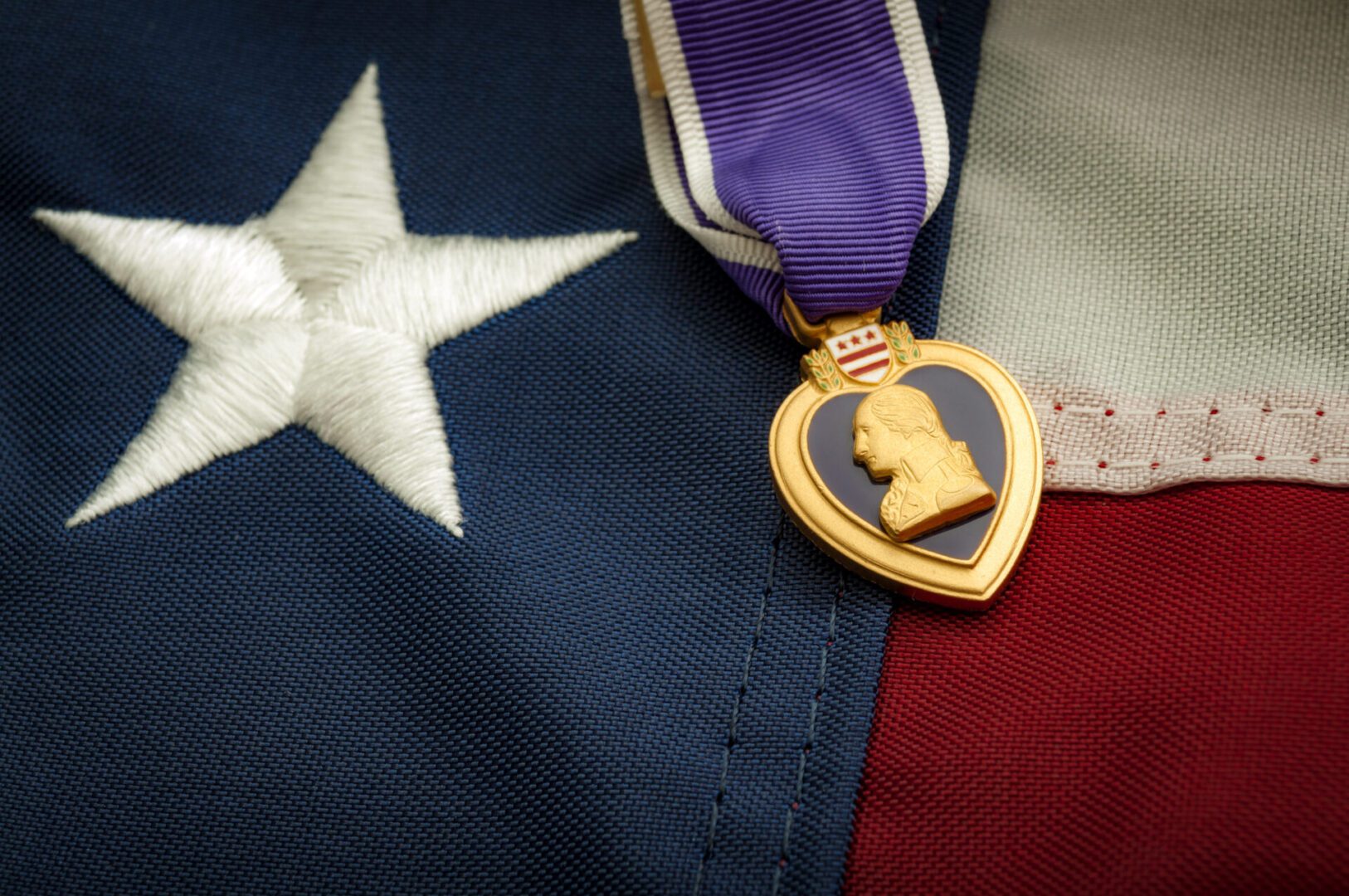
August 7th marks Purple Heart Day. On this day, Americans honor military members who suffered injuries or lost their lives while serving in combat. General George Washington created the original Badge of Military Merit back in 1782. Today, the medal stands as a symbol of sacrifice and bravery.
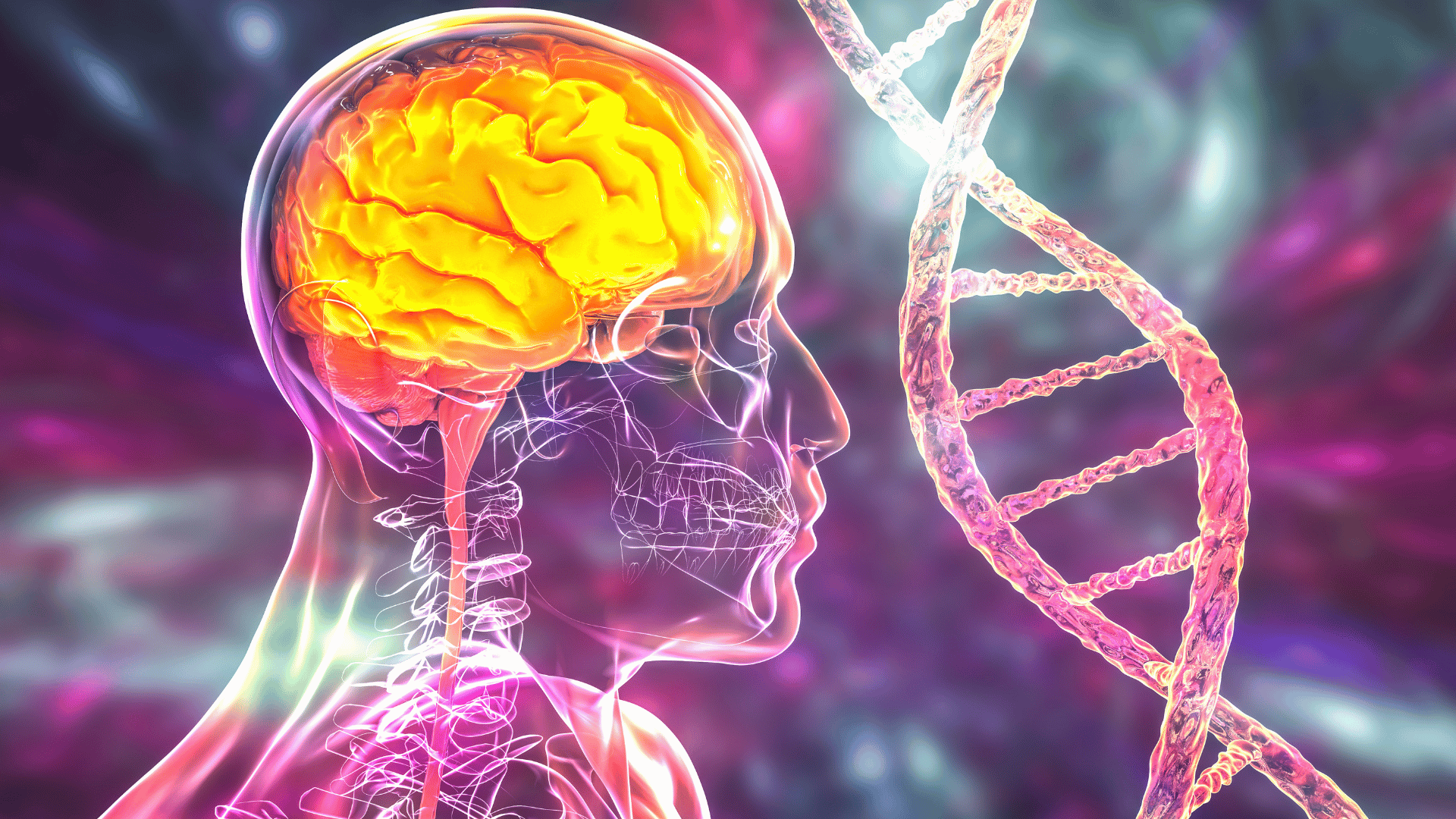
We often look back at history on national holidays. But Purple Heart Day also connects directly to future medical tech. The drive to care for wounded service members inspires incredible leaps in science, robotics, and biotech.
Bionic Limbs Controlled by the Brain
When soldiers suffer life-changing injuries in battle, returning home presents big challenges. High-tech prosthetics now change what recovery looks like. Defense researchers at DARPA launched the Revolutionizing Prosthetics program to build artificial limbs that act like natural body parts.
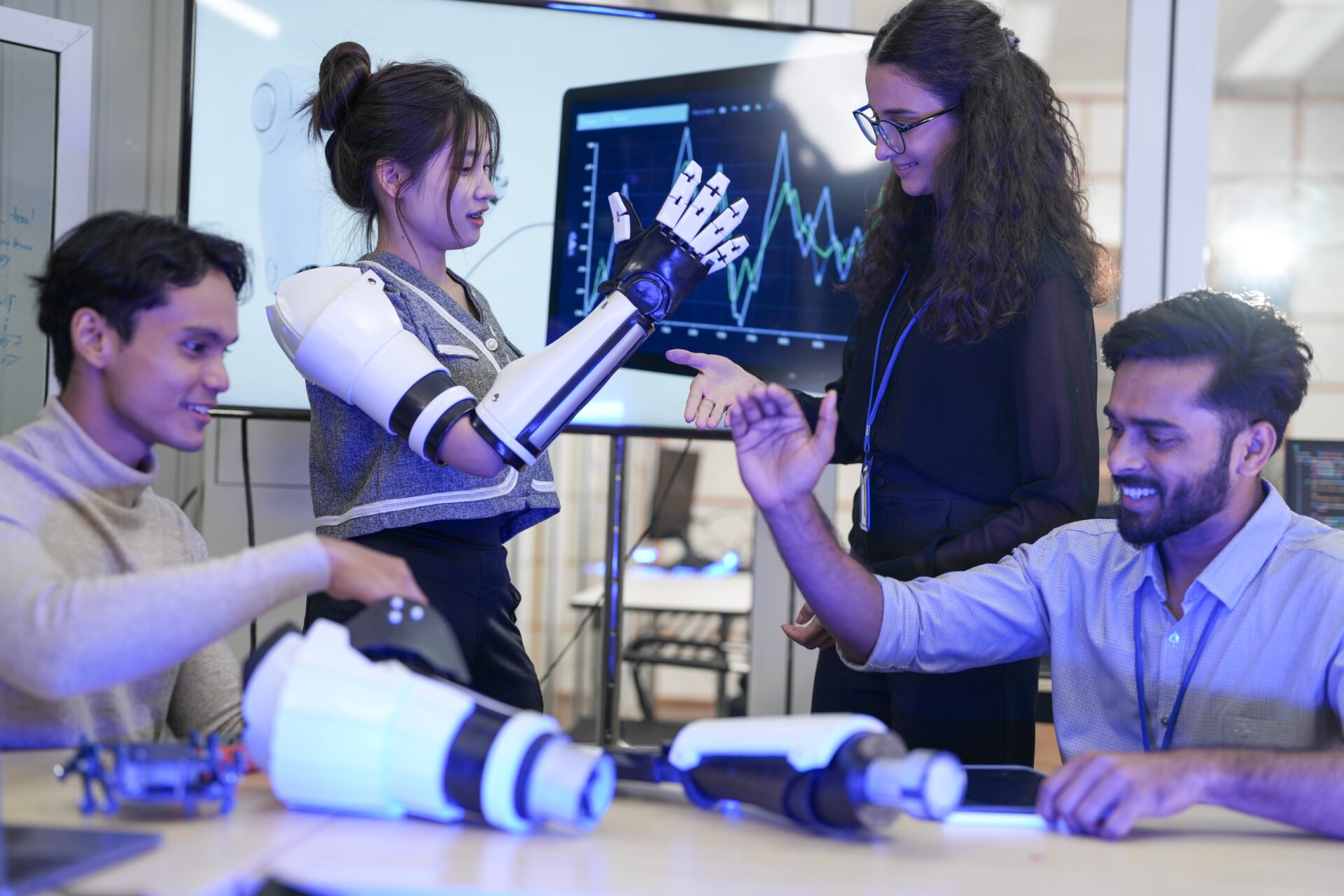
Engineers developed advanced limbs like the LUKE arm and the Modular Prosthetic Limb. These devices use smart sensors and neural interfaces. Users control the prosthetic hand using signals directly from their brain or remaining nerve pathways. Built-in sensors even give users a real sense of touch, temperature, and physical pressure.
Regenerative Medicine and Smart Wound Care
Care for wounded veterans goes way beyond artificial limbs. Biotech researchers now focus on helping the human body heal itself. Scientists use advanced 3D bioprinting to construct replacement skin and muscle tissue right in the lab. They use a patient’s own living cells to print living skin patches.
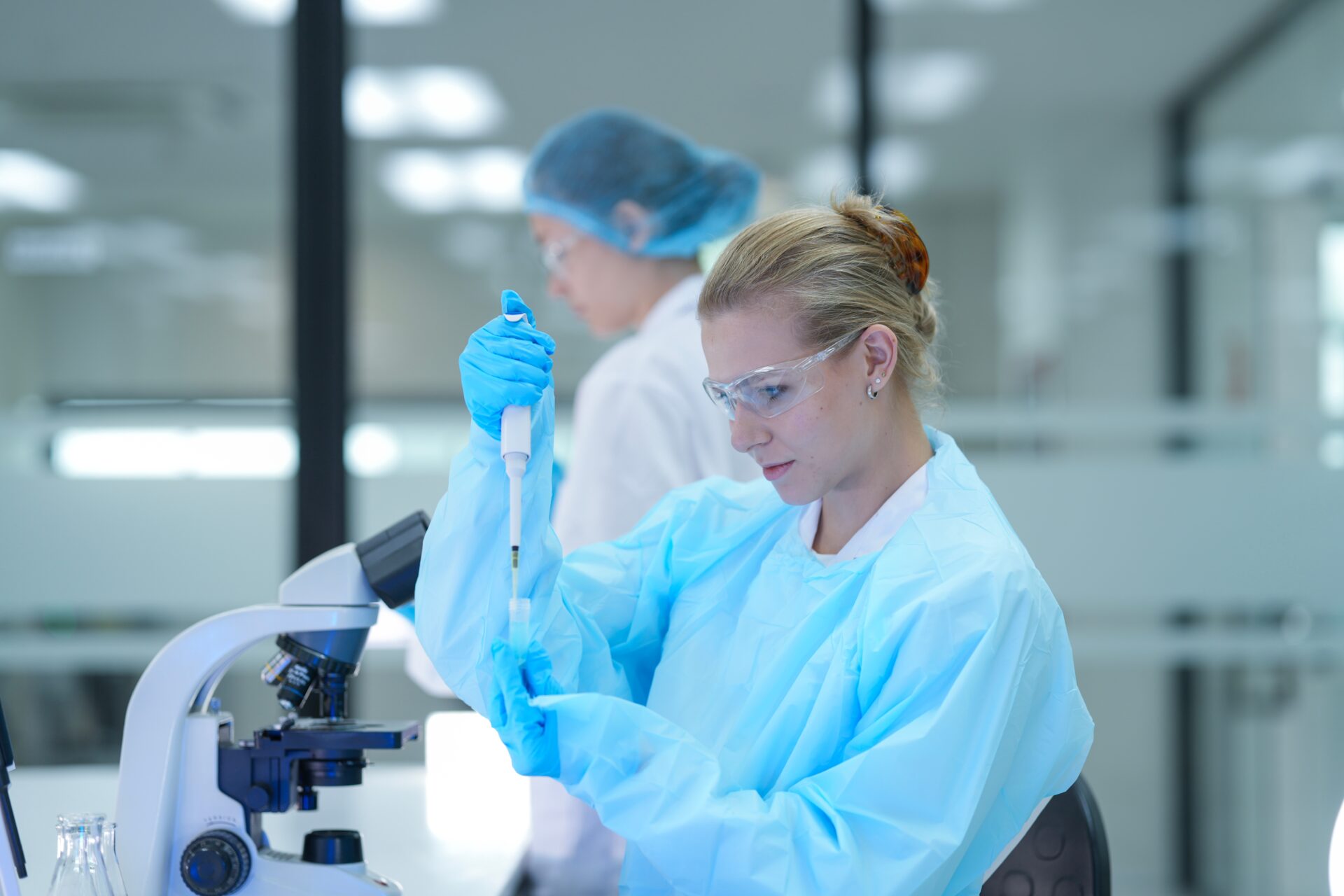
Smart bandages bring another layer of modern innovation to field medicine. These bandages carry tiny wireless sensors that monitor wound healing in real time. They track temperature, humidity, and bacteria levels under the dressing. If an infection develops, the bandage automatically releases medication to stop it.
Virtual Reality for Healing Mental Scars
Not all battle injuries leave physical marks. Traumatic brain injuries and post-traumatic stress disorder impact thousands of veterans every year. Medical teams now use modern virtual reality systems to treat emotional trauma safely.
In controlled therapy sessions, veterans wear VR headsets to revisit past events in safe environments. Clinical studies show that VR therapy helps reduce anxiety and stress responses over time. Advanced brain-monitoring sensors give therapists real-time data on stress levels during treatment sessions.
Where Honor Meets High-Tech Production
At Tomorrow’s World Today, we explore how inspiration and innovation solve complex problems. Purple Heart Day reminds us why medical progress matters so much. Engineers, doctors, and scientists build technology that transforms lives and restores independence for heroes.
Next time you see a Purple Heart, remember the incredible tech born from that sacrifice. Modern science continues to push boundaries so wounded veterans can build brighter futures.
 Read Exclusive Stories
 Bookmark & Save Articles For Later