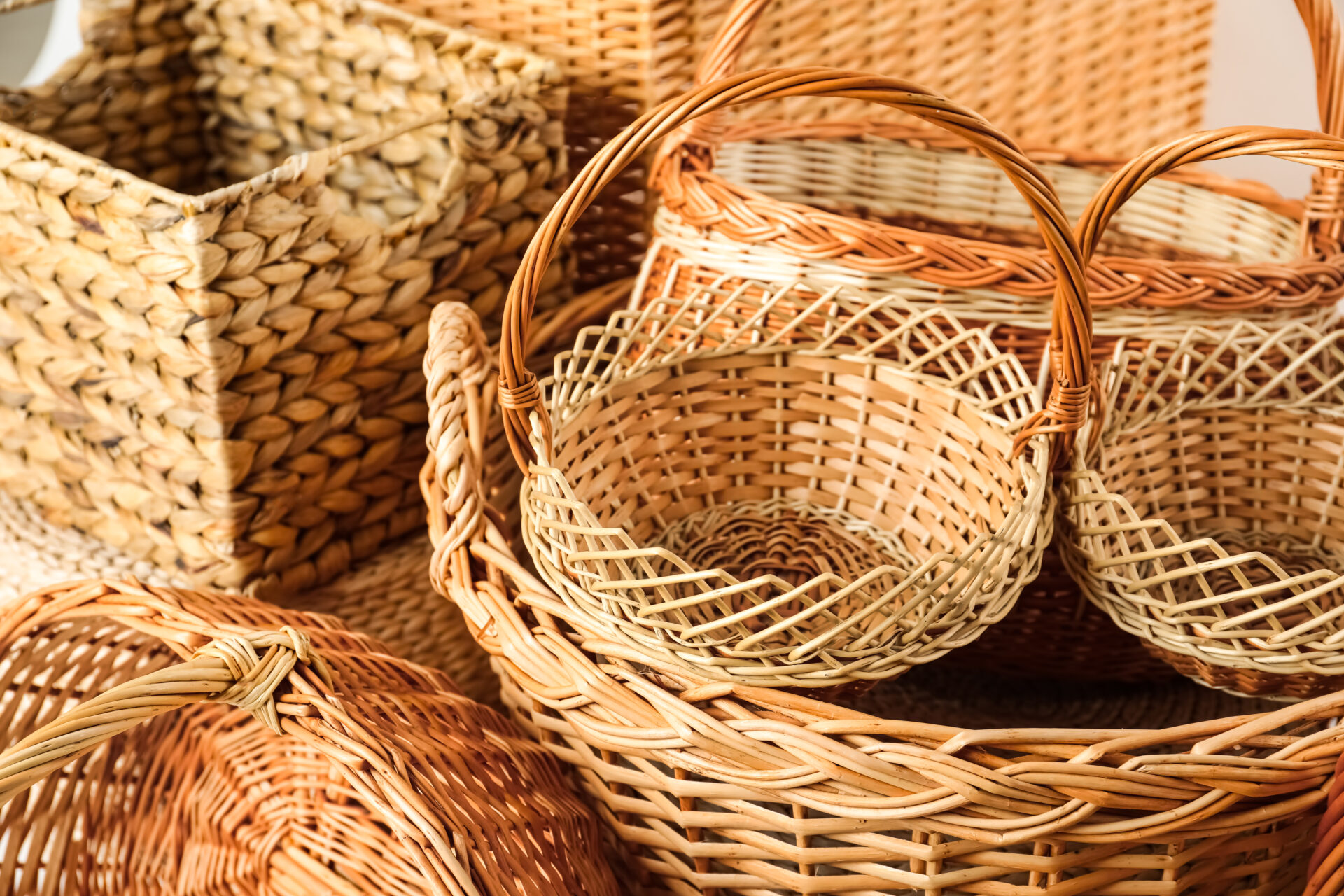
Pick up a reed of rattan or willow. It bends easily in your hands, and if you press too hard, it snaps. It seems way too weak to hold anything heavy. Yet, when you weave those same flimsy strands together, they can carry firewood, hold laundry, or even haul heavy produce without breaking.
Basket weaving is one of humanity’s oldest engineering tricks. It relies on geometry, friction, and tension to turn soft plants into rigid structures.
The Physics of the Weave
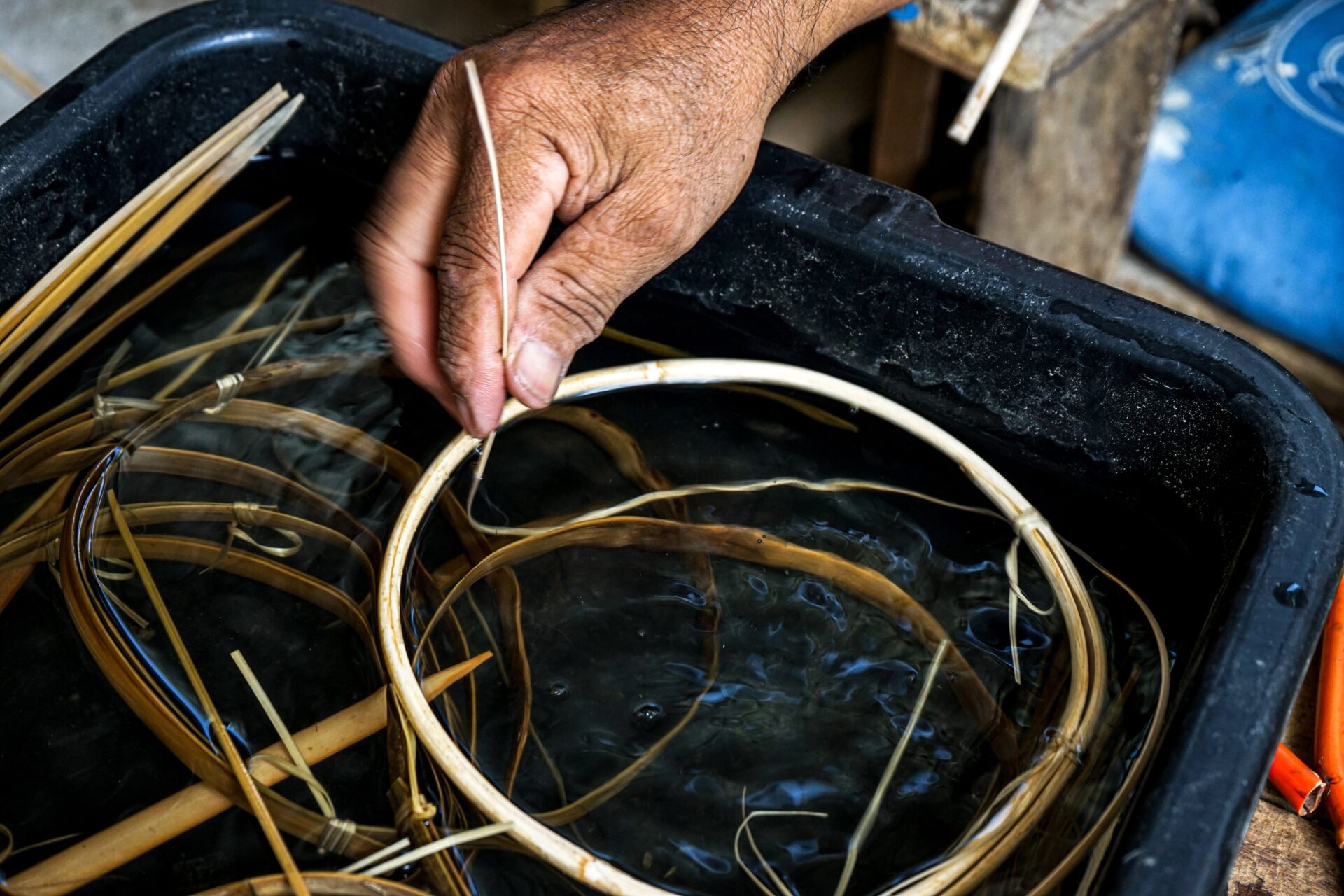
Building a basket starts with soaking the plant material in water. Dry plant fibers are brittle, but water makes them pliable so they can curve without cracking.
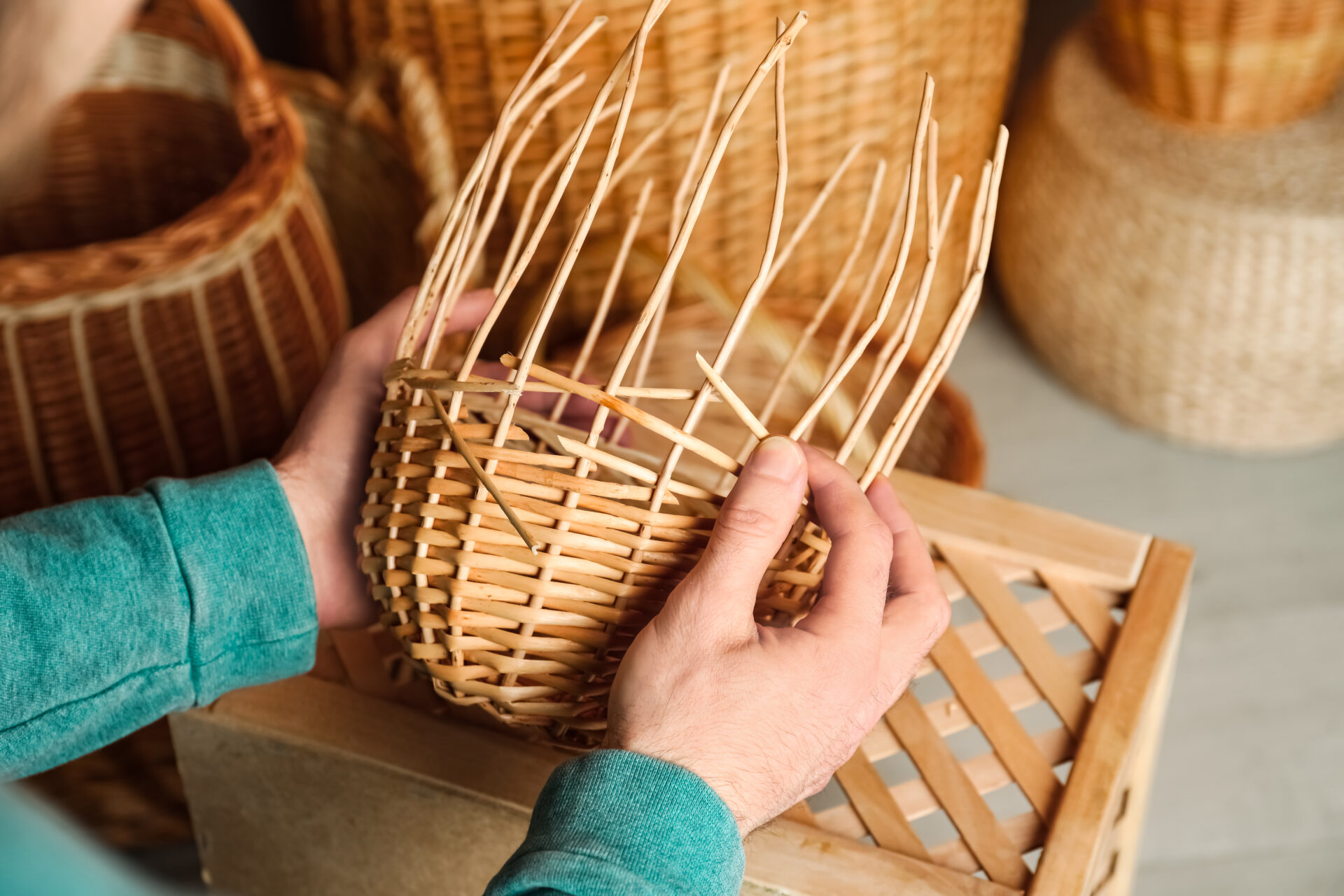
The weaver sets up a framework of thick, sturdy strands called spokes. These form the basic skeleton of the basket. Next comes the weaving strand, called the weaver. The weaver travels over and under the spokes in a continuous loop.
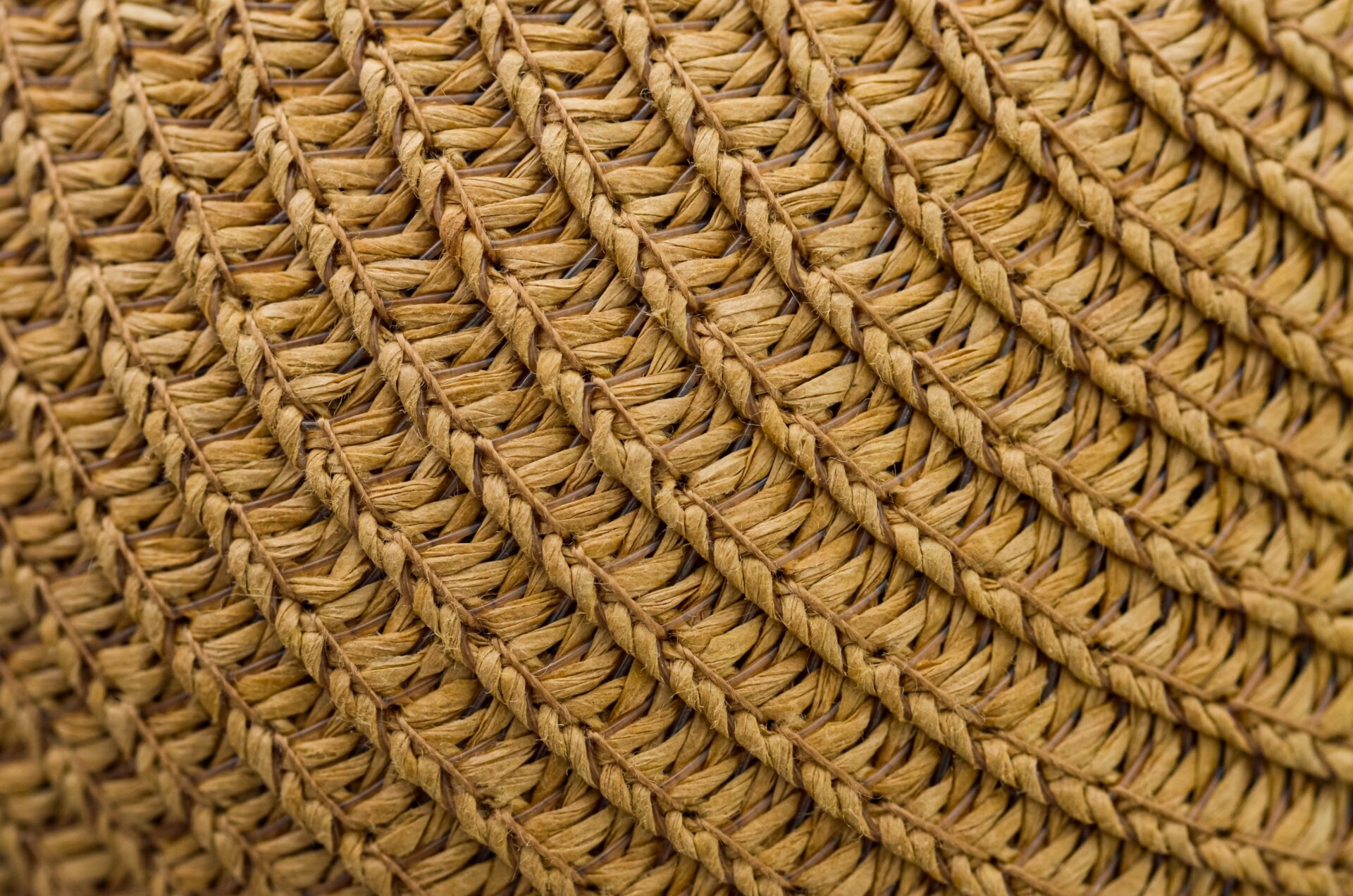
As the wet plants dry out, something cool happens. The fibers shrink slightly and lock together tightly. Every cross point creates friction. One single strand easily bends under pressure, but hundreds of overlapping strands share the weight. The force spreads out across the whole basket instead of hitting just one spot.
Modern Material Science
Advertisement
Basket weaving isn’t just an ancient craft. Engineers study woven patterns to design stronger modern materials.
Composite materials used in cars, airplanes, and prosthetics rely on woven carbon fiber or fiberglass. Just like a wicker basket, thousands of tiny, flexible glass or carbon threads are woven together and coated in resin. The finished product is super light but can withstand massive forces without cracking.

Sustainably speaking, plant-based weaving is also getting renewed attention. Designers are looking at fast-growing reeds like rattan, bamboo, and willow as eco-friendly alternatives to plastic containers. These natural materials grow quickly, absorb carbon dioxide, and break down naturally at the end of their lifespan.
Hands-On Engineering
You don’t need fancy machines or high-tech factories to make a sturdy vessel. All you need is a tub of water, a bundle of reeds, and basic geometry.
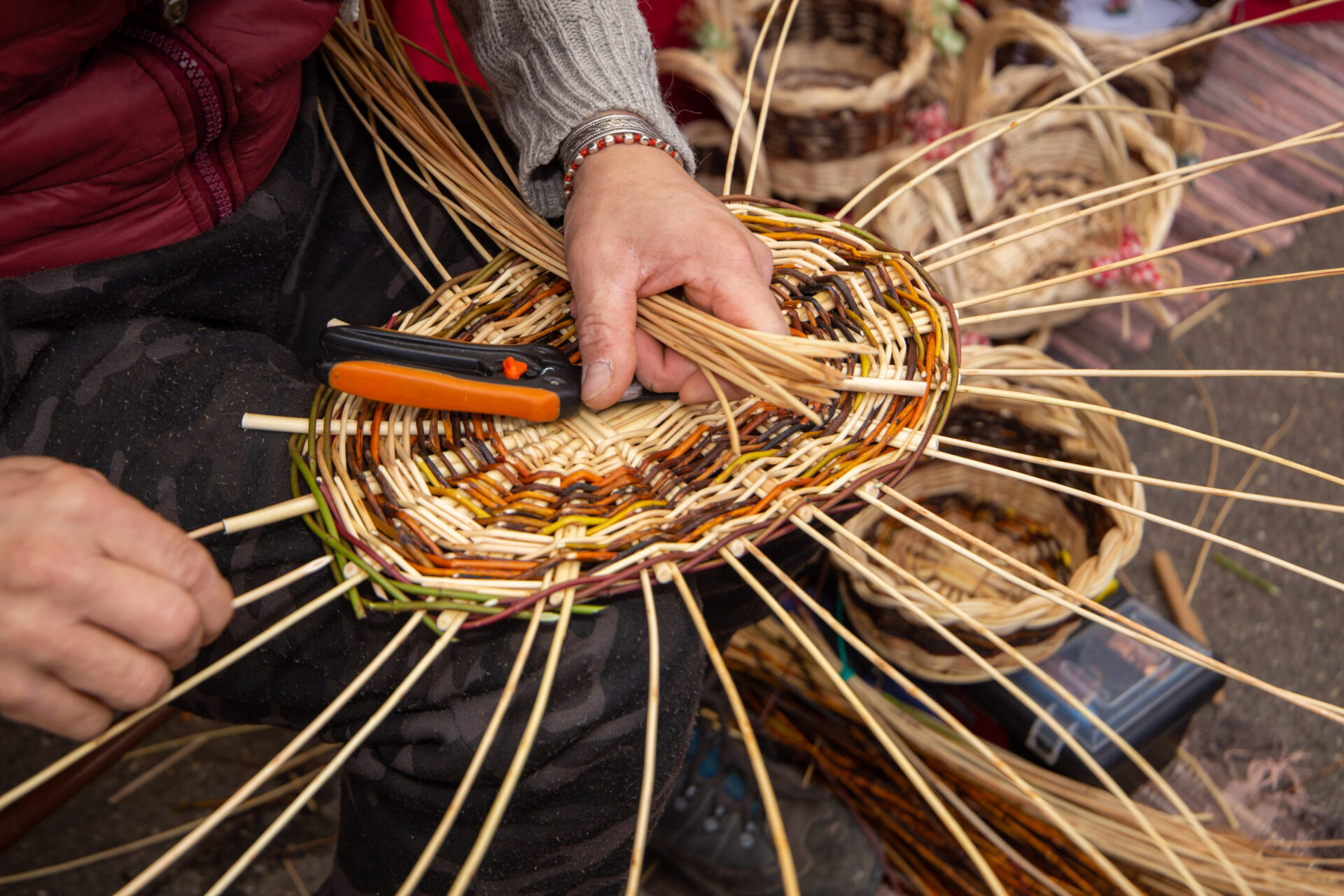
Mastering the tension takes time and practice. Pull the strands too tight, and the basket pulls inward like an hourglass. Leave them too loose, and the sides flop around. But once you get the rhythm down, you see physics in action with every turn.
It is a great reminder that simple, natural ideas often inspire our best modern designs. Long before we had advanced carbon composites or synthetic materials, humans figured out how to turn flexible plants into durable, daily tools one weave at a time.
 Read Exclusive Stories
 Bookmark & Save Articles For Later