Pick up a cheap paperback off your shelf. If you open it flat, the spine glue might crack. Read it a few times, and pages start falling out. Most modern books are made to be quick and cheap, not long-lasting.
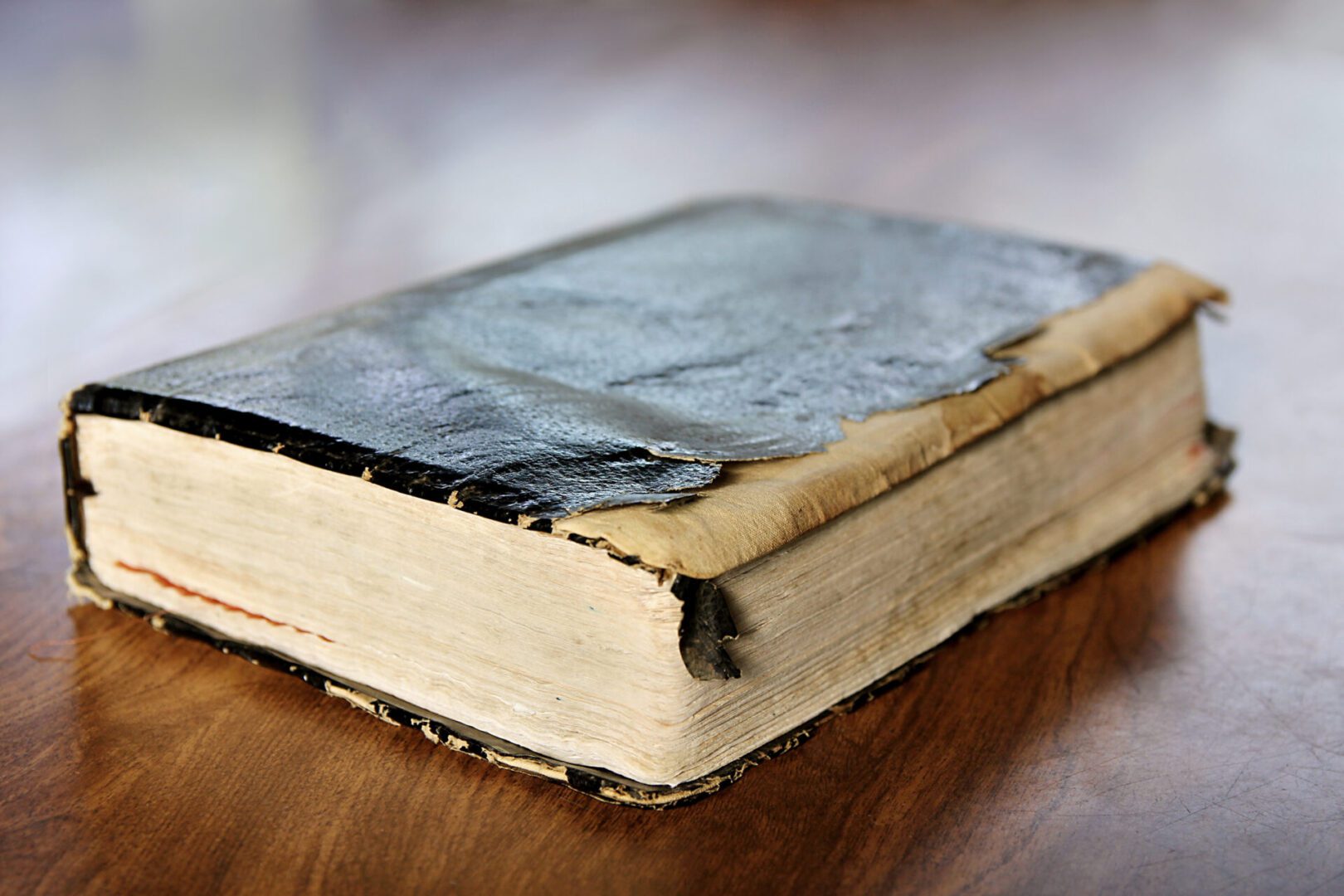
Old-school bookbinding works differently. Long before mass production, bookbinders built books to last for hundreds of years. Now, this ancient craft is blowing up on TikTok and Instagram, mixing old traditions with fresh technology.
Here is an example of a TikToker with over 7.5 million likes on her page. Sydney does DIY crafts and bookbinding. She takes her own personal, as well as popular, books and gives them new life with her creativity, replacing cracked or old covers with bright, fun, and unique bindings.
@spellboundwithsydney Let’s DIY a new cover for one of the greatest books of all time, Project Hail Mary ⭐️🪨 🌌 This rebind was SO much fun and I’m so proud of it! Who else is seeing the movie?? I have tickets for tomorrow and I’m counting down the minutes 🤩 #projecthailmary #ryangosling #scifibooks @Project Hail Mary
The Bones of a Book
A long-lasting book starts with paper folded into small bundles called signatures. Instead of gluing single pages together, the binder sews these folded groups together using strong linen thread.
The thread runs through the spine and wraps around heavy cords or cloth tapes. That creates a flexible, woven backbone. When you open a properly bound book, it lies completely flat without breaking.
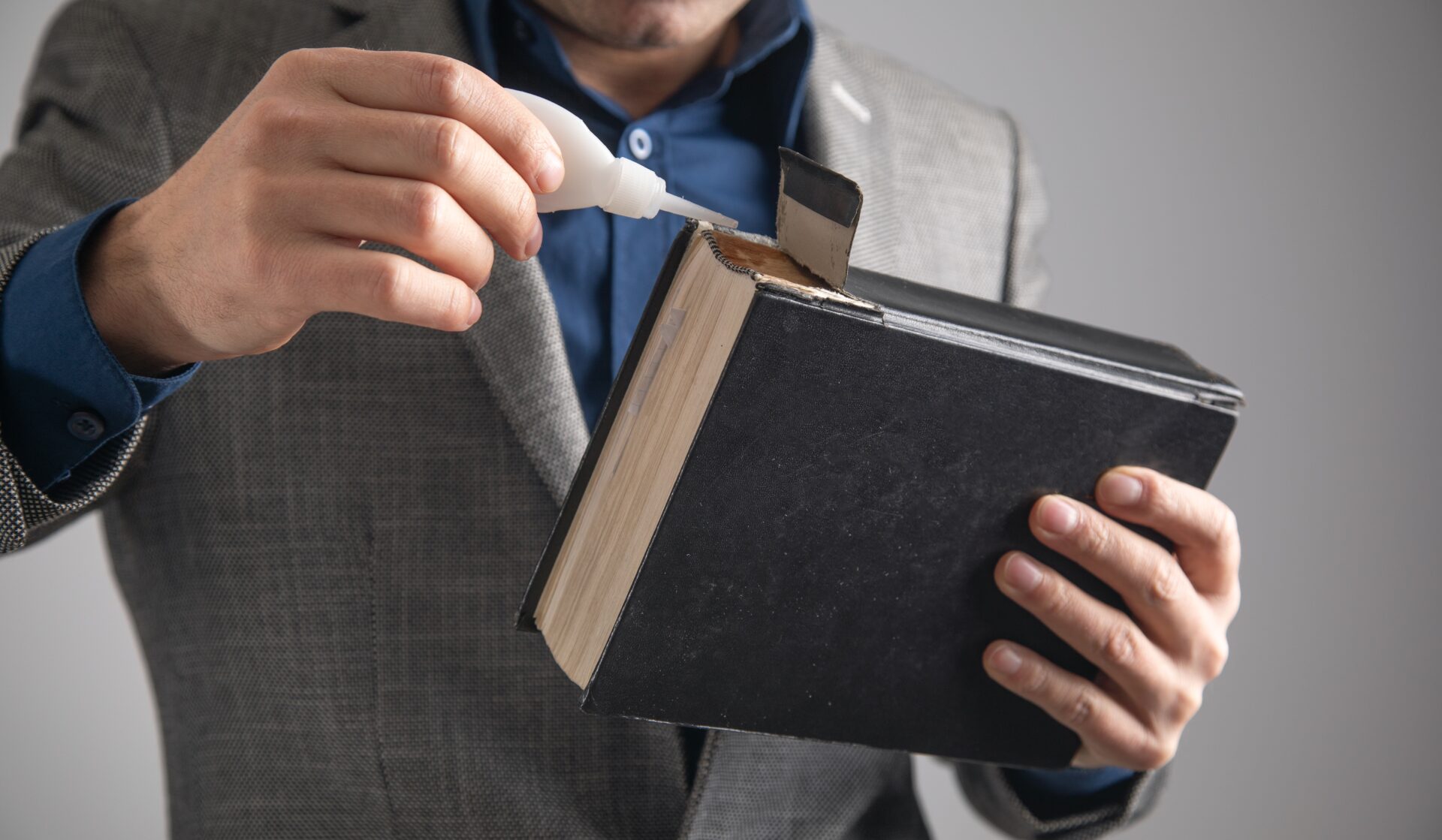
Next comes the glue. Binders don’t use regular school glue. They use acid-free PVA or natural starch paste. Regular glues turn yellow and brittle over time, which eats the paper. Acid-free glues stay flexible for decades, so the spine won’t snap when the weather changes.
Advertisement
Old Craft Meets New Tech
You might think bookbinding belongs in a museum, but social media brought it back into the spotlight. Crafters post quick videos showing off custom leather covers, painted page edges, and hand-stitched spines. Millions of viewers watch them turn plain paper into custom art pieces.
Makers are also bringing modern tech to the workbench. People are using 3D printers to make custom binding presses, hole-punching guides, and sewing jigs.
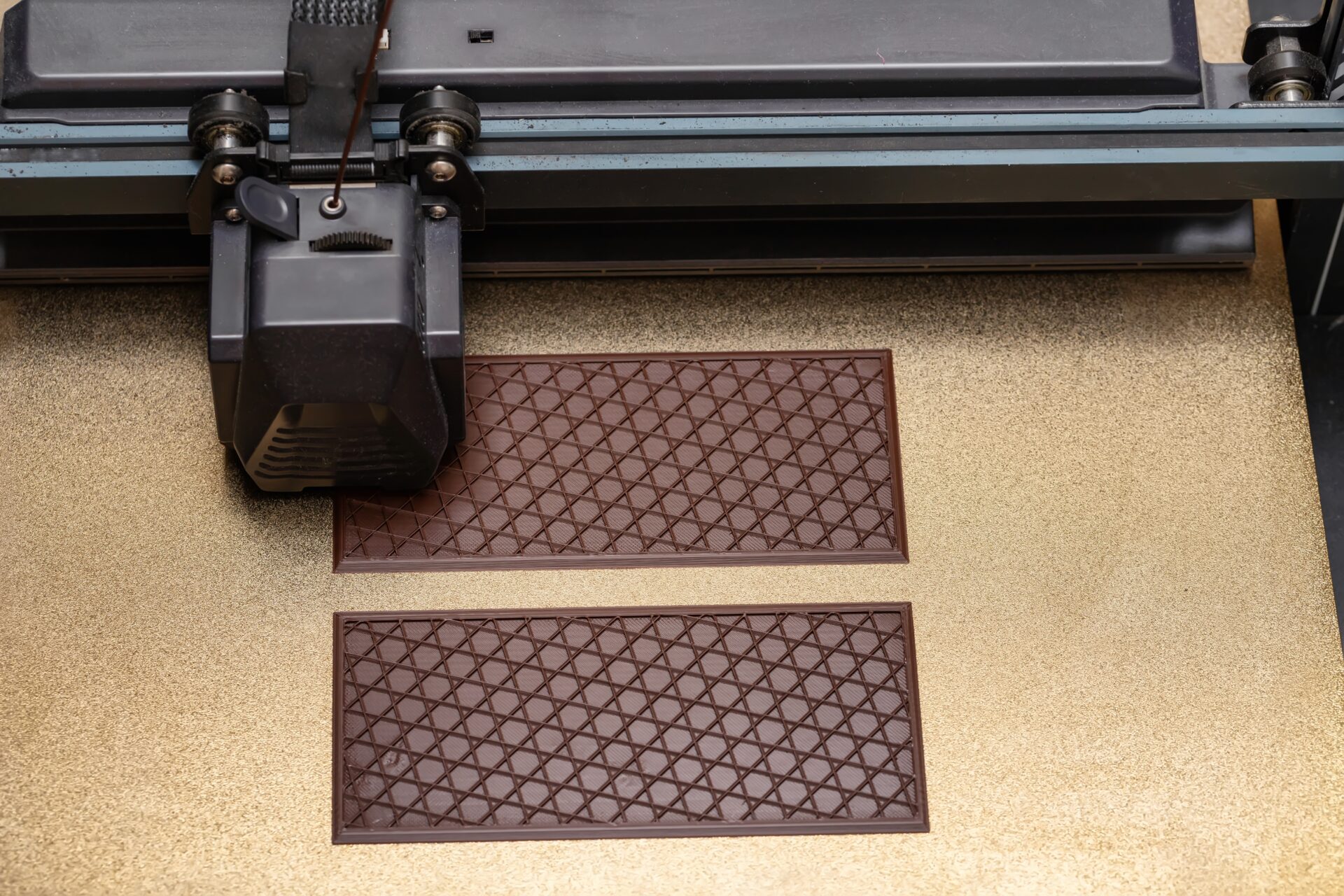
Instead of buying expensive, heavy cast-iron gear, beginner binders print plastic tools at home for a few dollars. Others use laser cutters to burn intricate patterns into wooden or leather covers.
Why Handbound Books Still Matter
Digital e-readers hold thousands of novels, but they don’t feel like much in your hands. A physical book gives you a break from screen time.
Making a book by hand takes hours of measuring, folding, stitching, and pressing. It requires real physical effort. But the result is a custom object that can outlive a tablet, a phone, or even the cloud.
By combining traditional handicrafts with modern 3D printing, today’s makers are keeping an ancient skill alive. They aren’t just stitching paper together. They are building personal heirlooms that can be passed down through generations without ever losing a page.
 Read Exclusive Stories
 Bookmark & Save Articles For Later