Imagine standing in the middle of a desert. There are no notifications popping up. No traffic noise. No tall buildings blocking your view. It’s just sand, sky, and endless open space.
It feels vast, yet incredibly quiet.

Quieting the Noise
When you remove all the noise of daily life, something interesting happens to your brain. It stops racing. In our normal lives, we constantly process thousands of small inputs. Ads, emails, chatter, and clutter compete for our attention every second. But the desert doesn’t offer any of that. It gives you room to breathe and think.

This empty landscape acts like a reset button for creators, artists, and innovators. When you strip away the background clutter, your mind stops overthinking. You are forced to focus on what is right in front of you.
Learning From Great Creators
Many famous architects and artists have drawn inspiration from desert environments to produce their best work. Look at Georgia O’Keeffe. She moved to the New Mexico desert because the stark landscapes and bright light helped her see shapes more clearly. Her art became simpler, bolder, and more intentional.
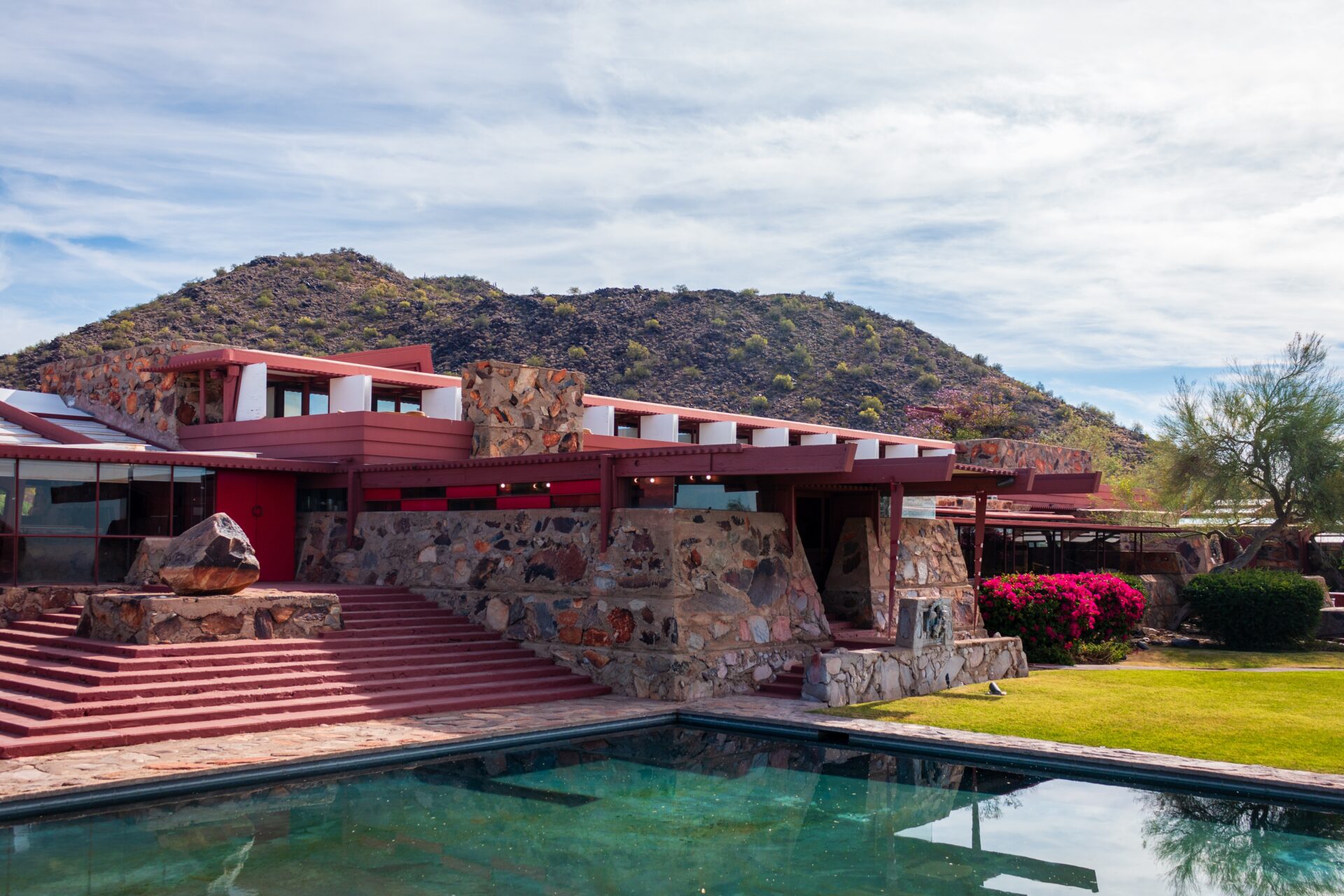
Architect Frank Lloyd Wright built Taliesin West in the Arizona desert. He used local rocks and sand to blend the building straight into the land. The environment forced him to create simple, functional designs that respected the space around them.
Advertisement
Cutting Down to the Essentials
The desert forces a strict rule on anyone who enters it: bring only what you need to survive. There is no room for excess baggage.
This survival mindset leaks directly into creative thinking. When you design, write, or build in a place with limited resources, you stop adding unnecessary features. You start cutting away the extra fluff until you are left with only the core idea. You learn to value quality over quantity.

Bringing the Desert to Your Desk
You don’t actually have to move to the Sahara to get this benefit. The lesson here is about managing your focus. Modern life gives us endless options, but those options often lead us to produce messy, complicated work.
By taking a lesson from desert minimalism, we can clear out our mental workspace. Turn off the extra screens. Close the twenty open tabs on your browser. Clean off your desk.
When you give yourself a little bit of emptiness, you create space for better ideas to grow. Sometimes, having less around you is the fastest way to figure out what actually matters.
 Read Exclusive Stories
 Bookmark & Save Articles For Later