High above the farmland of eastern Pennsylvania sits a jagged ridge of sandstone rock. Most of the year, the ridge is just another scenic spot in the Appalachian Mountains.
But every autumn, thousands of predatory birds funnel over the peak like it’s a migration highway to the south for the winter.
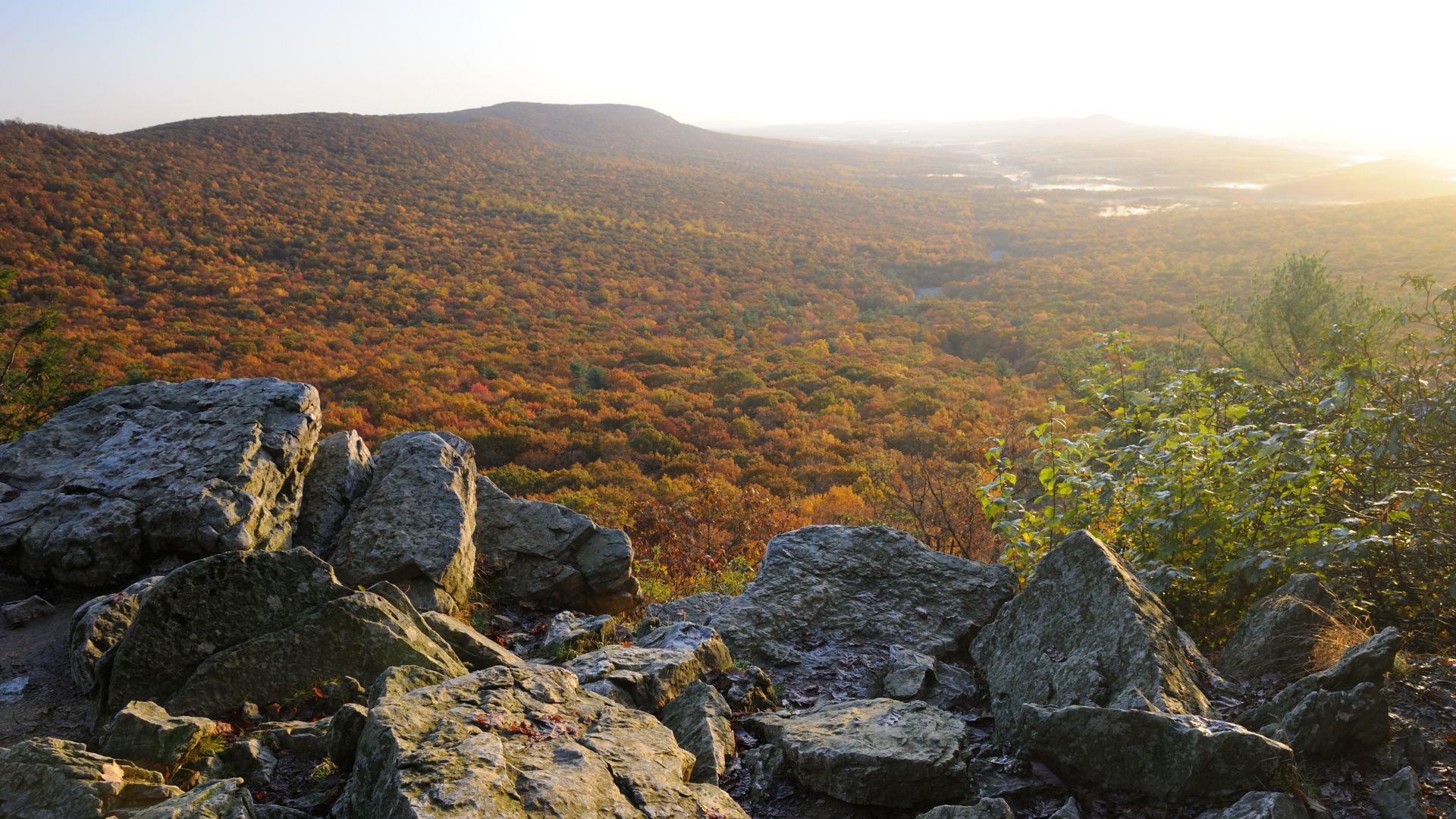
Located on top of a 2,600-acre nature preserve, Hawk Mountain Sanctuary sits in one of the prime spots in the region for a reason. The ridge acts as a haven for raptors to migrate to warmer regions of the United States.
Updrafts and Thermal Highways
The reason the mountain is so popular with the bird species is due to a bit of physics.
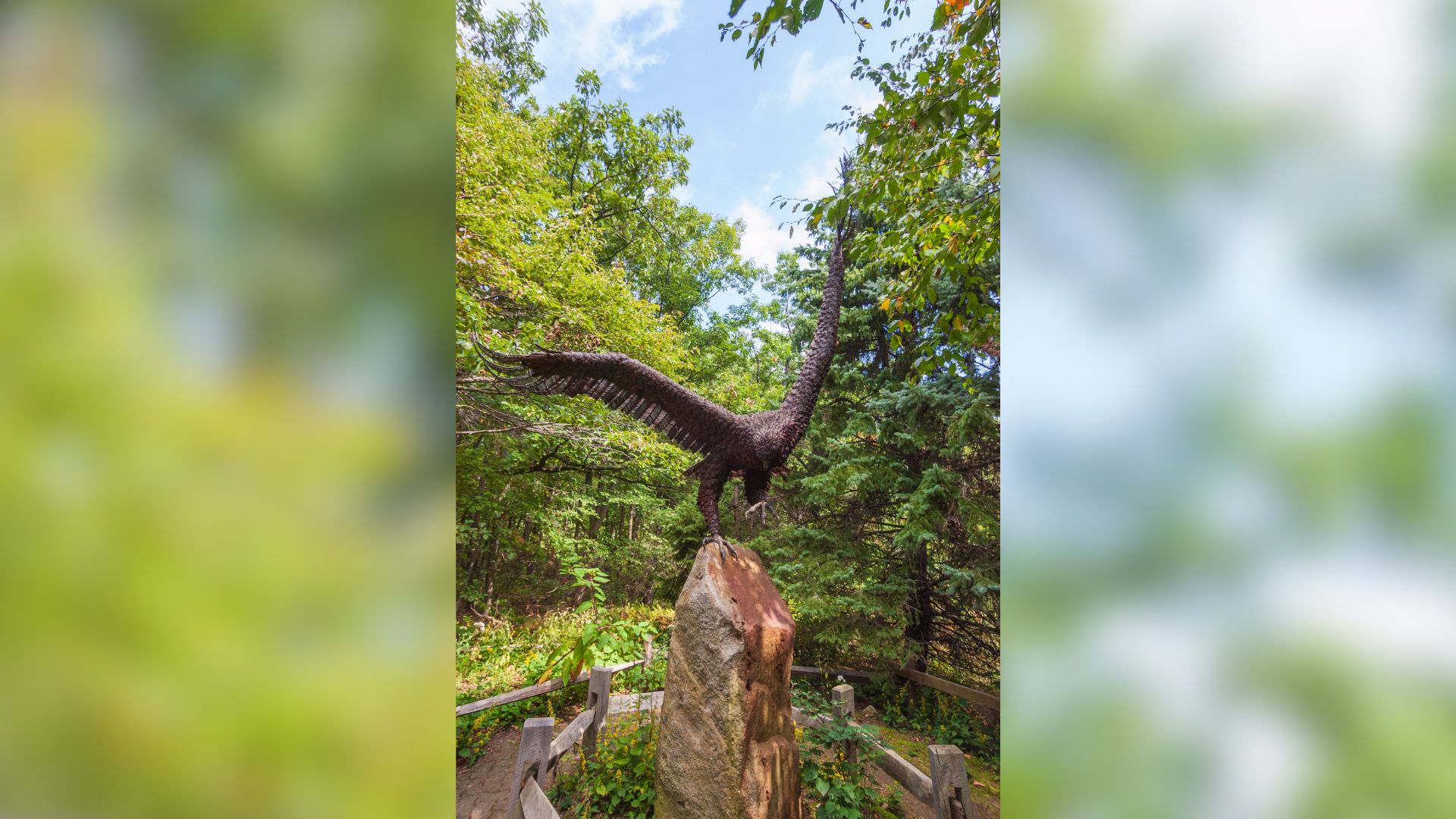
The sandstone ridge is part of the Kittatinny Ridge. The flat valley floors below the ridge are home to strong winter and spring winds that hit the sandstone face of the mountain.
This creates updraft currents of air. Additionally, during the summer months, the dark sandstone rocks absorb heat from the sun, creating warm air bubbles that rise from the rocks.
Bird species like hawks, eagles, falcons, and vultures use these updrafts and thermals to travel for miles without flapping their wings.
Advertisement
This conserves their energy during their migration journey. They can drift from areas as far north as New England to the entire Mid-Atlantic region without using any muscle power.
A Natural River of Rocks
Another natural attraction of the preserve is the “River of Rocks,” located near the summit of Hawk Mountain.
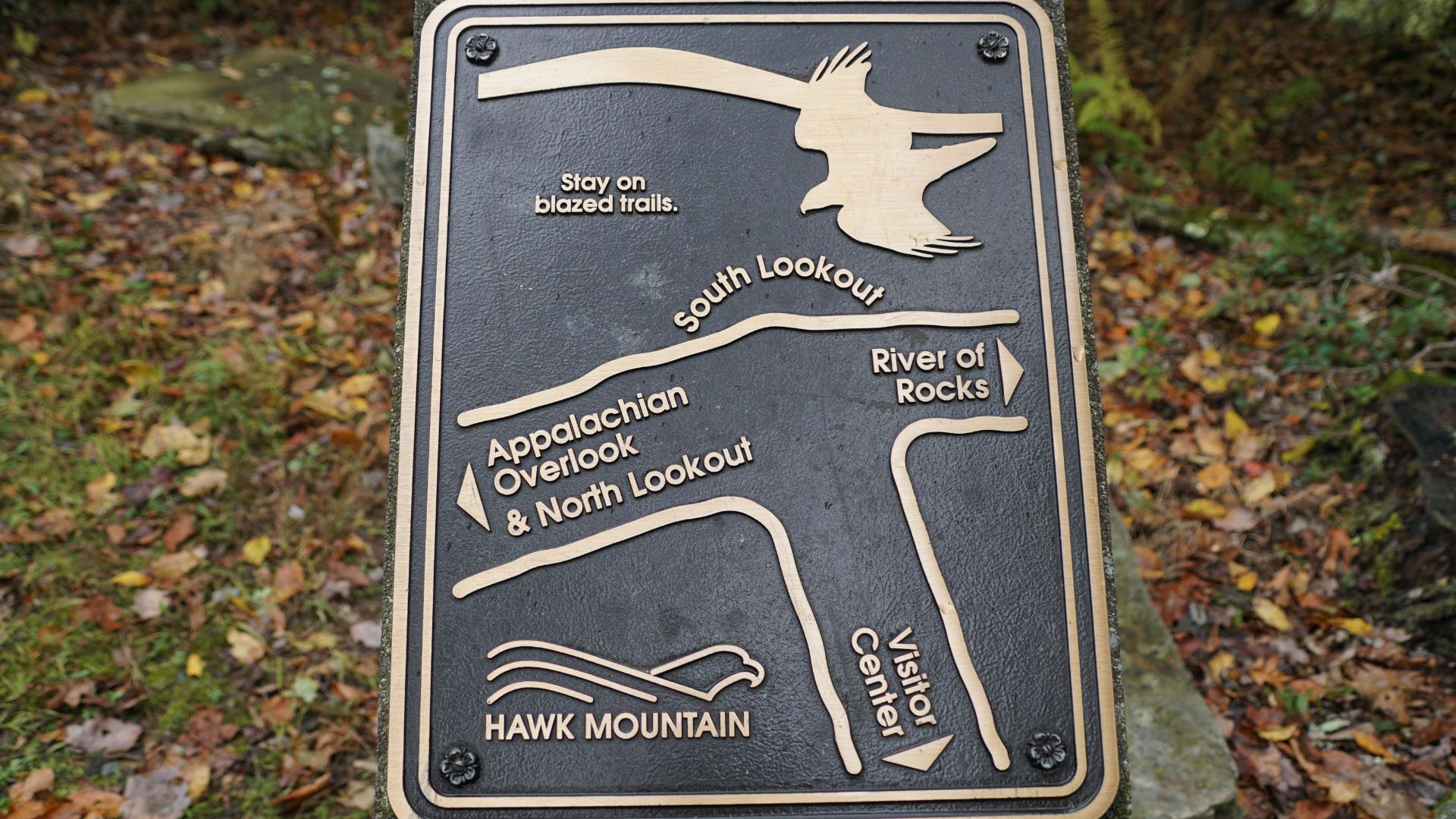
The “river” is actually a winding river of sandstone boulders that stretches across the mountain. During the last ice age, the glaciers that covered the region stopped just north of the preserve.
The freezing and thawing of glacial ice cracked the mountain’s sandstone ledge. Water that froze within these cracks caused them to expand and eventually allow those boulders to slide down the mountain over thousands of years.
People can still sit on these massive rocks at North Lookout Preserve, which is located at 1,520 feet above sea level. These geological and physical elements have made this one of the best spots in the world to observe migratory birds.
 Read Exclusive Stories
 Bookmark & Save Articles For Later