When people think of the American West, they typically think of canyons with bright red sandstone. But in western Colorado, there is a giant gorge with a completely different landscape.
Black Canyon of the Gunnison National Park plunges 2,700 feet straight down into the earth. The gorge features ancient dark rock on its canyon walls so narrow that sunlight cannot reach the canyon floor.
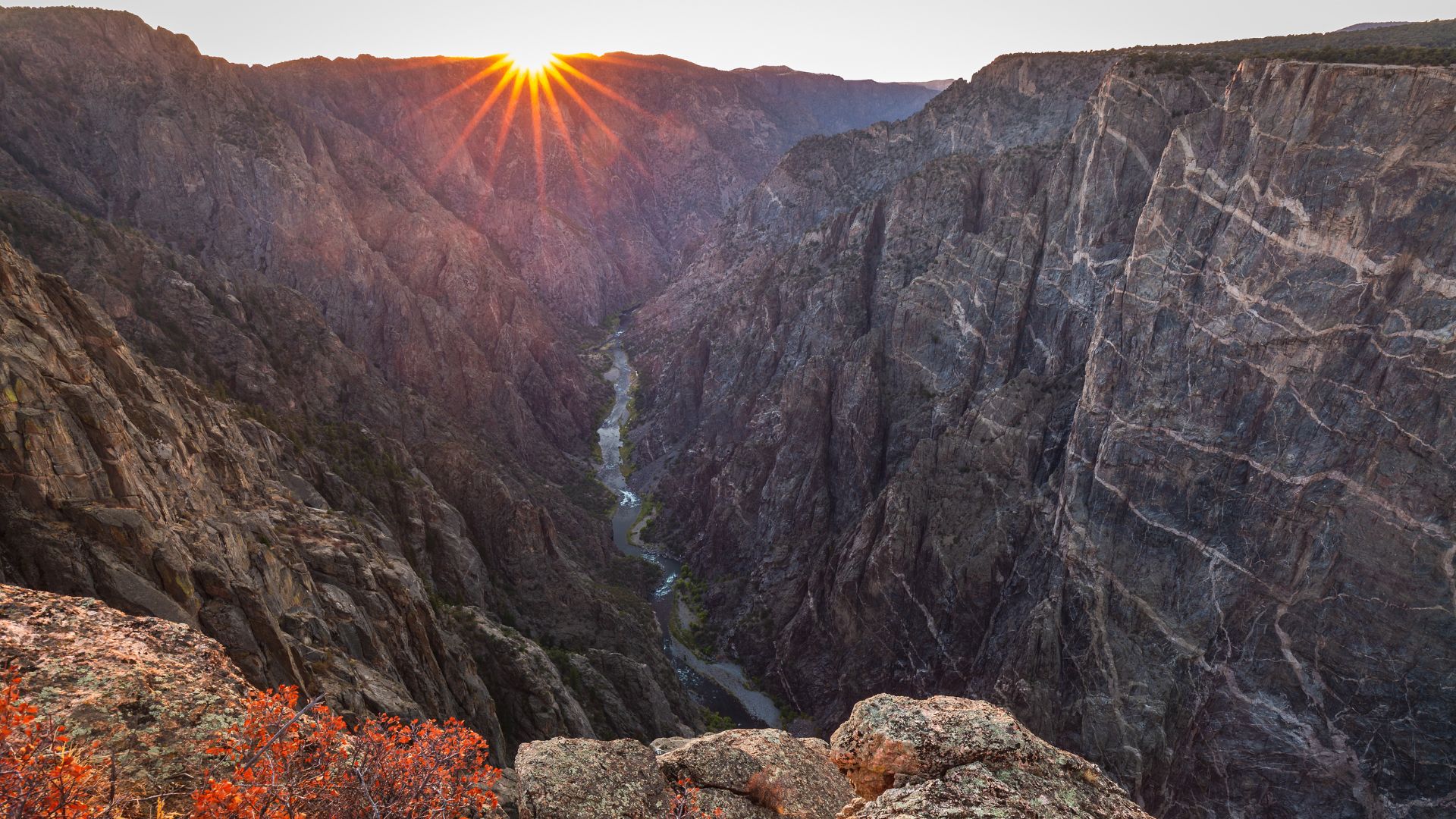
Formed over millions of years, it has become one of the most distinctive geological features in the United States.
Ancient Rock and River Formation
Black Canyon features rock that is almost two billion years old. Deep beneath the Earth’s surface, heat and pressure forced the minerals together to form dark rock. Later, pink granite veins formed within these rocks.
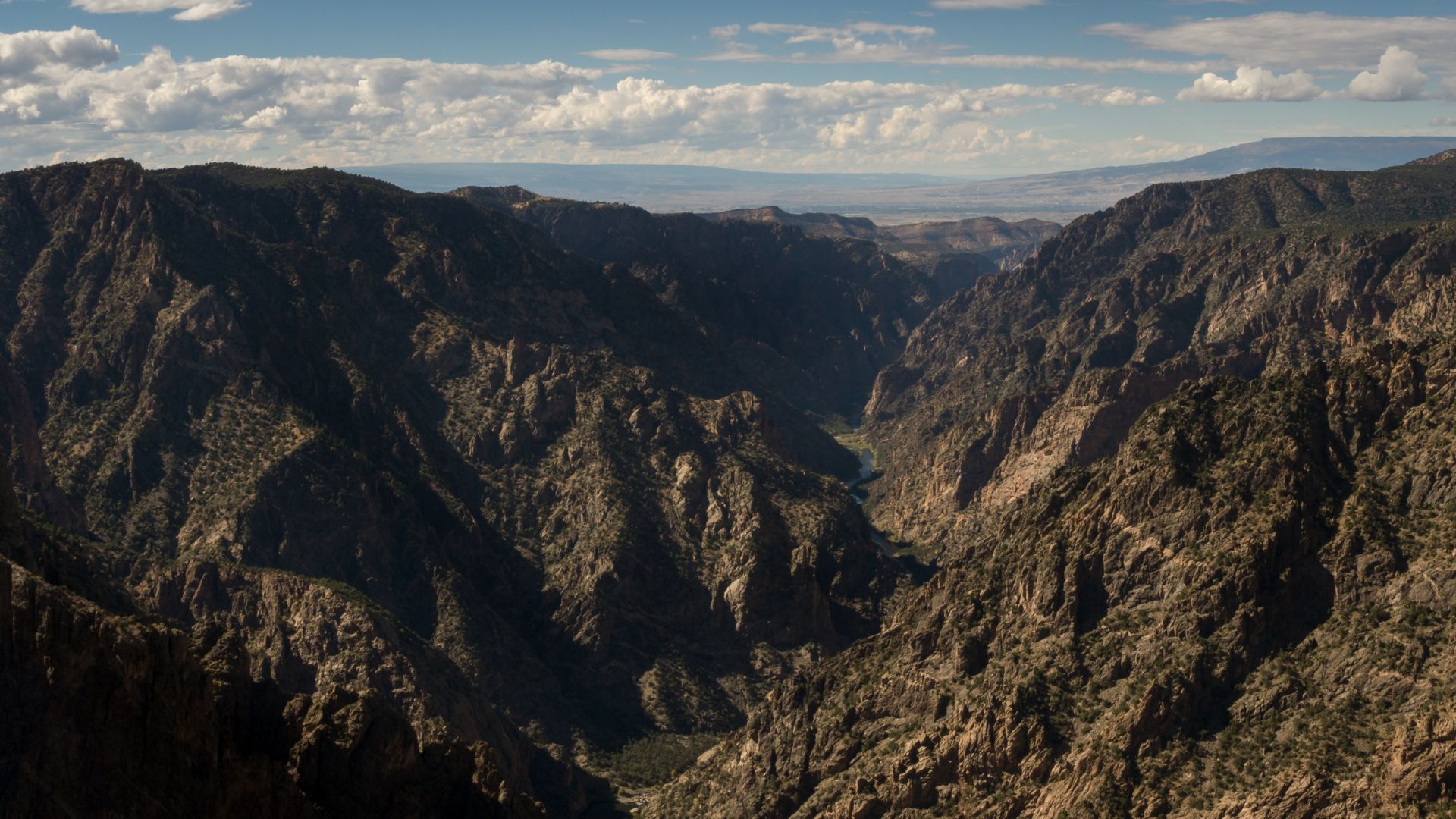
The Colorado Rockies were uplifted millions of years ago. The Gunnison River began to erode the sedimentary rocks above the granite but could not carve into the granite’s solid structure. The canyon eroded almost 43 feet per mile into the rock layers.
Advertisement
Dark Gorge Walls and Little Sunlight
The park was named for the color of the canyon from above. Such steep walls mean large sections of the canyon remain in shadow throughout most of the day. The narrowest parts of the gorge receive sunlight for only 33 minutes per day.
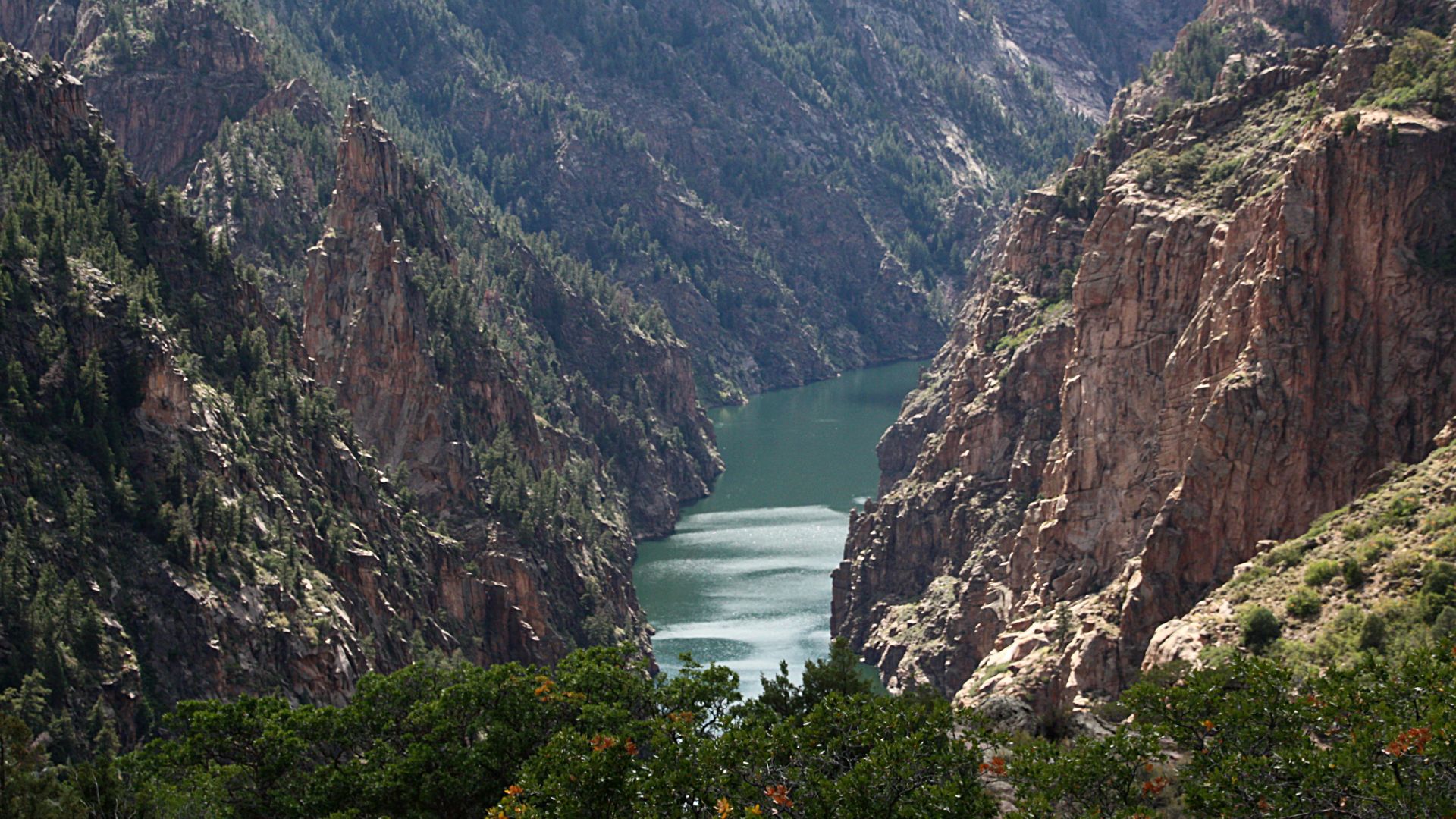
The Painted Wall is a massive 2,247 feet high and the tallest vertical cliff in Colorado. From the canyon’s edge, the view down the gorge provides a dizzying view of the region’s geological history.
A Quiet Spot in the Rockies
Because the park features half the visitor numbers of other national parks, Black Canyon is a quiet spot for nature lovers. A scenic drive along the South and North Rims of the canyon lets tourists take scenic overlooks and admire the canyon from above.
 Read Exclusive Stories
 Bookmark & Save Articles For Later