When we look at some of the most stunning landscapes in the world, they were often formed by the Earth millions of years ago. However, if we travel to Hawaiʻi Volcanoes National Park on the Big Island of Hawaiʻi, we can actually witness the landmass of the planet grow larger over time.
The park is home to two of the most active volcanoes in the world: Kīlauea and Mauna Loa. Instead of studying the geology of an area that is hundreds of thousands of years old, we can actually witness the earth being created before our eyes.
Shield Volcanoes
Many people think of volcanoes as mountains that continuously erupt, expelling lava. The volcanoes in Hawaiʻi, however, are of a different nature; they are called shield volcanoes.
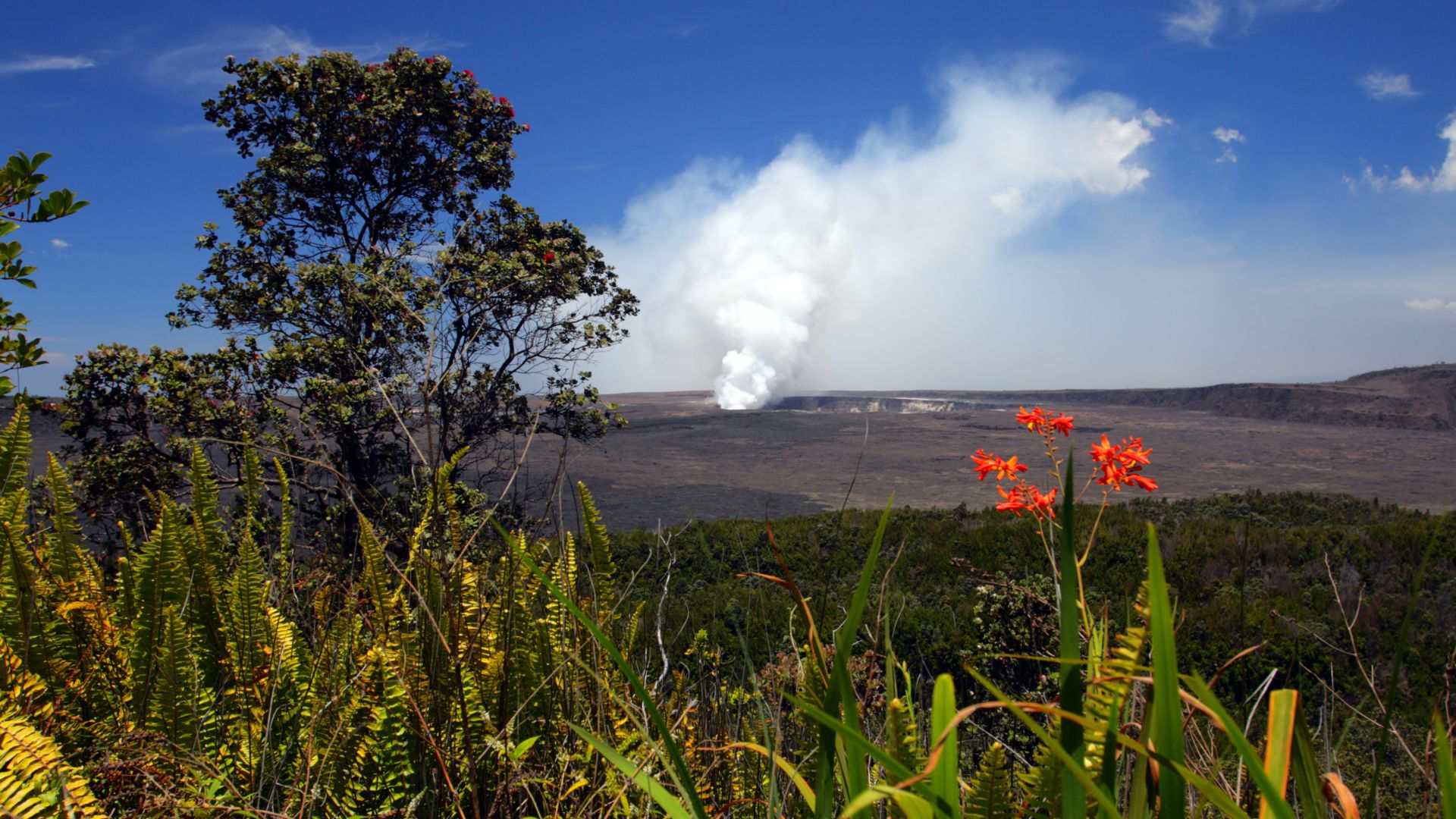
These volcanoes do not violently erupt lava from the mountain; instead, the lava that emerges is thin and runny, flowing over long distances. The accumulation of these volcanically active lava rivers over thousands of years has created massive mountains; Mauna Loa is so massive that it accounts for half of the Big Island’s landmass.
Fire Meets Water
Advertisement
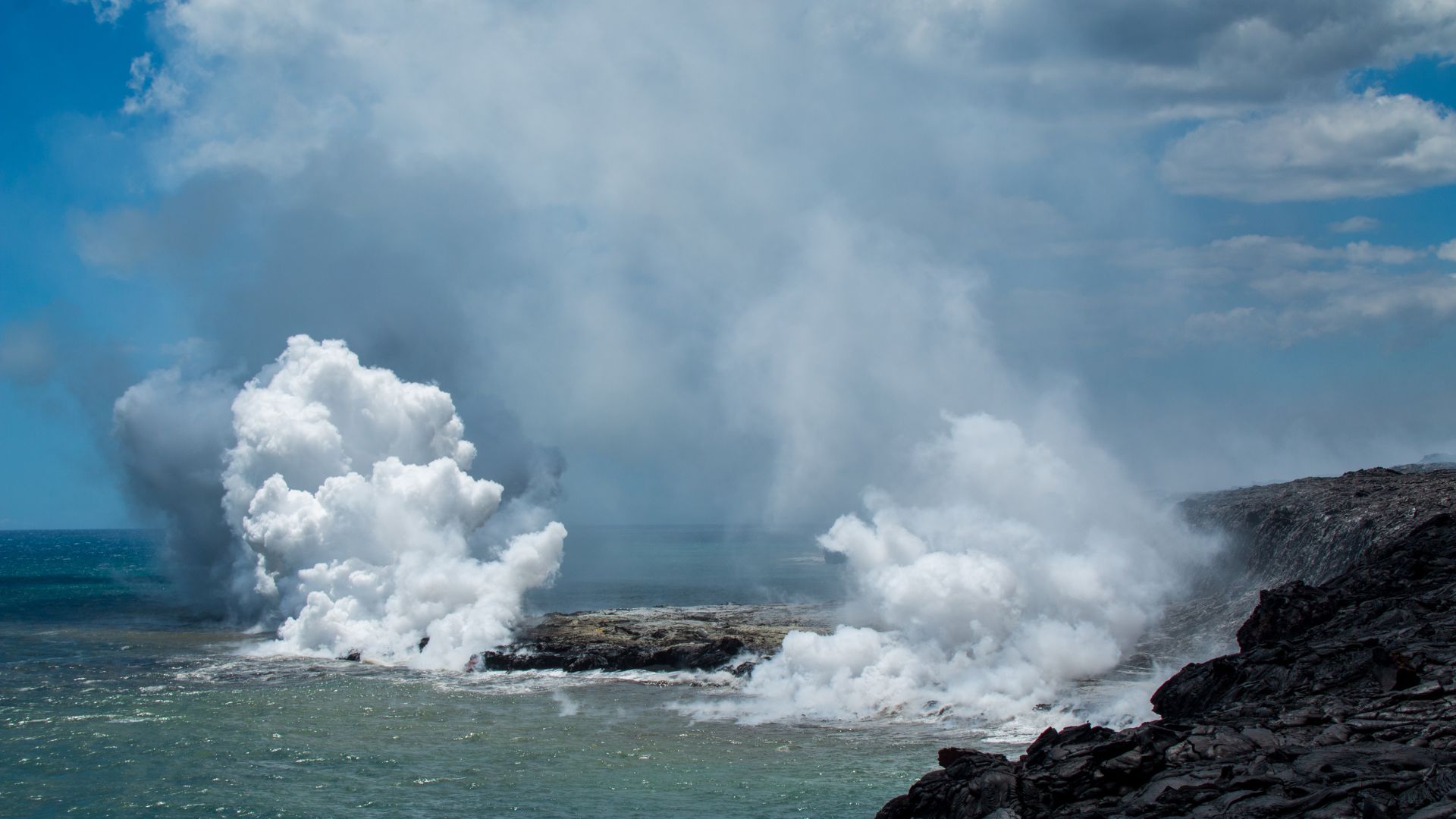
When lava from these volcanoes reaches the edge of the Big Island, it interacts with the Pacific Ocean. The lava emerges from the earth at temperatures of around 2,000 degrees Fahrenheit. This hot lava comes into contact with ocean water and instantly begins to boil it.
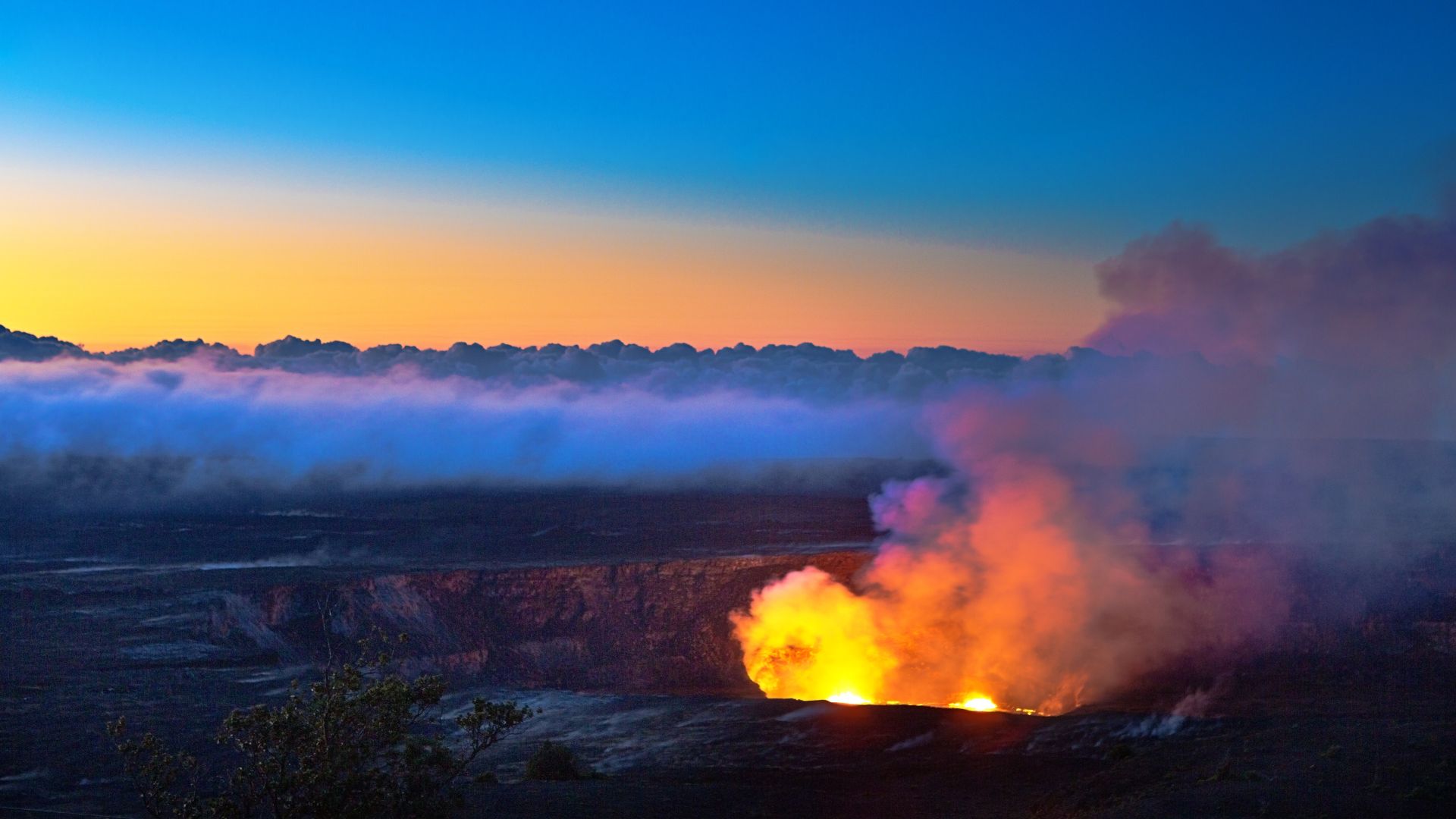
This boiling of the water creates plumes of steam visible from miles away; the steam contains hydrochloric acid and volcanic glass, a substance known as laze (lava haze). The lava also begins to cool; it shatters into black sand and accumulates on the ocean floor. Eventually, enough of these volcanically active mountains have accumulated to break the ocean’s surface; thus, the landmass of Hawaiʻi is continuously expanding.
A Living Laboratory
This location in Hawaiʻi is the subject of a living laboratory. Scientists continuously monitor volcanoes for gas emissions, earthquakes, and land swelling; all of these phenomena help scientists understand the movements of the magma that feeds these volcanoes.
It is one of the few locations on Earth where actively erupting lava can be studied, photographed, and sampled. Furthermore, because these volcanoes tend to exhibit slow, predictable eruption rates, they are among the most visually striking locations where individuals can safely take pictures of the Earth as it creates a new layer of rock.
 Read Exclusive Stories
 Bookmark & Save Articles For Later