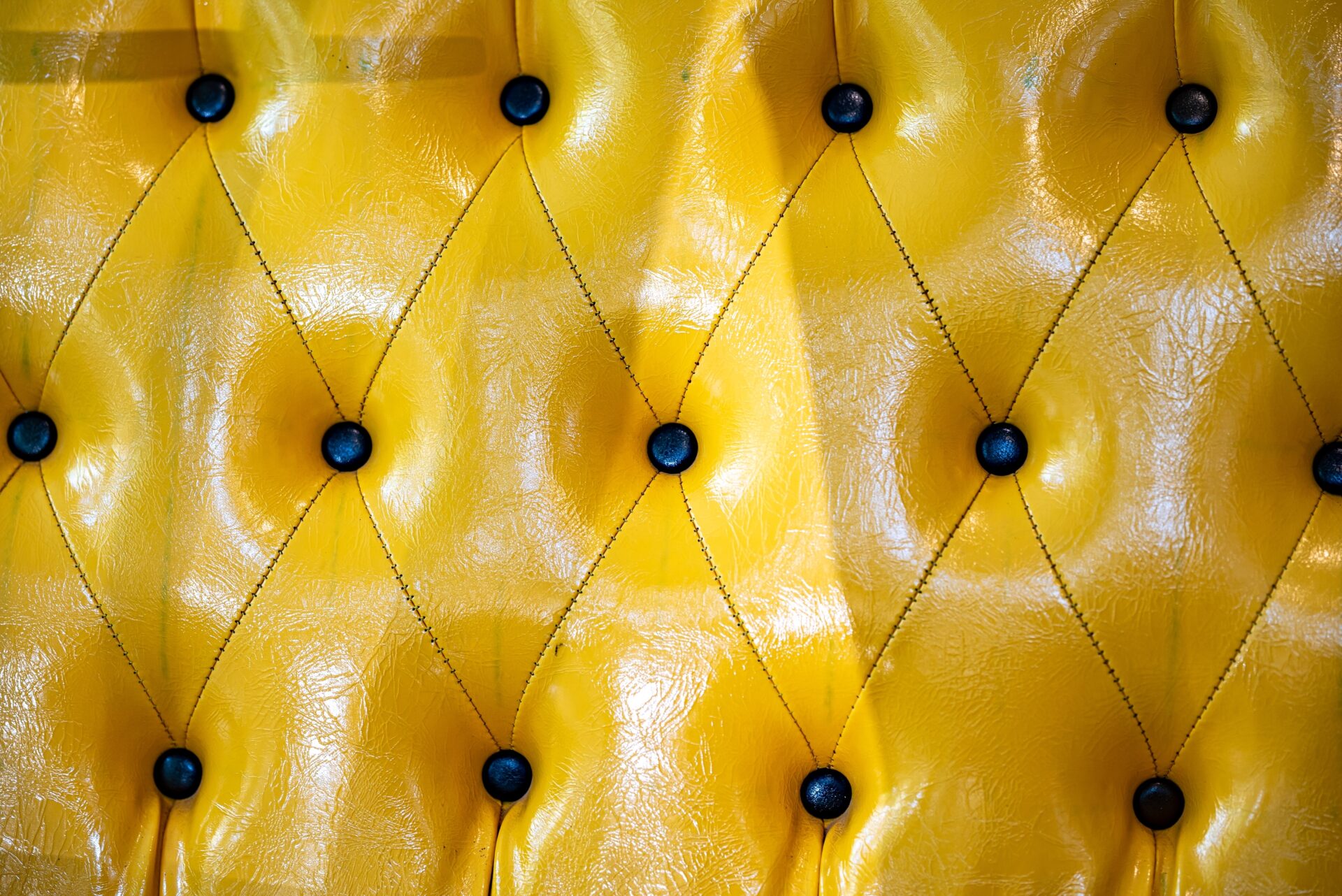
When you sit on a comfortable sofa, you probably do not think about what is inside it. You just see the soft cushions and the outer fabric. But underneath that surface lies a highly technical, centuries-old craft. Upholstery is the art of using fabric, padding, and springs to build or restore furniture. It is basically structural engineering wrapped in beautiful textile design.
The Physics of a Comfortable Seat
To understand upholstery, you have to look past the top layer. A great chair is built like a house. It starts with a solid wood frame. On top of that frame, an upholsterer installs heavy-duty webbing and springs.
The gold standard of this craft is called the eight-way hand-tied method. Here, the craftsman takes heavy steel coil springs and ties them to the frame—and to each other—using strong twine in eight different directions.
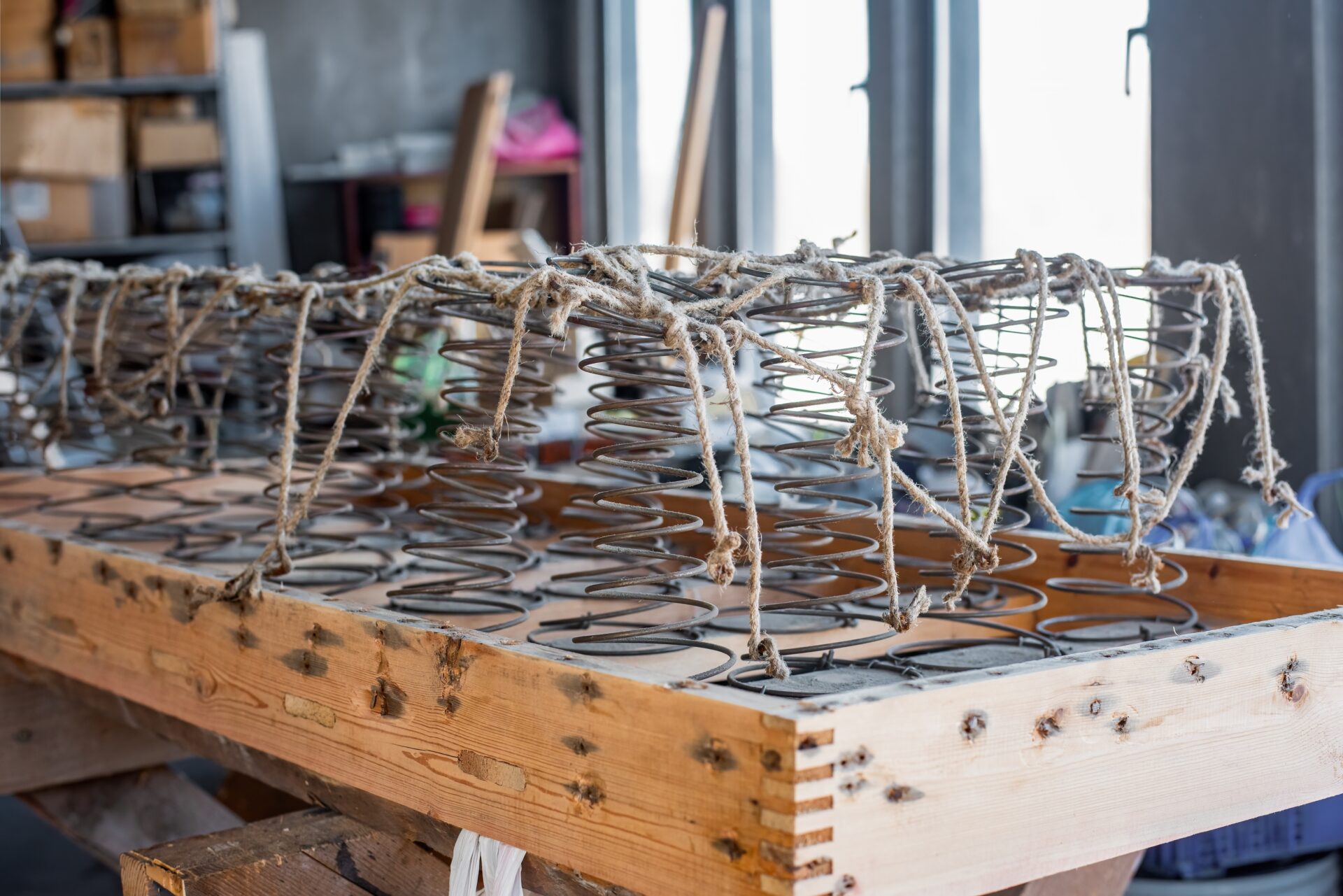
This requires real geometry and physics. The ties must be tensioned perfectly so the springs compress together when you sit down. If the tension is off by even a tiny bit, the seat will feel lumpy and wear out quickly. It is a balancing act that requires a lot of patience and hand-eye coordination.
Fighting the Waste Crisis
Advertisement
This craft is not just about making old chairs look pretty. It is actually a major tool in the fight for a healthier planet.
According to the U.S. Environmental Protection Agency (EPA), Americans throw away over 12 million tons of furniture and furnishings every single year. Sadly, about 80% of that bulky waste ends up in landfills. Most modern “fast furniture” is made of cheap particleboard and plastic foam that cannot be easily repaired. When it breaks, people simply toss it out.
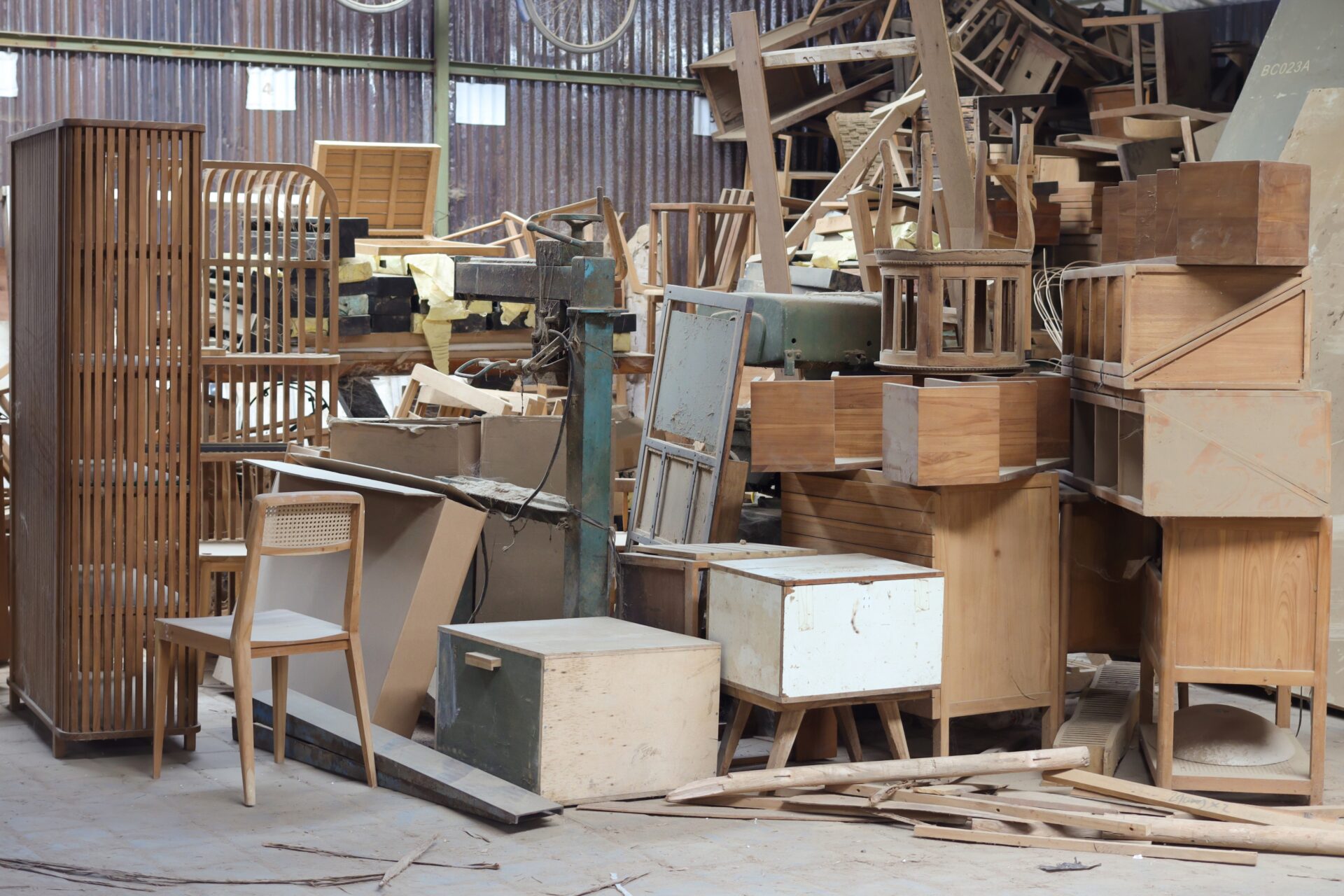
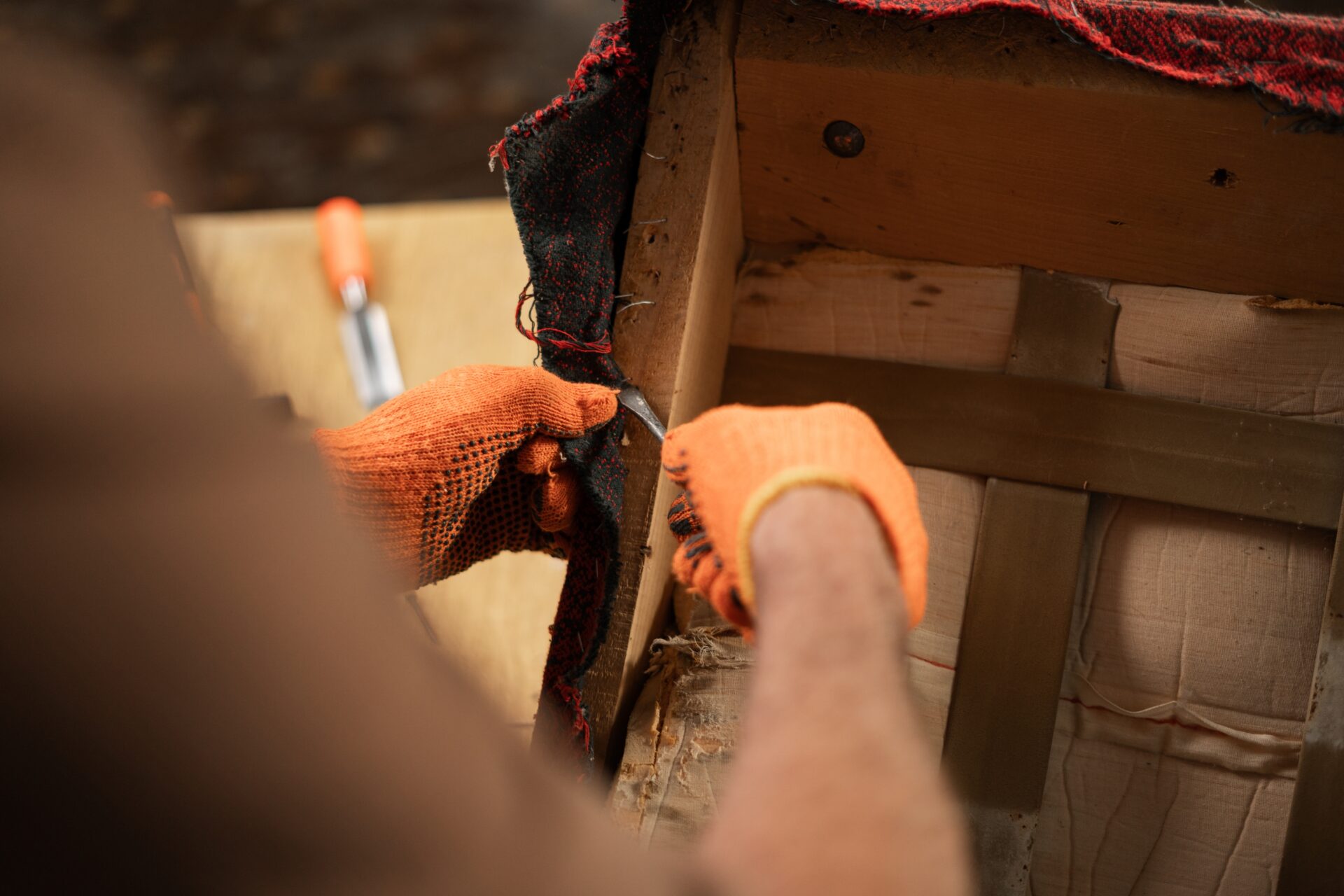
Traditional upholstery is the exact opposite of this throwaway culture. When you take a vintage, solid-wood chair and strip it down to its bare frame, you save a piece of history. You can replace the worn-out burlap, put in fresh padding, and sew on custom fabric. It is a highly creative form of recycling that turns a discarded object into a unique work of art.
Shaping Your Own Space
Upholstery gives you total creative control. You get to choose the exact texture of the linen, the pattern of the wool, and the firmness of the seat. It can be a bit intimidating at first because there are so many steps. You have to measure precisely, stretch fabric tightly, and learn how to hide staples and tacks. But there is nothing quite like sitting on a piece of furniture you rebuilt with your own two hands.
 Read Exclusive Stories
 Bookmark & Save Articles For Later