If you travel through northeastern Wyoming, you will find mostly flat prairies. But somewhere in that region, there is a massive pillar of rock that shoots straight up from the ground. This geological wonder is named Devils Tower.
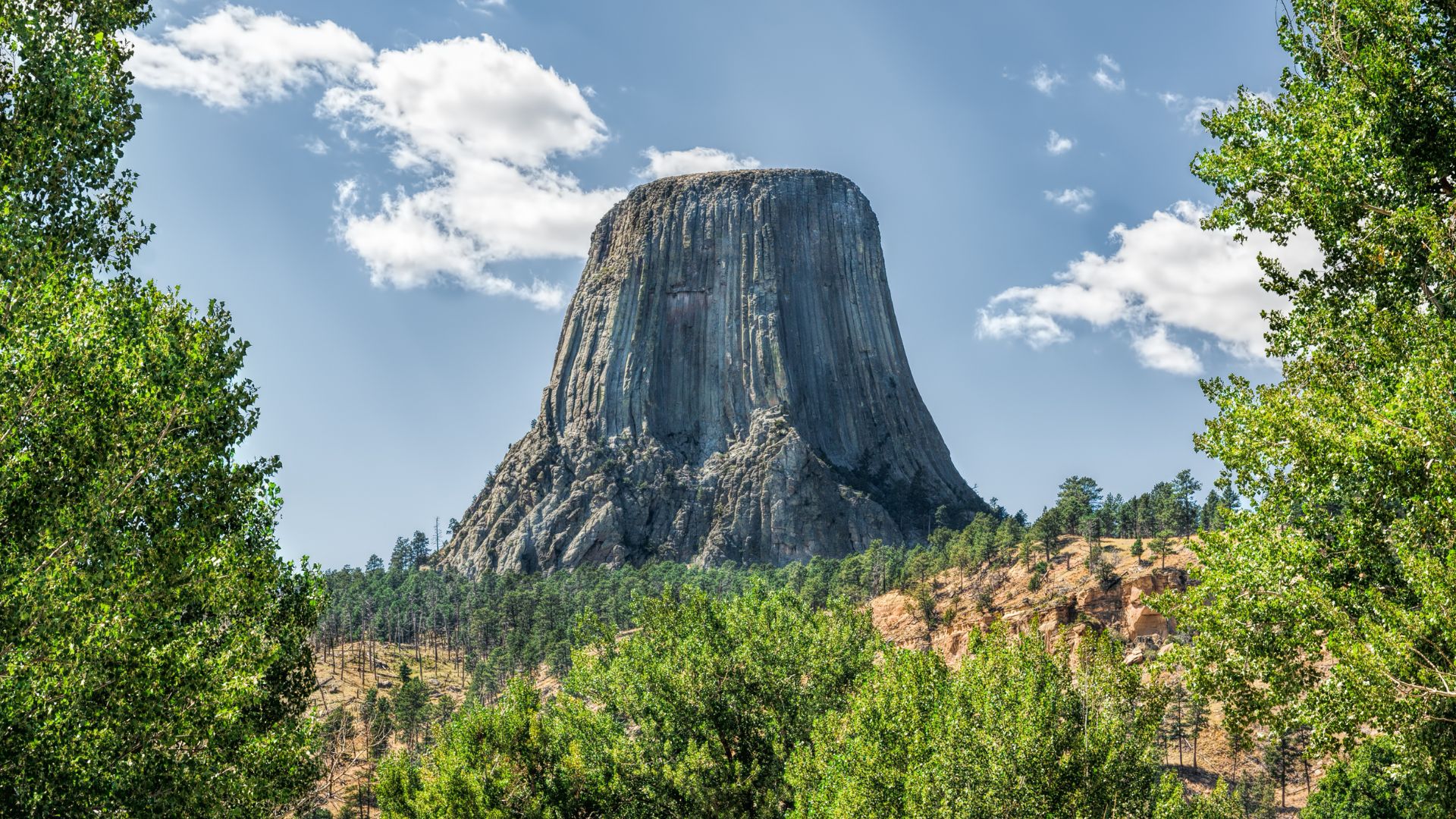
It is so visually striking that it became the very first National Monument in the United States in 1906. The location is also well known in the science fiction film Close Encounters of the Third Kind. But the science behind Devils Tower is even more interesting than the movies.
Ancient Magma Chamber
Around 50 million years ago, Devils Tower started as a pool of magma deep beneath the Earth’s surface. The magma slowly pushed upward, but it never erupted.
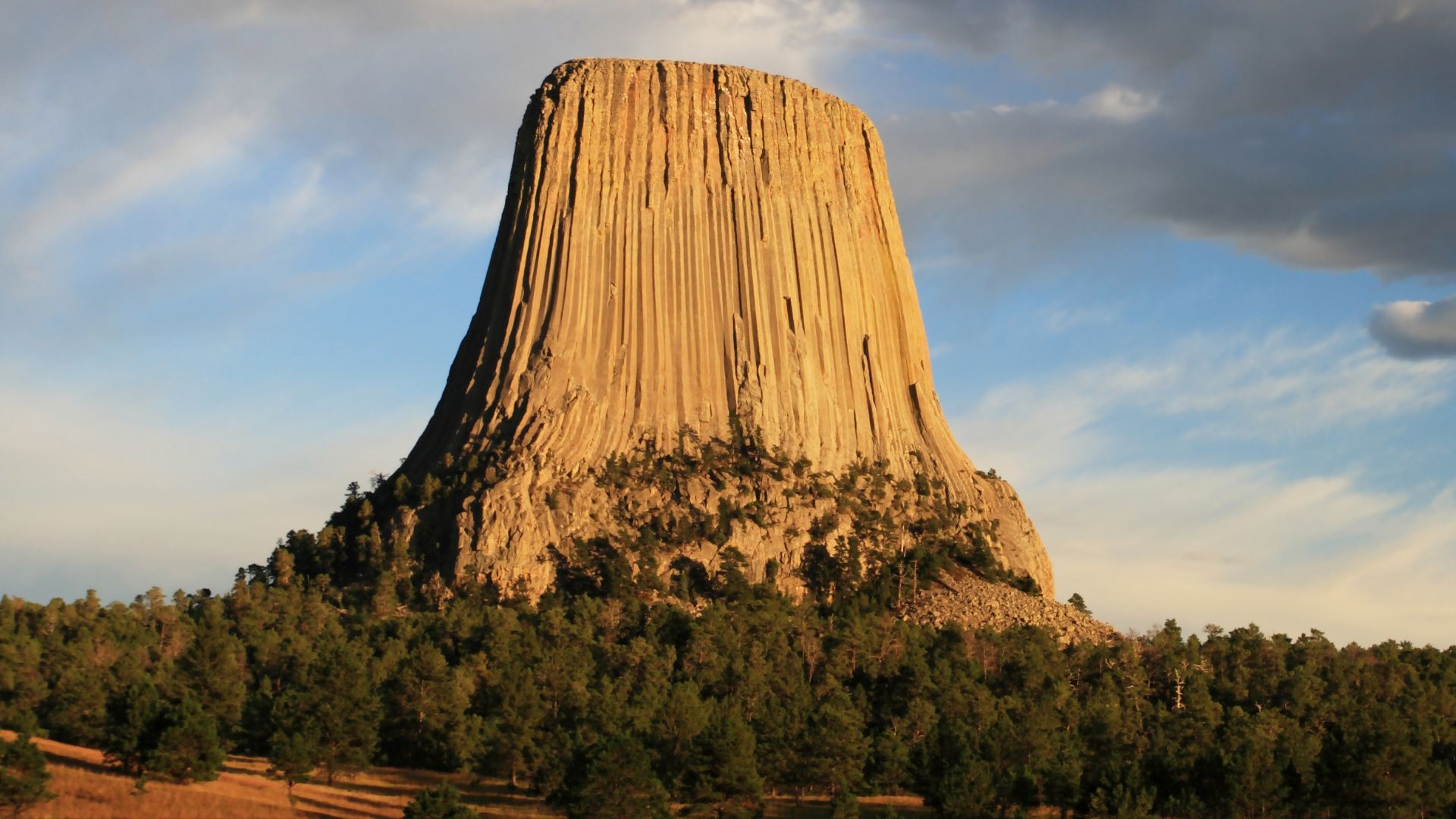
Instead, the magma chamber cooled and solidified into igneous rock. For millions of years, it remained covered by soil and sandstone. But over time, the weathering process wore away the overlying sedimentary rock. Devils Tower’s igneous rock was much more resistant to erosion, so it remained intact. As the surrounding land eroded, the rock was left exposed above ground.
Perfect Hexagons
Advertisement
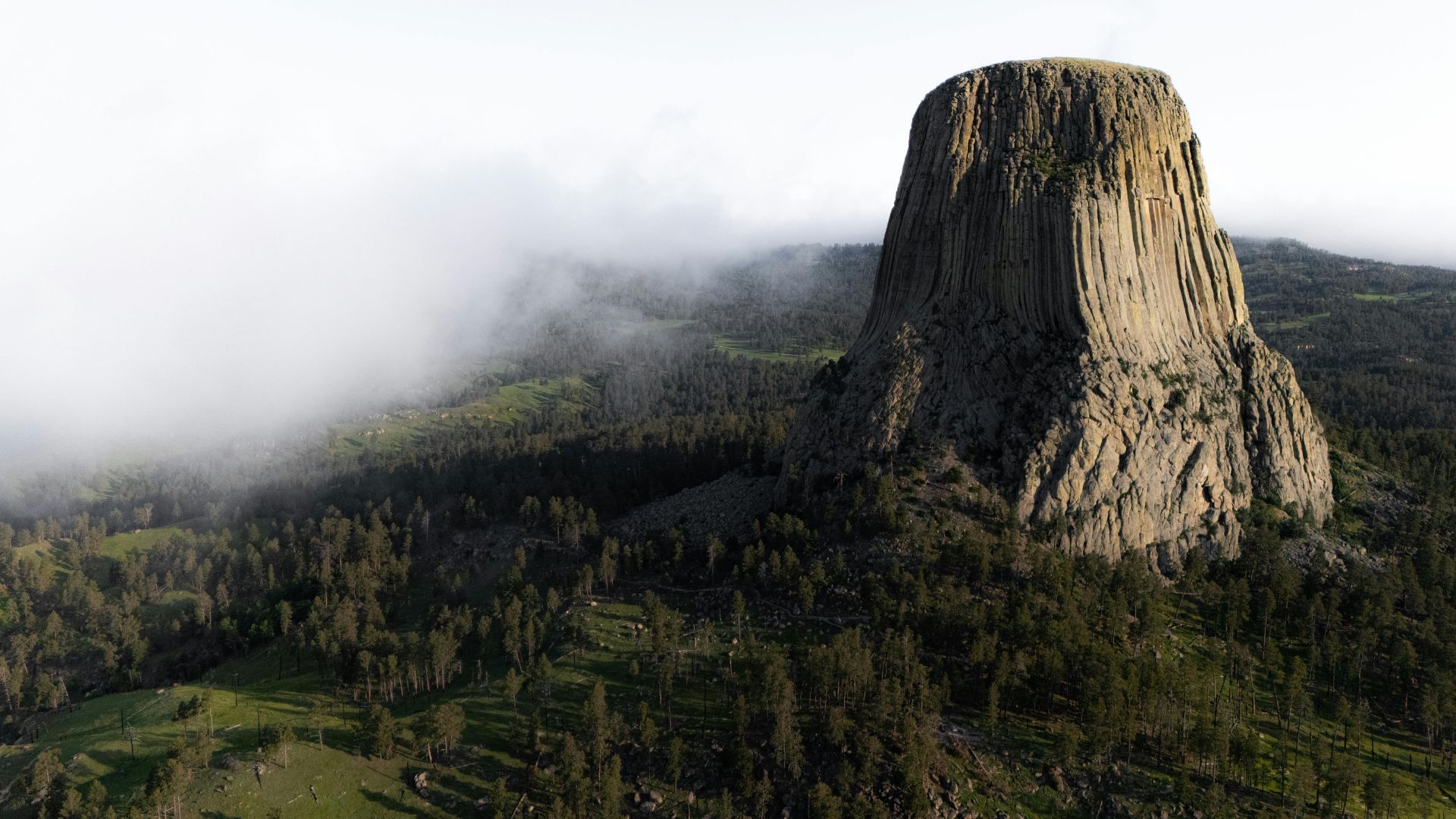
Devils Tower is composed of hundreds of vertical rock columns. These columns were created during the cooling of the magma chamber. As the lava cooled, it contracted. This contraction resulted in cracking of the rock, forming mainly six-sided hexagons. These cracks are referred to as columnar jointing. Similar formations can be seen in the Giant’s Causeway in Ireland. However, the size of the vertical rock columns in Devils Tower makes it an ideal location for close-up photography.
Sacred Spot
This landmark is sacred to many Native Americans. It is known as Bear Lodge to numerous indigenous tribes of the area.
The Kiowa and Lakota tribes believe the grooves seen on the area’s rock face are claw marks left by a giant bear that attempted to climb the rock. With respect to this belief, the park asks that visitors avoid climbing Devils Tower in June, when the indigenous tribes hold their ceremonies in the area. This spot for education about the park’s geography is a great location to feature on the podcast due to its distinct geology, visual appearance, and cultural history.
 Read Exclusive Stories
 Bookmark & Save Articles For Later