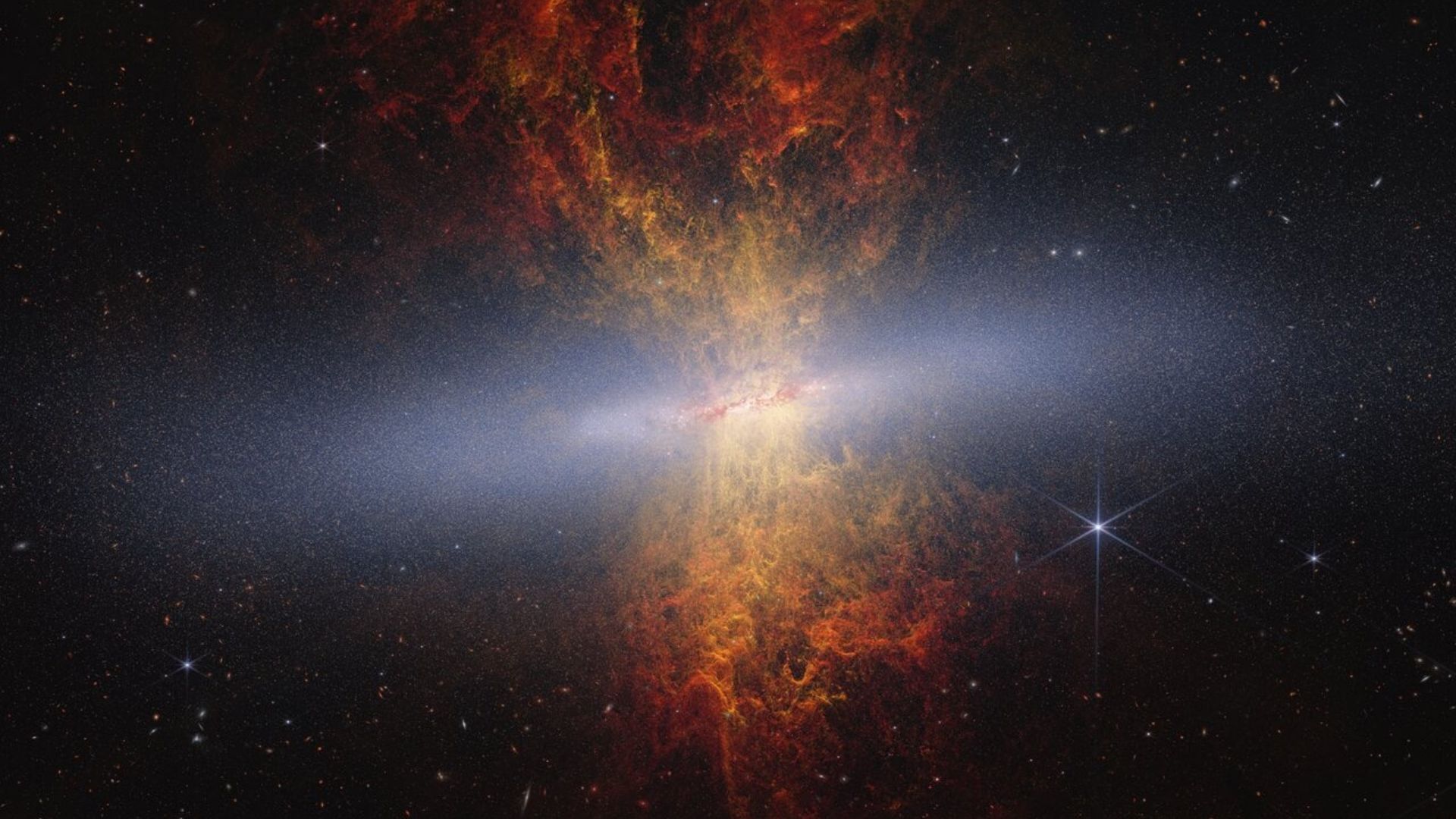
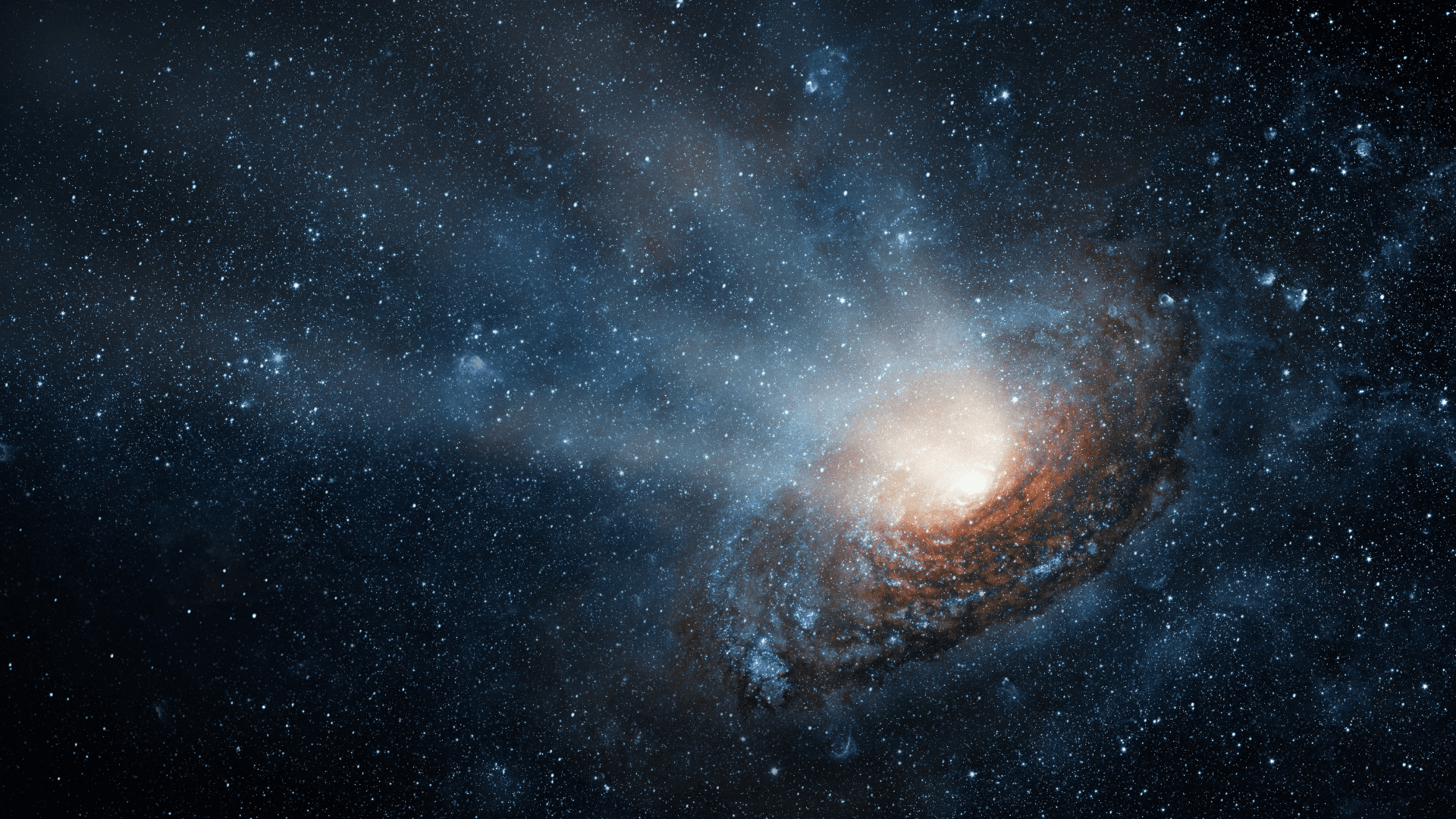
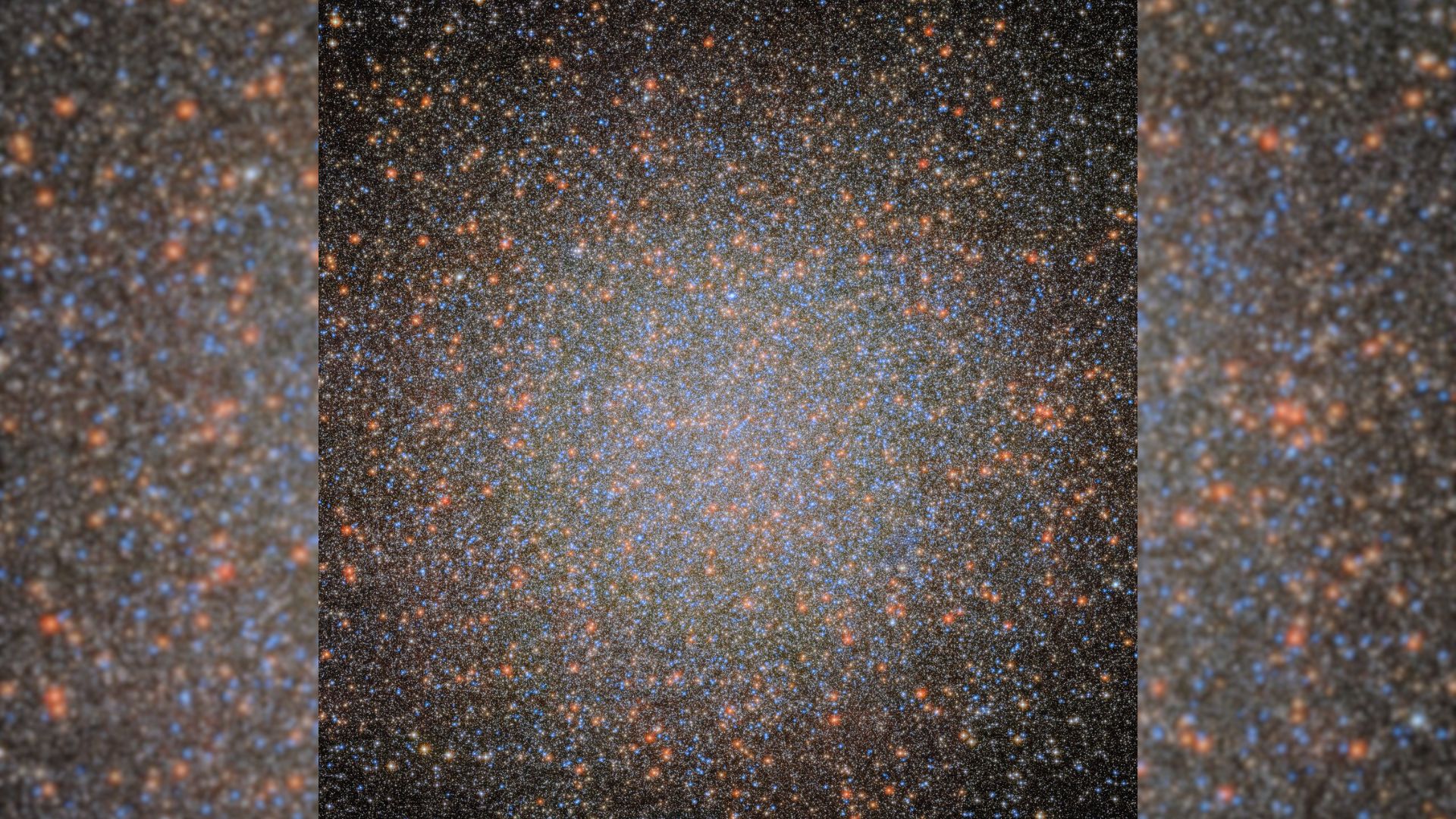
For decades, scientists have been scratching their heads over the massive group of stars known as Omega Centauri. About 18,000 light-years away and home to around 10 million stars, something is still missing.
When the universe’s largest stars expire, they leave behind black holes. Based on the math, there should be around 10,000 of these small black holes in this star cluster. Yet, nobody has been able to find them.
The Search That Spanned 20 Years
Given that black holes do not emit light, they are very difficult to detect. In the past, scientists have used the fact that space debris emits X-rays and radio waves as it spirals toward and orbits just outside a black hole’s event horizon. However, they came up empty with this group of stars.
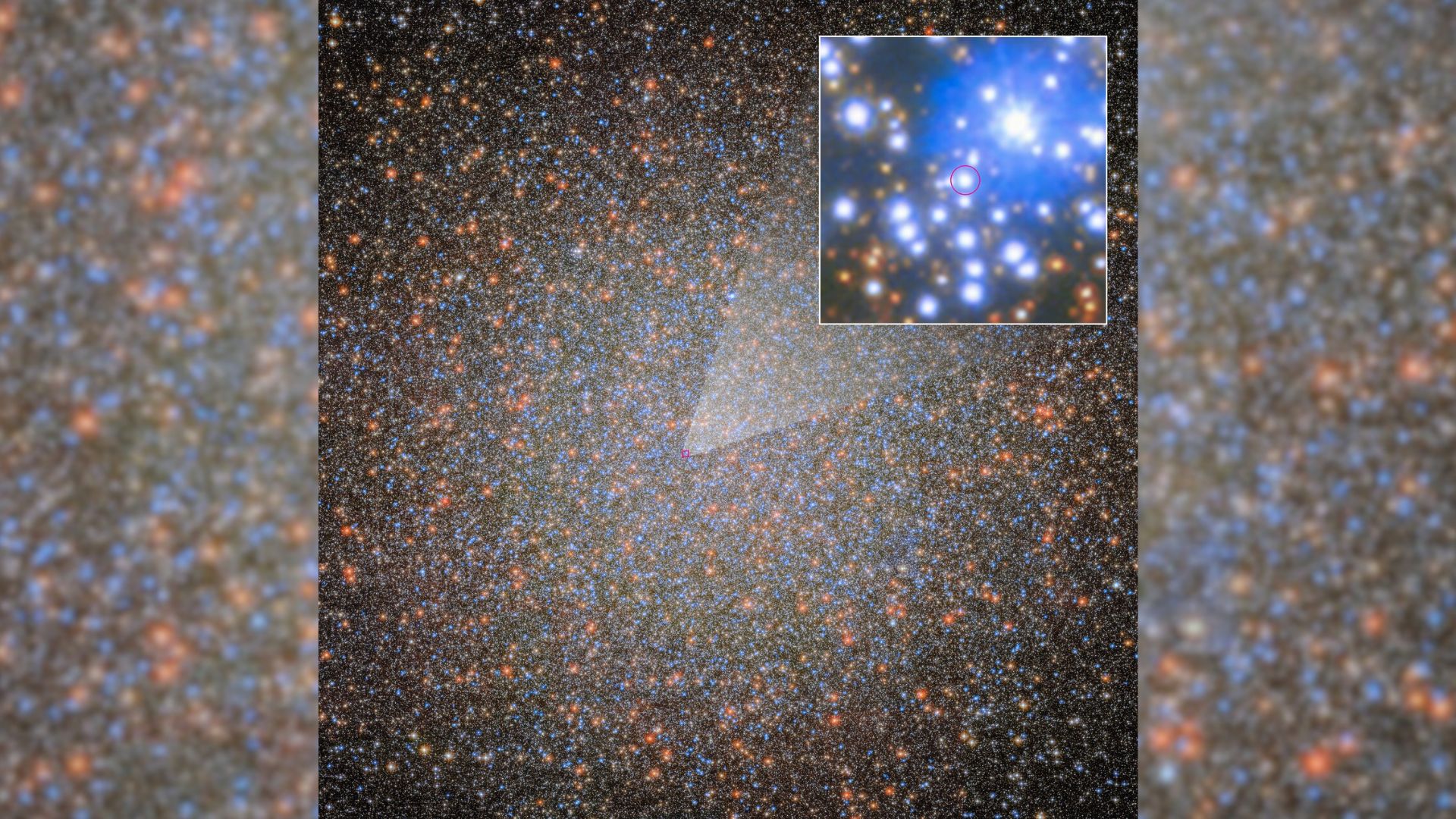
Instead, the scientists changed tactics and looked for normal stars whose movements indicated the presence of a black hole. By reviewing 20 years of archived Hubble Space Telescope images and adding new data from the James Webb Telescope, these astronomers found one.
Advertisement
The scientists’ observations showed that one star was wobbling along a specific path, suggesting the presence of a massive object of unknown composition. Yet, the object’s weight had to be a black hole.
A Weird Couple
Astronomers have named the newly found black hole oMEGACat BH-2. This is the first ever recorded black hole in this star cluster. Not only is it acting strangely, but its characteristics are a little off from what scientists expected.
For starters, it weighs in at only 4.5 times the mass of our Sun. This is much less than the scientists had expected to find in this region of space. The visible star takes 94 years to complete one orbit of the black hole. This is the longest period for an object of these two classifications to take to complete one orbit. On top of that, the two stars are very far from one another to have formed as a pair themselves. The theory is that they merely collided with one another in the crowded star cluster.
Why This Finding Matters
Although the number of black holes in this star cluster may seem staggering at 10,000, the finding of only one is of great importance to the study of the universe.
Understanding the nature of these black holes and their interaction with other stars may uncover the secrets of gravitational waves. Furthermore, it demonstrates that studying the universe using old telescope images can reveal new findings. Scientists are currently searching for the other black holes in this star cluster. Therefore, more findings may soon emerge about these objects of curiosity.
 Read Exclusive Stories
 Bookmark & Save Articles For Later