Scientists at CU Boulder and Columbia figured out how to 3D-print natural earth into strong building materials. The secret is sodium alginate, a seaweed extract used to make ice cream creamy.
“From termite mounds to adobe buildings, humans and animals have been building with earth since the dawn of time,” said Wil Srubar, professor in the Department of Civil, Environmental and Architectural Engineering. “But there hasn’t been a lot of science to how earthen builders design the materials. So, we wanted to use scientific knowledge and tools to understand it.”
Turning Seaweed into Construction Materials
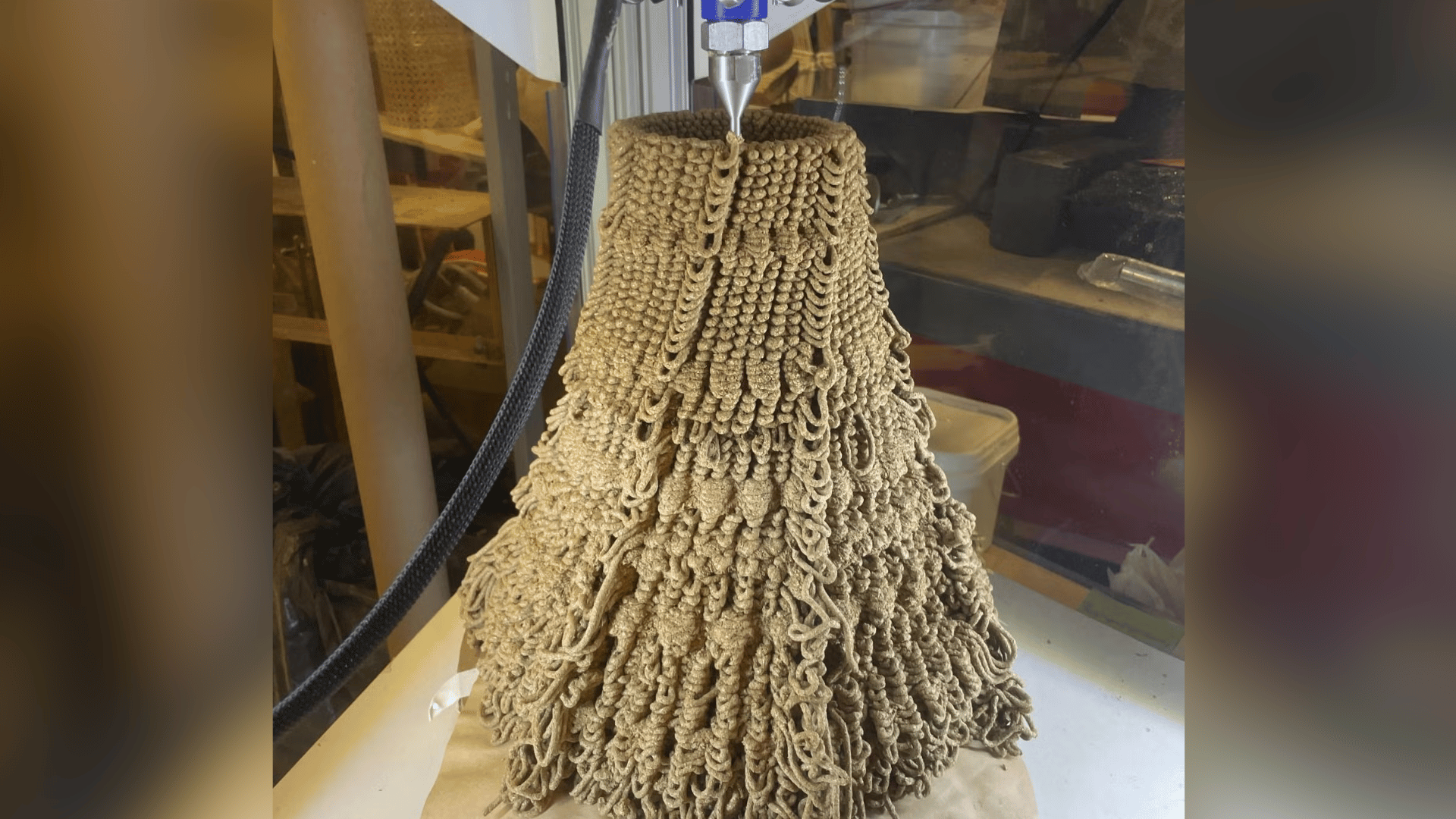
The team tested five natural glues to see what could hold dirt together in a 3D printer. Some, like locust bean gum, made the dirt too thick.
Sodium alginate did the opposite and changed the clay’s electrical charge so the particles pushed away from each other. This let the mud flow smoothly through the printer.
Advertisement
By adding just 0.12% sodium alginate to earth excavated in Colorado, the mixture printed 33% faster and handled 25% more pressure than plain dirt. They even printed a small wall leaning at 60 degrees without it falling over.
Helping the Builders
Construction projects dig up massive amounts of dirt that usually just goes to landfills. This method lets builders reuse that dirt right where they dig it up.
“Our study suggests that there are ways to reuse waste earth material onsite, and that could largely reduce the environmental footprint of construction,” said Samuel Armistead, a research associate.
He added that earth walls have actual benefits for the people living inside. Armistead said, “It can regulate indoor moisture and uptake air pollutants. It can also serve as a thermal insulator, keeping things cool in the summer and warm in the winter.”
“Clay and sand are among the most abundant building materials on Earth,” Srubar explained. “The science and engineering we’re developing can be applied almost anywhere in the world.”
 Read Exclusive Stories
 Bookmark & Save Articles For Later