Scientists used the James Webb Space Telescope to closely observe an interstellar visitor. The object was a comet named 3I/ATLAS. This is the third known interstellar comet to visit our solar system.
When the comet passed near the Sun in the past year, the heat caused some of the comet’s ices to melt. Scientists took the opportunity to examine the comet’s composition by pointing the James Webb Space Telescope at it before it began moving away from our solar system.
A Frozen Time Capsule
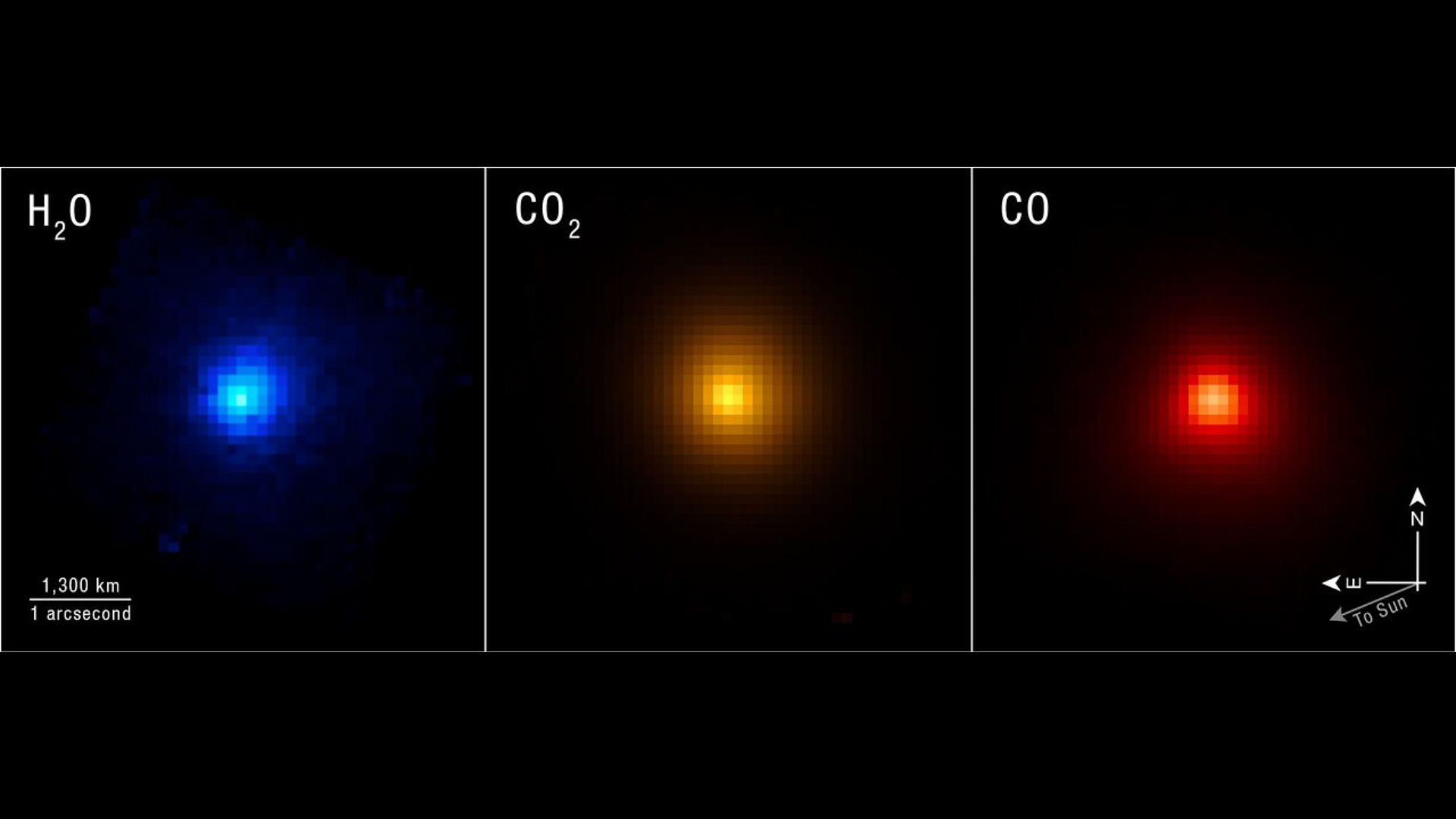
Using the NIRSpec instrument on the telescope, scientists mapped the different chemicals within the comet. The makeup of the comet was drastically different from the chemistry of comets that exist within our own solar system.
For instance, the interstellar comet contained 30 times more heavy hydrogen (deuterium) than comets within our own solar system. Additionally, there were also different forms of carbon within the interstellar comet.
Based on chemical analysis of the comet, scientists have calculated its age. The calculations suggest that the 3I/ATLAS comet was formed somewhere between 10 and 12 billion years ago. This time period in the universe’s development is referred to as “cosmic noon,” a time when star formation was at a massive rate. The interstellar comet formed within a cloud of gas and dust during this time when the universe was still young and deeply frozen. Since then, it has been traveling through space.
Advertisement
Is Our Solar System the Odd One Out?
This new finding about the 3I/ATLAS comet is significant for our understanding of the universe because it allows scientists to sample the composition of the rest of the galaxy. Scientists only know of one object in the universe that contains the chemicals necessary to form life: Earth.
By studying objects like this 3I/ATLAS comet, scientists can determine whether the materials that make up our own solar system are common throughout the universe, or whether they are rare objects. Thus, this research allows scientists to better understand how common our solar system and its potential to support life are on the grand scale of the universe.
What Comes Next
There are still several unknowns regarding this interstellar comet. The discovery of a single ancient comet does not answer all the questions about the formation of life in space.
However, the James Webb Space Telescope will continue to monitor the skies for any other interstellar comets that may appear within our solar system. By examining the chemical composition of any new comets that are discovered through this means, scientists will be able to gain an even more complete understanding of the universe and the potential for life beyond our own solar system. All of this information has been published in the scientific journal Nature this week. Though it is a slow process to discover and publish research about these types of objects, each new piece of information shares a story about the universe – and how we fit within it.
 Read Exclusive Stories
 Bookmark & Save Articles For Later