A forest may look like a collection of individual trees, but that’s not the full story. Beneath the ground, an invisible network connects many plants and trees through tiny fungal threads. Scientists have spent decades studying these underground systems, and what they’ve found has changed the way we think about forests.
The Underground Partnership
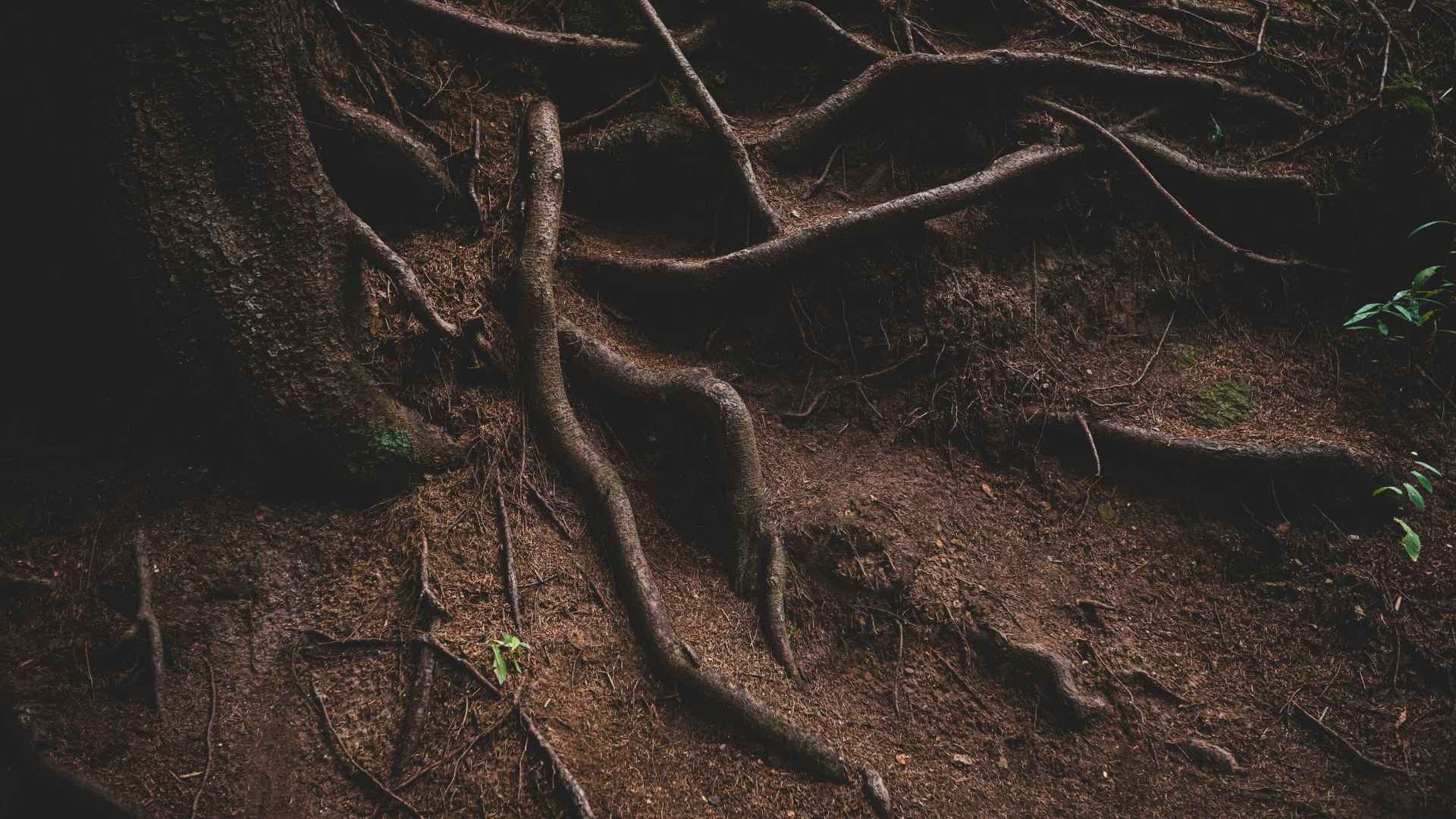
The network is formed by fungi that attach to tree roots. These fungi and trees help each other survive. The fungi collect water and nutrients from the soil. In return, the trees provide sugars created through photosynthesis. This relationship, called a mycorrhizal network, exists in forests around the world.
What’s especially interesting is that these fungal connections can link multiple trees together. Research has shown that nutrients and chemical signals can move through these networks. In some cases, older trees have even been observed sharing resources with nearby younger seedlings. That’s one reason some scientists refer to these systems as the “wood wide web.” The nickname is catchy, but the science behind it is real.
More Connected Than We Realize
Advertisement
Researchers have found that trees under stress from insects, drought, or disease can trigger chemical responses in neighboring plants. Scientists are still learning exactly how these interactions work and how much information is being shared. Forest ecosystems are incredibly complex, and we still don’t fully understand much. But here’s the thing: even with unanswered questions, one lesson is becoming clear. Nature is often more connected than it appears.
For years, people viewed trees as competitors fighting for sunlight, water, and space. Competition certainly exists. But cooperation exists too. Healthy forests depend on countless relationships between plants, fungi, insects, animals, and microorganisms. No species thrives completely alone. That idea has practical value today. As climate change, wildfires, and habitat loss put pressure on forests worldwide, scientists are studying these underground networks to better understand how ecosystems recover from stress. The more we learn, the better equipped we are to protect some of Earth’s most important natural resources.
Lessons From the Forest
Forests help clean our air, store carbon, support wildlife, and regulate water systems. They do far more than provide beautiful scenery. And they may have something to teach us. The strongest forests are not simply collections of individual trees. They are communities connected through relationships that often remain hidden.
The same can be true for people. Much of what supports our lives happens behind the scenes. Families, friends, teachers, neighbors, and mentors all contribute in ways we may not always notice. The next time you walk through a forest, remember that there is another world beneath your feet. It’s quiet, unseen, and constantly at work. And it reminds us that connection is one of nature’s most powerful tools for survival.
 Read Exclusive Stories
 Bookmark & Save Articles For Later