Early detection is one of the biggest challenges in medicine today. Most people don’t find out they have cancer until they feel a lump or start having symptoms, and by then, it can be much more difficult to treat. That’s why a new blood test called Cancerguard is getting a lot of attention.
Here’s a quick look at this innovative blood test and how it might change the way we think about health screenings.

What Is The Test?
Think of your blood as a highway that carries information throughout every part of your body. Normal cells release tiny bits of DNA and proteins into your bloodstream, and cancer cells do the same thing with different markers.
Cancerguard® is a multi-cancer early detection (MCED) test that uses a single blood draw to detect specific signals. Instead of checking for just one type of cancer, like a mammogram or a colonoscopy, it scans for signals associated with many different types at once.
How It Works
All it takes is a simple blood draw. You can have it done at your doctor’s office, a local lab, or even have a professional come to your house to collect the sample. Once the blood is sent to the lab, a specialized program is used to analyze the DNA and protein markers. Approximately two weeks later, patients get a result that is either positive or negative for a cancer signal.
Who Is It For?
The test is not intended for people who people who have had cancer in the past 3 years or for women who are pregnant.
It’s important to know that this isn’t meant to replace your regular checkups. You still need to get your regular screenings, but this is an additional tool to use alongside those screenings.
Can It Find Everything?
The short answer is no. While the Cancerguard® test can help detect over 50 different types and subtypes of cancer—including things like lung, pancreatic, and liver cancer—it is not expected to detect every cancer type.
Advertisement
Some cancers don’t typically
release enough DNA into the blood for the test to detect. . Some cancers don’t release enough DNA into the blood for the test to see.
What Does a Negative Result Mean?
No test is perfect. A negative result doesn’t mean you are 100% cancer-free, but it does mean no signals were found at that time. Which is why regular screening is important and something you should discuss with your provider.
What Happens If The Result Is Positive?
If the test finds a signal, it doesn’t mean you definitely have cancer. Acting more like a “check engine” light in your car, it simply alerts your doctor that something needs a closer look.
The next step is usually additional testing, such as a CT scan or PET-CT, to determine whether there is an actual tumor and where it is located. The company also provides “Care Navigators” to help you and your doctor figure out the best path forward.
Changing The Field
The medical world is moving toward “proactive” care rather than “reactive” care. By finding cancer before someone even feels sick, doctors have a much better chance of treating it successfully. Tests like Cancerguard are a big part of that shift, making it possible to catch things that used to stay hidden until it was too late.
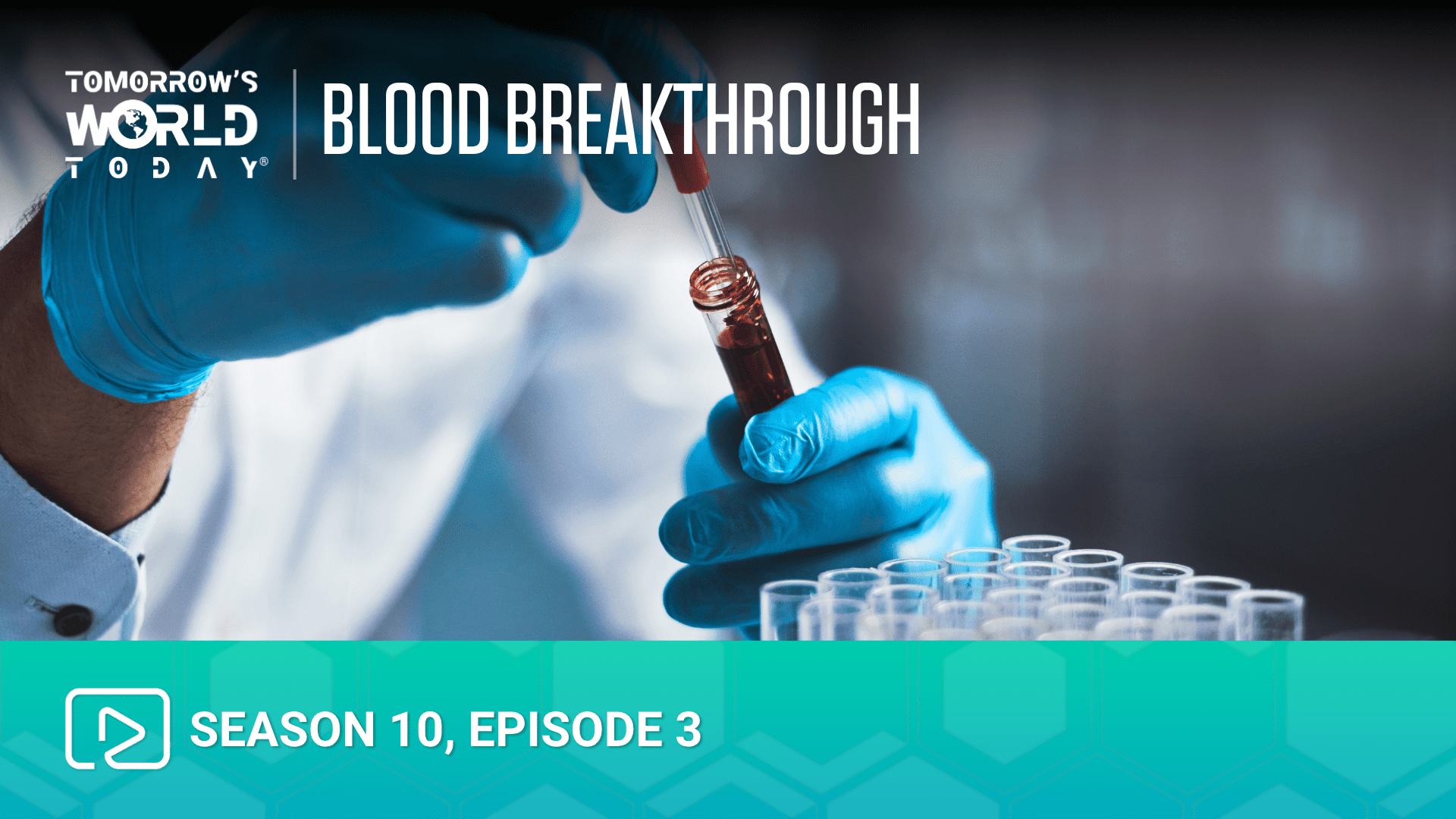
Blood Breakthrough will air on the Science Channel on Saturday, May 23rd at 10 am ET. It will also air on the Discovery Channel on Sunday, May 24th at 7 am across all time zones.
 Read Exclusive Stories
 Bookmark & Save Articles For Later