Researchers at North Carolina State University have found a way to track rare-earth elements inside living plants without hurting them. Importantly, these metals are the backbone of modern tech, but they are hard to find in high concentrations. While the U.S. usually buys them from other countries, there is a push to find them closer to home, specifically in the toxic soil of old mines or polluted ponds.
The problem is that even though this “toxic” soil has more rare-earth metals than usual, it is still not enough to make traditional mining worth the money. However, some plant species act like little sponges, soaking up these metals and storing them in their leaves.
Plant X-Rays for Rare-Earth Metals
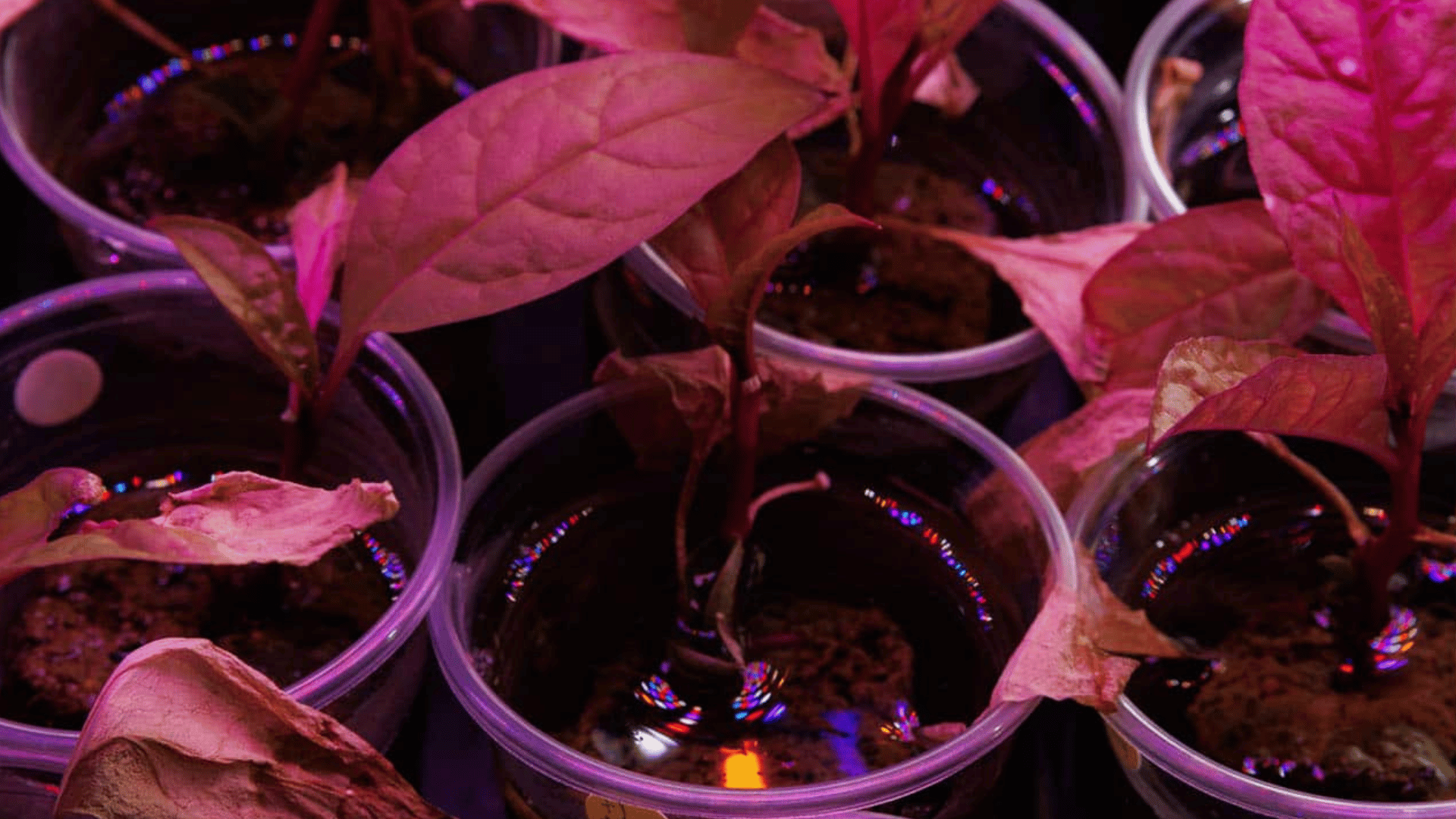
To make this “plant mining” work, scientists needed to know exactly how much metal a plant has inside it and when it is the best time to harvest. Usually, you’d have to destroy the plant to find out. Instead, the team used fluorescence spectroscopy that hits the plants with a laser, which makes certain elements glow.
“Plant matter itself fluoresces across a broad range of wavelengths,” said Colleen Doherty, an associate professor at NC State. “So one challenge has been distinguishing the autofluorescence of the plant itself from the fluorescence of rare-earth elements the plant has taken up.”
Advertisement
The team focused on a metal called dysprosium. It stays “glowing” a bit longer than the plant’s natural light, which makes it easier to spot. They also used a chemical called sodium tungstate to make the metal’s light even brighter.
A Cleaner Way to Mine
By using this light-based trick, the researchers can measure the metal concentration in seconds.
“This technique can be done very quickly and we’re excited that we can conduct the testing without destroying the plant, which allows us to test the same plant repeatedly,” Doherty said. “This is critical for helping us determine the best time to harvest these plants in order to get the optimal concentration of rare-earth elements in the plants’ tissue.”
By growing these plants in polluted sites, we can pull out contaminants and turn them into useful resources. “We’re optimistic that this can make a real difference for both our manufacturing sector and the environment,” Doherty explained. “It could be an important part of our rare-earth supply chain moving forward.”
 Read Exclusive Stories
 Bookmark & Save Articles For Later