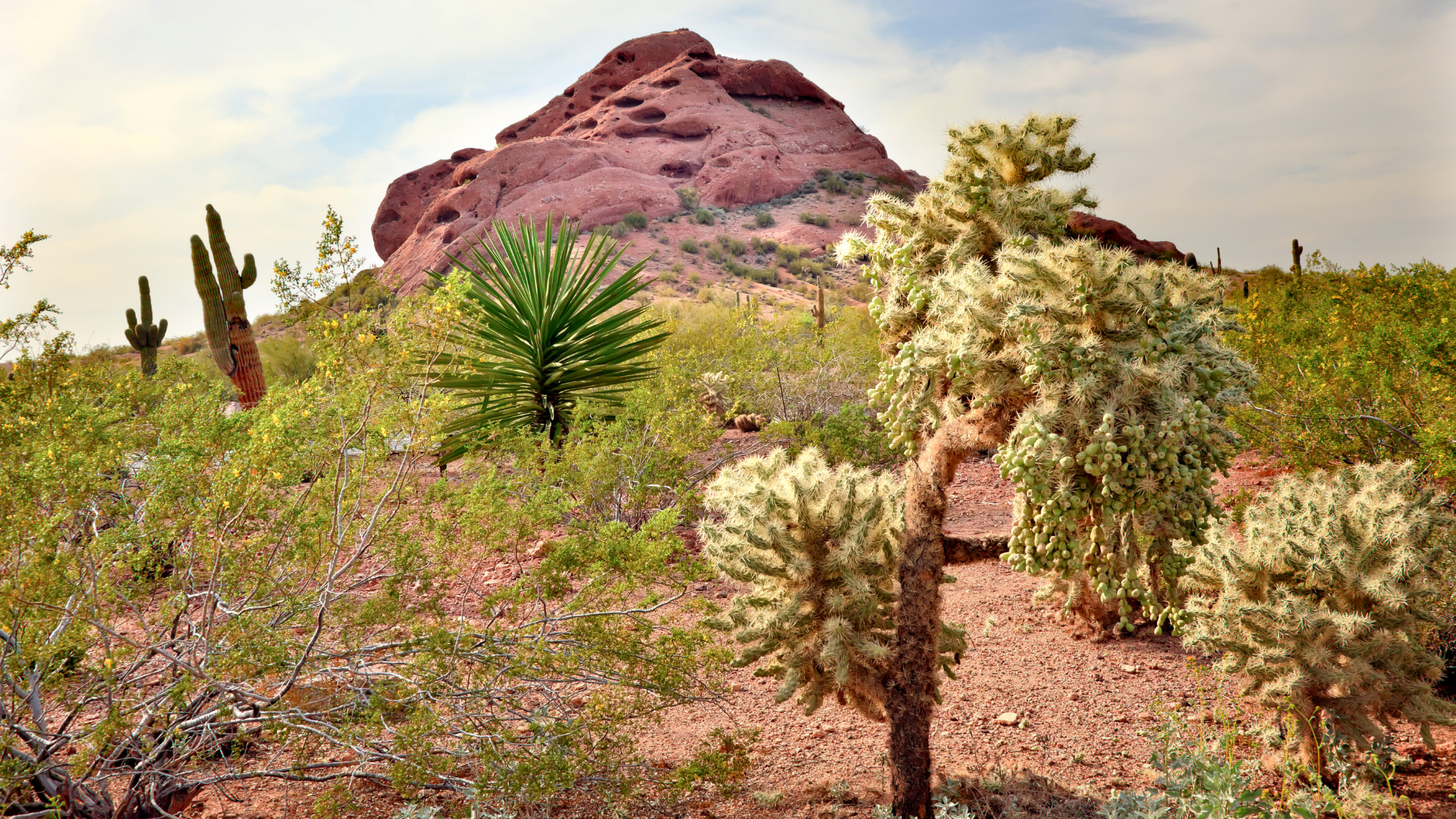
Following a document-based investigation, a marble bust in one of Rome’s basilicas has been re-attributed to Michelangelo after nearly 200 years.
“We have lived here since 1412, and the monumental complex of Sant’Agnese always holds surprises — this is one of them,” Franco Bergamin, of the Order of Lateran Canons Regular, told a press conference.
Michelangelo’s Marble Bust
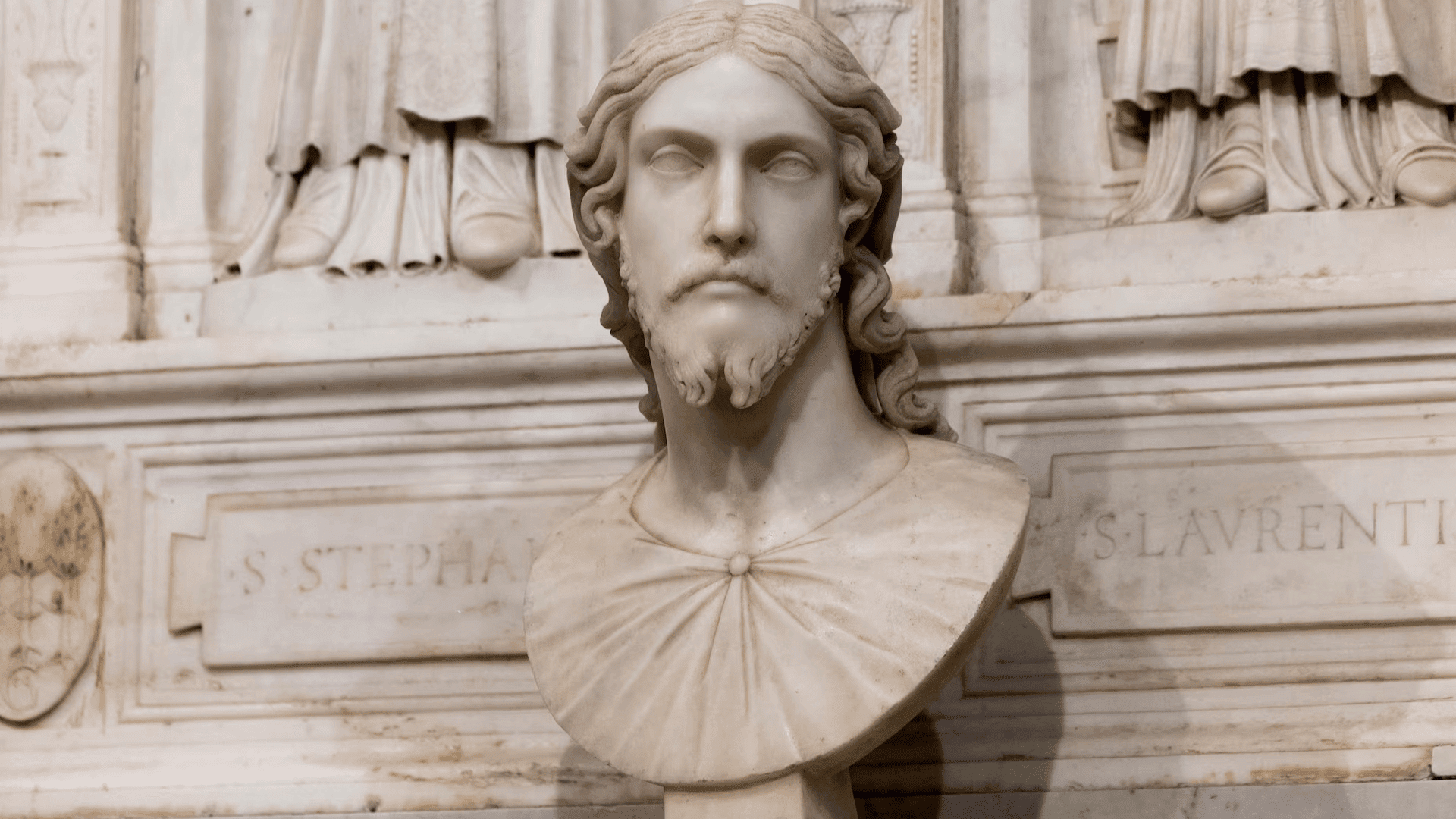
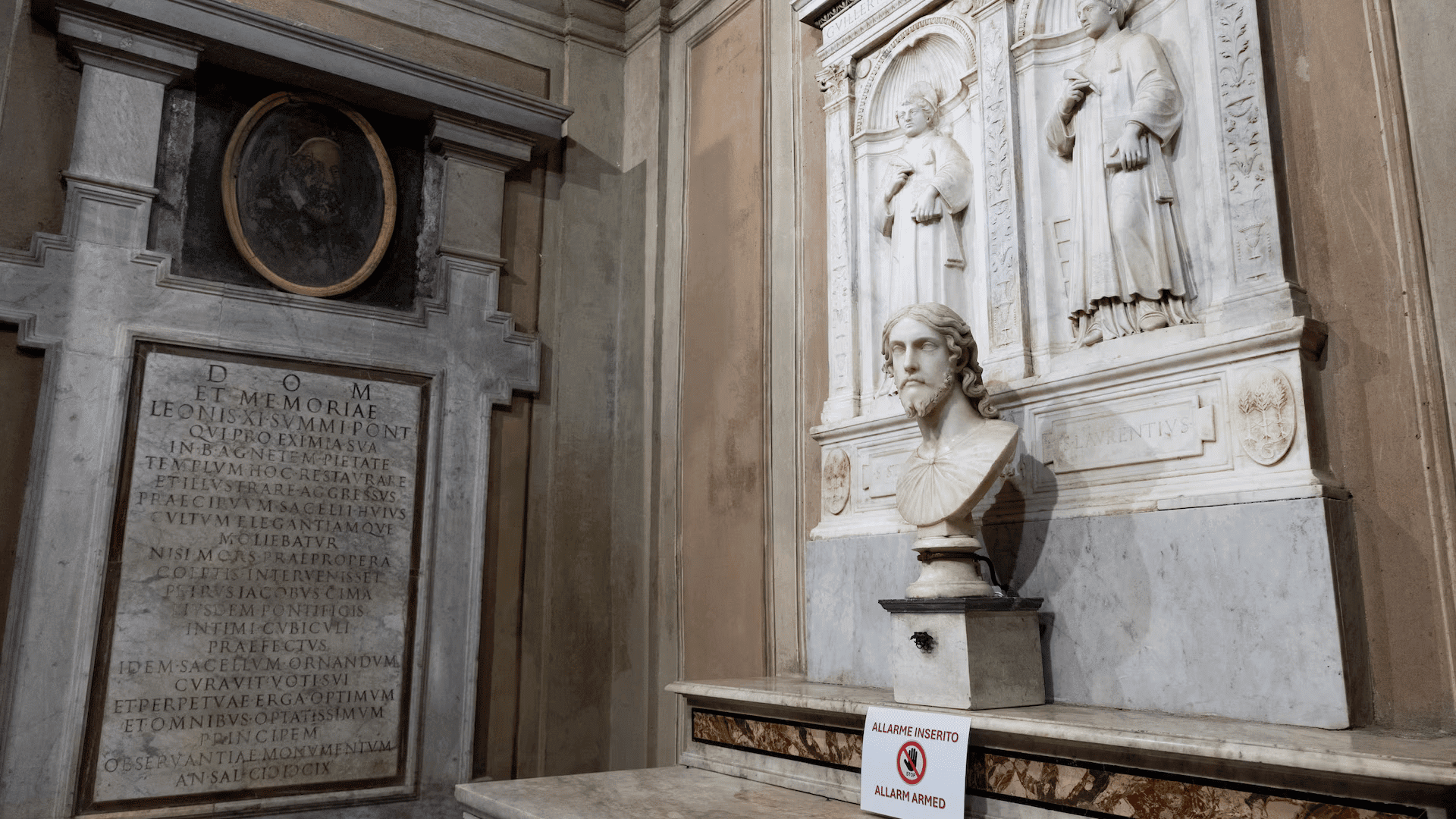
The sculpture has been preserved in the Basilica of Sant’Agnese fuori le mura in Rome’s ancient Via Nomentana. Though the work was originally attributed to Michelangelo in the early 19th century, it later lost its association with the artist and remained anonymous until recently.
Valentina Salerno, an Italian independent researcher and member of the Vatican committee for the celebrations marking the 500th anniversary of Michelangelo’s birth, re-attributed the sculpture to the artist.
Advertisement
Rather than stylistic analysis alone, Salerno’s research is based on long-term archival work. It draws on notarial records, posthumous inventories, and indirect correspondence linked to Michelangelo’s final years in Rome.
“I am not an art historian — in fact, I don’t even have a university degree — but the strength of my research lies in its reliance on public archival documents,” she said, describing herself as something of an investigator.
The documents challenge the idea that Michelangelo destroyed works late in life, suggesting instead that drawings, studies, and marble sculptures were carefully transferred within a trusted circle posthumously.
One of the examined documents refers to a locked room that had been created to safeguard valuable materials. When the room was emptied, its contents were transferred to religious institutions and secondary storage sites, rather than entering the art market. The Sant’Agnese bust appears to be part of this process.
“At Michelangelo’s death, every powerful ruler would have wanted to claim something of the master. But the artist carefully devised the transfer of the material in his possession so that his art could be passed on to his pupils and thus to future generations,” Salerno said.
 Read Exclusive Stories
 Bookmark & Save Articles For Later