Germany produces about six million tons of ash every year from burning household trash alone. Usually, this “bottom ash” is processed to pull out metals, leaving behind a mineral mix that mostly sits around. Researchers in Cologne and Aachen are using that ash to trap carbon dioxide and turn it into building materials.
From Waste to Roads
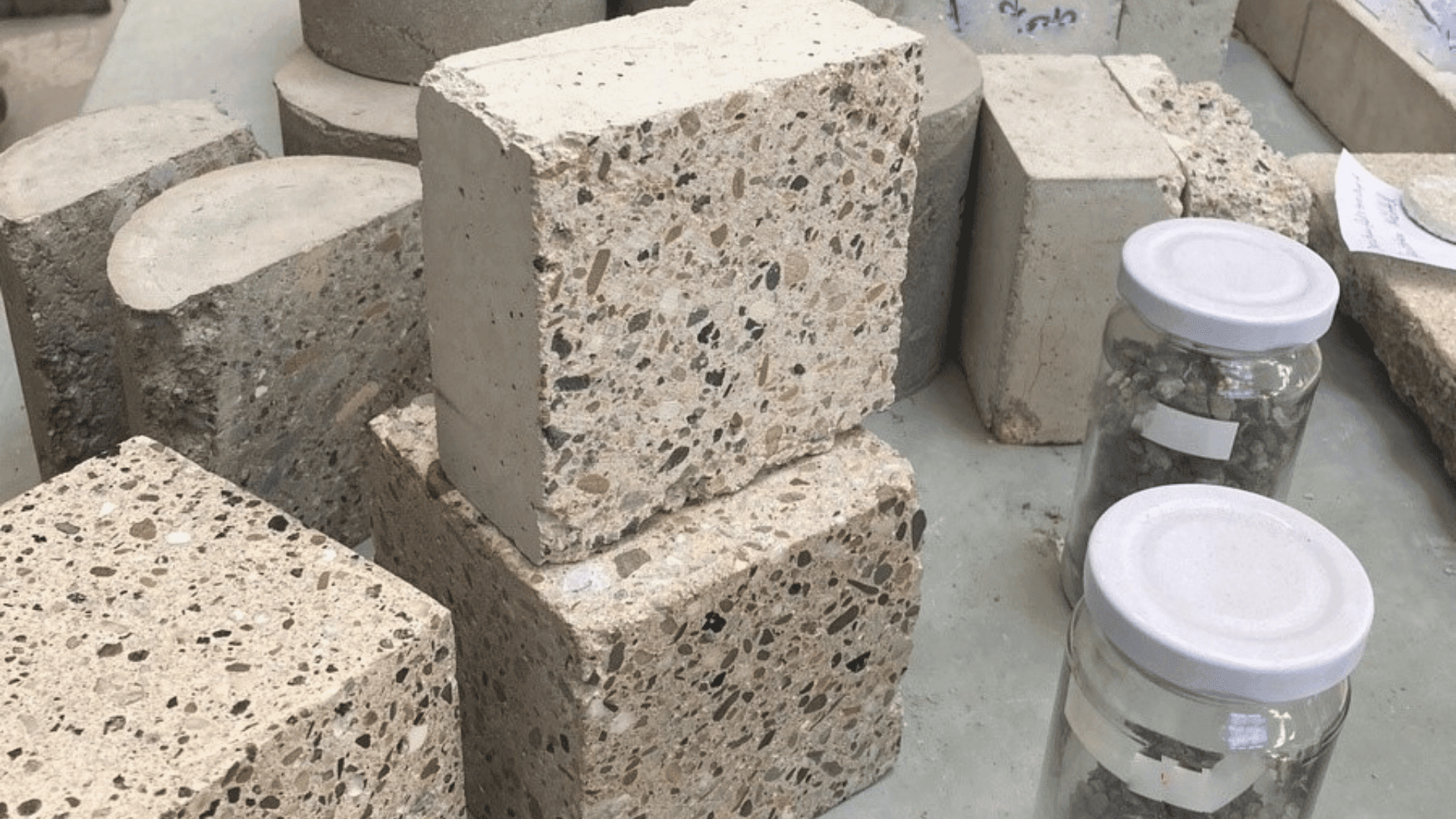
The logic is pretty straightforward. These mineral leftovers can naturally soak up and store CO2 through a process called carbonation. Instead of letting that happen slowly over time, a new project at the Leppe waste management center is trying to speed it up.
“The mineral components it contains are able to absorb and permanently bind CO2 – a process known as carbonation,” Prof. Dr. Björn Siebert from TH Cologne explained. “In our project, we want to develop a practical carbonation process and test whether our end product is suitable for use in road construction or concrete production.”
The team is currently looking at two different ways to get the gas into the ash. One involves “wet carbonation” under water, which holds more CO2 but takes a lot of energy to dry out afterward. The other uses less moisture, which is easier to manage but creates a crust on the outside of the ash that blocks the gas from reaching the center.
Advertisement
Better Concrete and Better Recycling
There are two benefits if the researchers can get the formula right. First, it keeps CO2 out of the atmosphere. Second, it creates a recycled alternative to sand and gravel, which are usually dug up using heavy machinery and lots of fuel.
The researchers are even looking at whether this ash can replace some of the binders used in concrete, which is notoriously tough on the environment to produce.
“Our goal is to substitute raw materials that are otherwise extracted using a great deal of energy,” said Siebert. “In its unbound form, our carbonated ash could, for example, replace gravel or sand in road construction or earthworks.”
Ultimately, the goal is to create a circular economy. “If we succeed in providing carbonated ash that meets the relevant standards and environmental requirements, this would be an important step for the circular economy and climate protection,” Prof. Dr. Axel Wellendorf added.
 Read Exclusive Stories
 Bookmark & Save Articles For Later