Scientists in Australia found a hidden cleaning crew in the trunks of trees. It turns out that tree bark is home to trillions of tiny microbes that eat harmful gases, helping to scrub the air we breathe.
For a long time, we’ve known that trees help the planet by soaking up carbon dioxide. However, a new study published in the journal Science shows they do a lot more. Researchers from Monash University and Southern Cross University spent five years testing trees across Australia, from wetlands to upland forests. They found that every tree is like a skyscraper for microscopic life.
Tree Bark That Cleans the Air
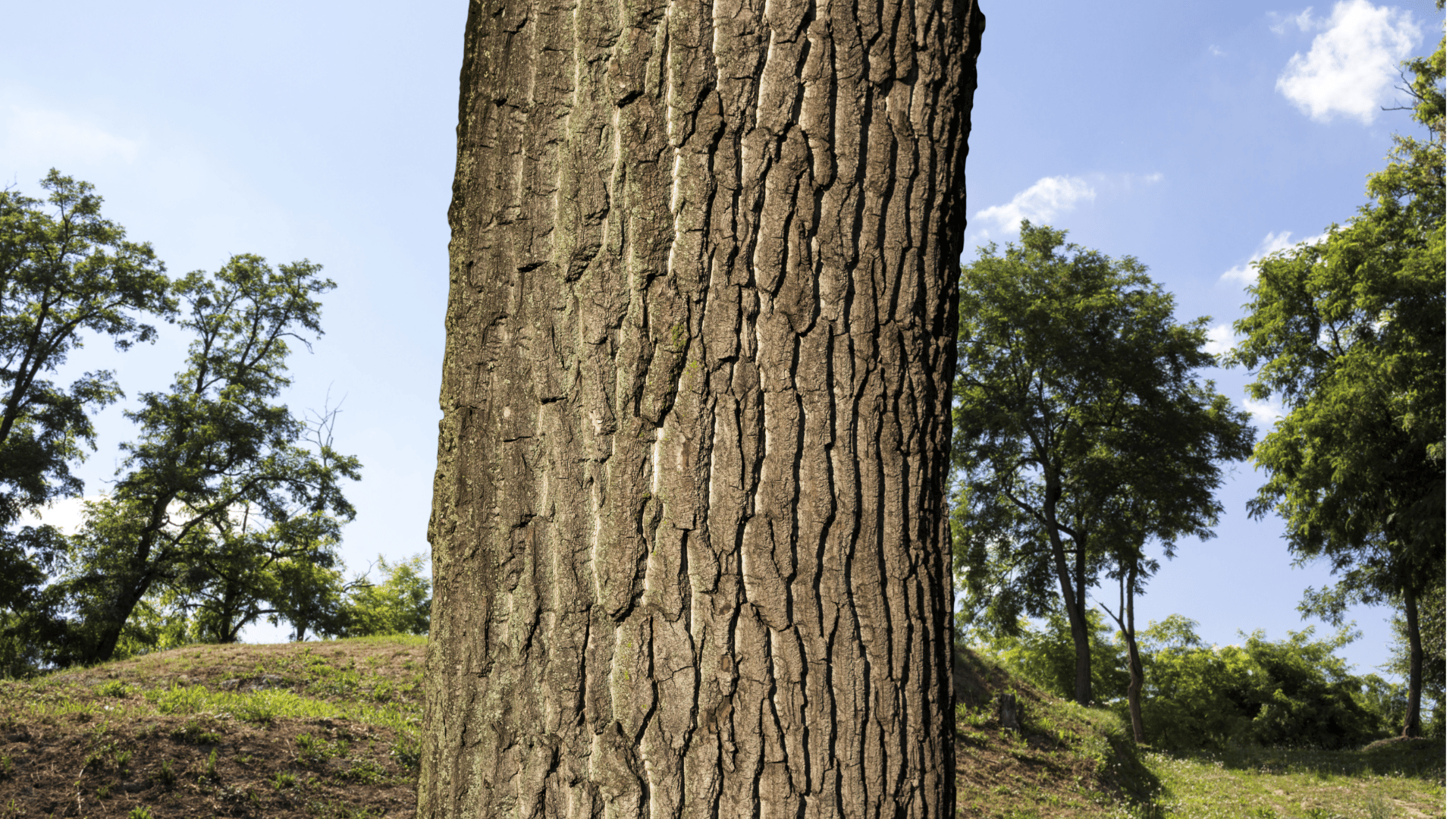
When you calculate the surface area of every tree trunk and branch on Earth, it’s massive.
“Counting all trees on Earth, the total global surface area of bark covers an area roughly the same as all seven continents combined,” said Luke Jeffrey, a research fellow at Southern Cross University. “This microbial activity across this massive ‘bark continent’ is potentially removing millions of tons of climate-active gases every year.”
Advertisement
These microbes are like specialists. For example, they feed on gases like methane and hydrogen, which warm the planet, and the toxic pollutant carbon monoxide. By eating these gases for food, the microbes turn the tree into a living filter.
The Best Trees For the Job
Not every tree hosts the same microbes. The team looked at everything from paperbarks to grey gums and found that different species have different microbial partners. This creates interesting implications for how we plan our cities and forests in the future.
“We now know different trees host different microbes,” said Professor Chris Greening from Monash University. “If we can identify the trees with the most active gas-consuming microbes, they could become priority targets for reforestation and urban greening projects.”
Essentially, we could start picking specific trees to plant in cities to help clean up car exhaust or industrial pollution. It’s a new way to look at nature-based solutions. While we used to just value trees for shade or wood, we now know they are active participants in cleaning the atmosphere.
“The diversity of microbes that we found living in the bark of these trees suggests that we may need to rethink how trees and forests control Earth’s climate now and into the future,” Professor Damien Maher added.
 Read Exclusive Stories
 Bookmark & Save Articles For Later