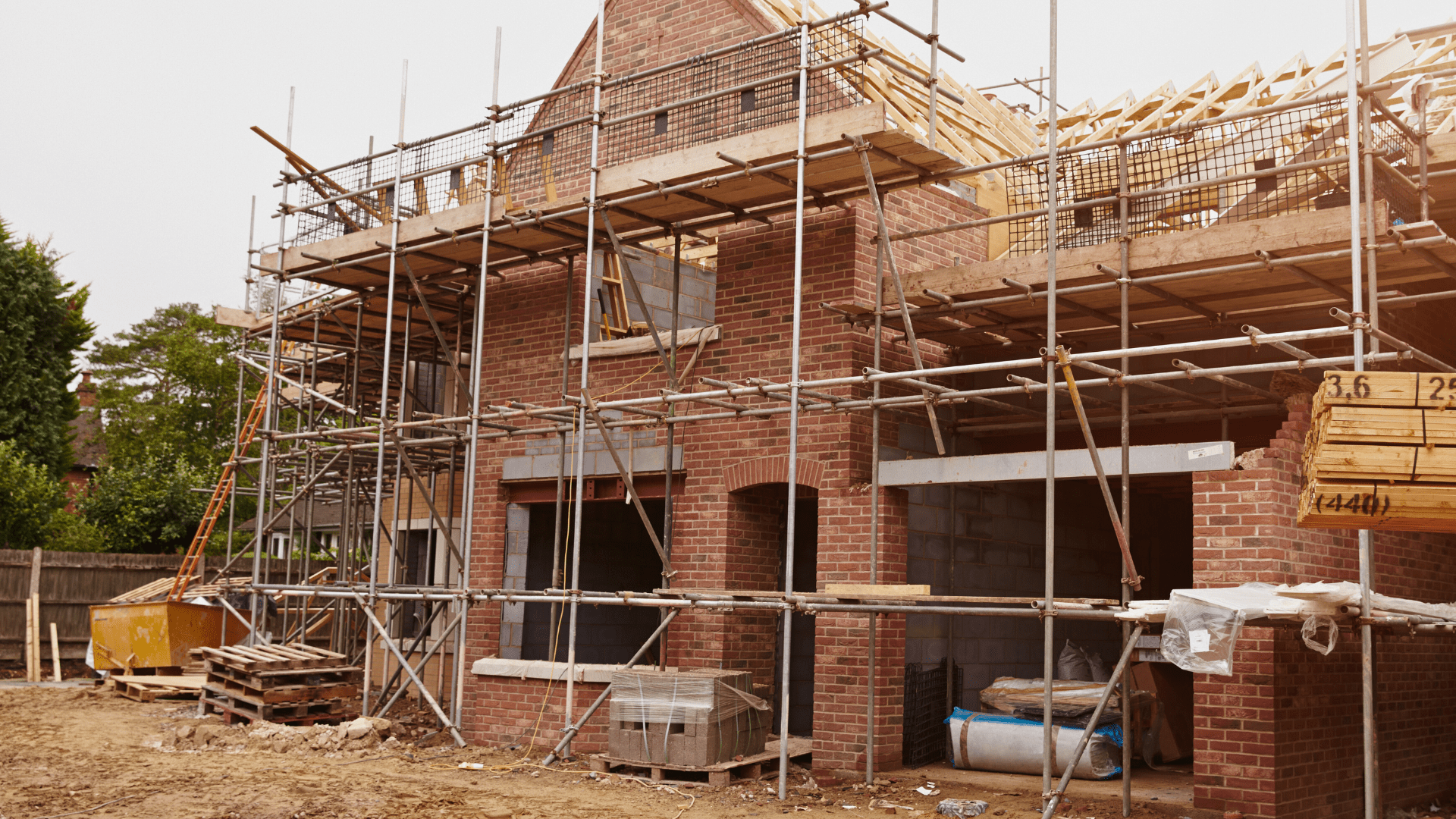
Construction trash is a messy business. Right now, the industry is responsible for about 40% of global emissions. A big part of that problem is the sheer amount of garbage and waste left over at job sites. Usually, this trash is a giant headache to manage because it’s a mix of everything—concrete, glass, tiles, wood, and plaster. Sorting it all out would take forever, so most of it just sits in a landfill after the house or building is built.
But an Israeli company called ROM is trying a different approach with something they call MORPHIT. Instead of throwing that waste away, they’re turning it back into building materials. They use that pile of debris to make new load-bearing blocks and walls. These materials are just as sturdy as traditional options, but without the environmental baggage. The best part is that they don’t have to spend time sorting or separating the materials first. Up to 80% of the final product is made from stuff that used to be considered garbage. This includes everything from stone powder and sand to old ceramics and glass.
Advertisement
This method helps in a few ways. For one, it’s cheaper. Builders don’t have to buy as many new materials, and they don’t have to pay those expensive fees to dump trash at the landfill. It also helps the planet! It reduces CO2 emissions because you aren’t constantly trucking materials back and forth or digging new resources out of the ground. It’s a pretty simple idea: take what we already have and use it again. It makes the entire building process much cleaner and more efficient.
The end goal here is something called a “closed ecosystem.” That’s just a fancy way of saying nothing goes to waste. Everything that arrives at a construction site eventually becomes part of the building, even the leftover scraps. It’s a more innovative approach to production that treats “trash” as a valuable resource rather than a problem to be buried.
 Read Exclusive Stories
 Bookmark & Save Articles For Later