We generate a lot of nuclear energy, but finding the best way to handle the waste is still a challenge. Deep Isolation Nuclear, a company working on new solutions, has just completed a two-year research project that could make a difference. The project, called SAVANT, has produced results that look promising for clean energy.
How Deep Borehole Disposal Works
Before looking at the new findings, it’s helpful to know what Deep Isolation does. Their website explains that their “Borehole Disposal” method is more than just digging a hole. They use directional drilling, like the technology used in oil and gas, to create a deep vertical access hole in the ground.
After drilling down several thousand feet or even a few miles, the drill turns until it is almost horizontal. The waste goes into canisters, which are pushed into this horizontal tunnel, located in rock that has been stable for millions of years. Once the waste is in place, it is sealed with rock and other materials, keeping it well below the water table and safely separated from the surface.
Why Finding a Way to Dispose of Nuclear Waste Matters
Advertisement
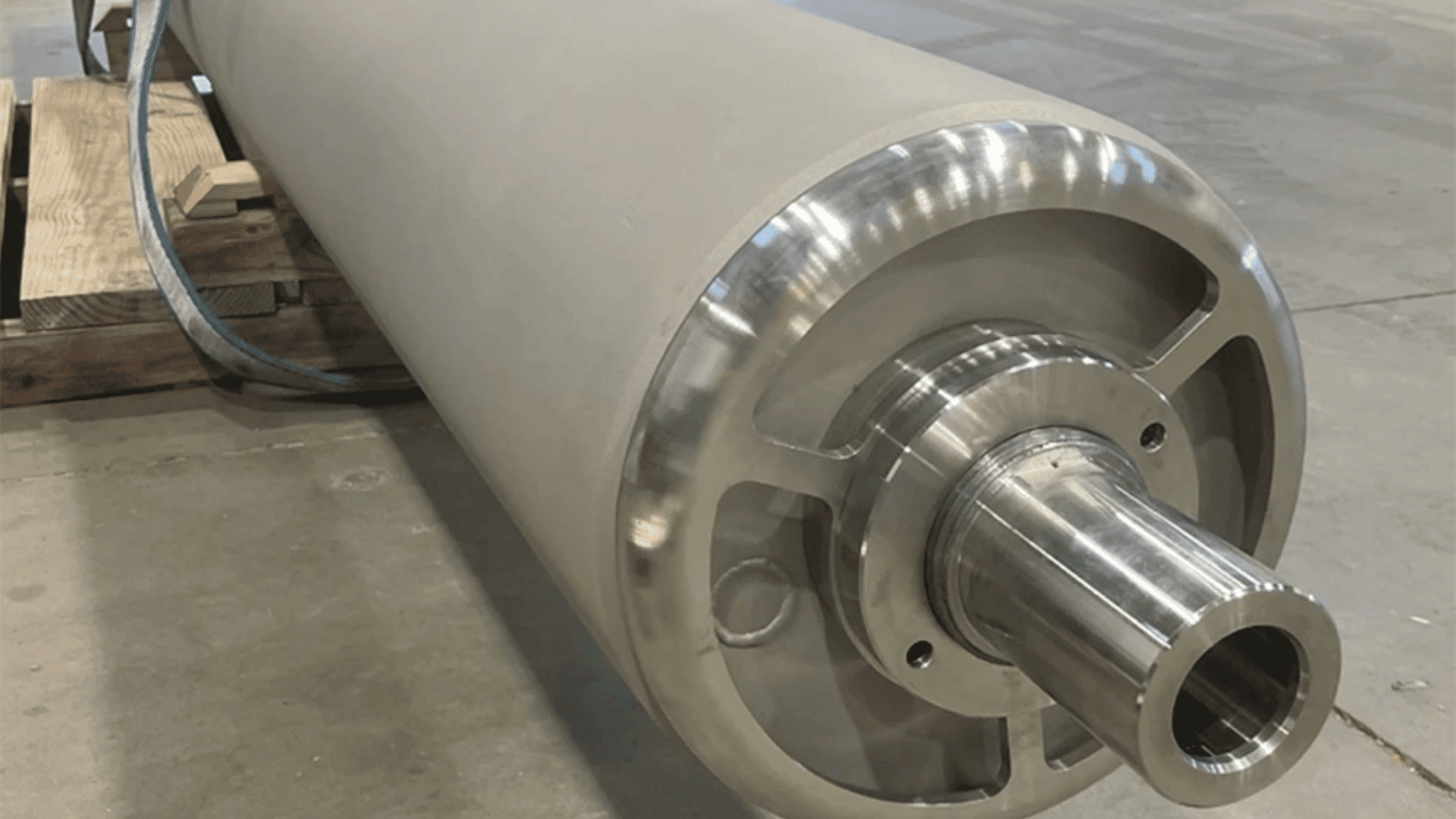
The main finding from Project SAVANT (short for Sequential Advancement of Technology for Deep Borehole Disposal) is that the canisters and casing materials can handle the pressure. Supported by the U.S. Department of Energy, the project showed that Deep Isolation’s “Universal Canister System” resists corrosion, even in the intense heat and chemical conditions deep underground.
“This important study shows that Deep Isolation has achieved another critical milestone in the development of a safe method of disposing of radioactive nuclear waste – something the world critically needs,” Rod Baltzer, Deep Isolation’s President and CEO, said. “Nuclear energy is facing a growing challenge. Global nuclear power capacity is forecast to increase by more than 300 GW by 2050, yet the world has not permanently disposed of any of the spent fuel it has created over the last 70 years.”
He added, “We believe our deep borehole technology will ultimately be the solution for safely and permanently disposal of nuclear waste deep underground, a solution the world needs.”
“The project SAVANT data significantly strengthens our understanding of how UCS and borehole system materials perform under the conditions expected in a deep geologic environment,” said Jesse Sloane, Executive VP of Engineering at Deep Isolation. “These results demonstrate wide margins of safety for the public and reinforce the robustness of our design approach.
“With these results in hand, we are well positioned to advance into larger scale testing,” Sloane explained.
As more countries plan to expand nuclear power, having a reliable way to manage the waste is crucial. Borehole disposal could be the answer.
 Read Exclusive Stories
 Bookmark & Save Articles For Later