Art helps us notice and relate. For visual artist and conservation photojournalist Christina Selby, it’s more than a question of seeing. Her art is a matter of relationship, both with the “more-than-human world” and the living systems of which we are all a part. Selby’s journey from a dairy farm in the Midwest to the Amazon shows how art can help us move from a position of dominating nature to one of co-existing with it.
Multiple Views of Place
One photograph cannot capture a place. Selby knows many images and perspectives can convey a landscape. She often begins with wide-angle landscape or drone shots to orient her viewers, followed by portraits of the scientists, ranchers, and animals involved in her subject.
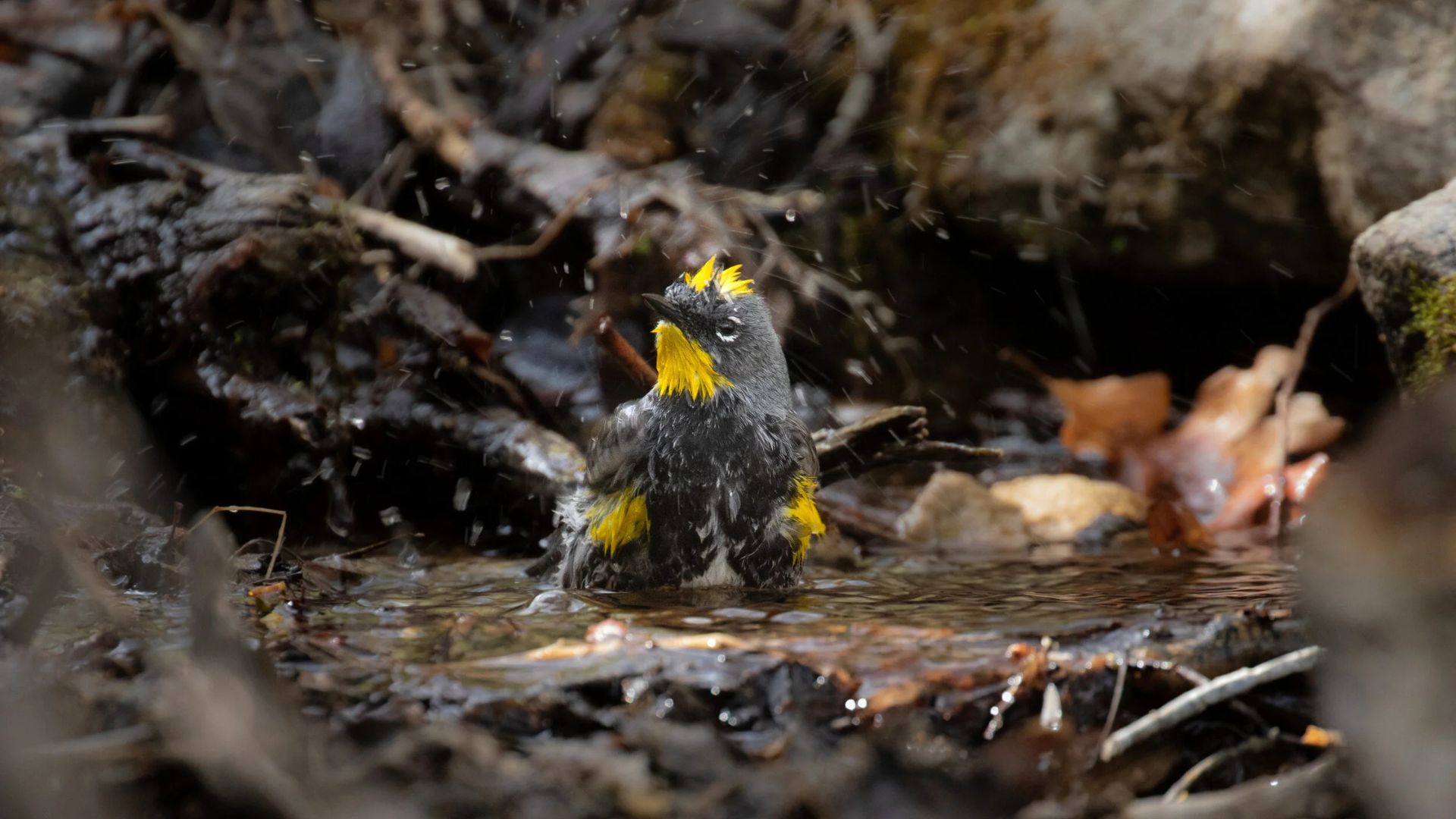
Then she zooms in. Selby takes macro photos of things like pollen and the vein structure of leaves. When all of these images are stitched together, the viewer can imagine being in a meadow at dawn and noticing both the space around them and the tiny details that give it life.
What It Takes to Create an Image
The final image looks simple, but it is rarely easy to capture. Selby’s work as a photographer requires patience, persistence, and flexibility. Nature does not work on human timelines. In one project, she spent four grueling days in southern New Mexico looking for a rare morning glory. Just as she was about to dash off to her injured spouse’s bedside. The morning glories opened. She nearly missed the shot but got it at the very last moment.
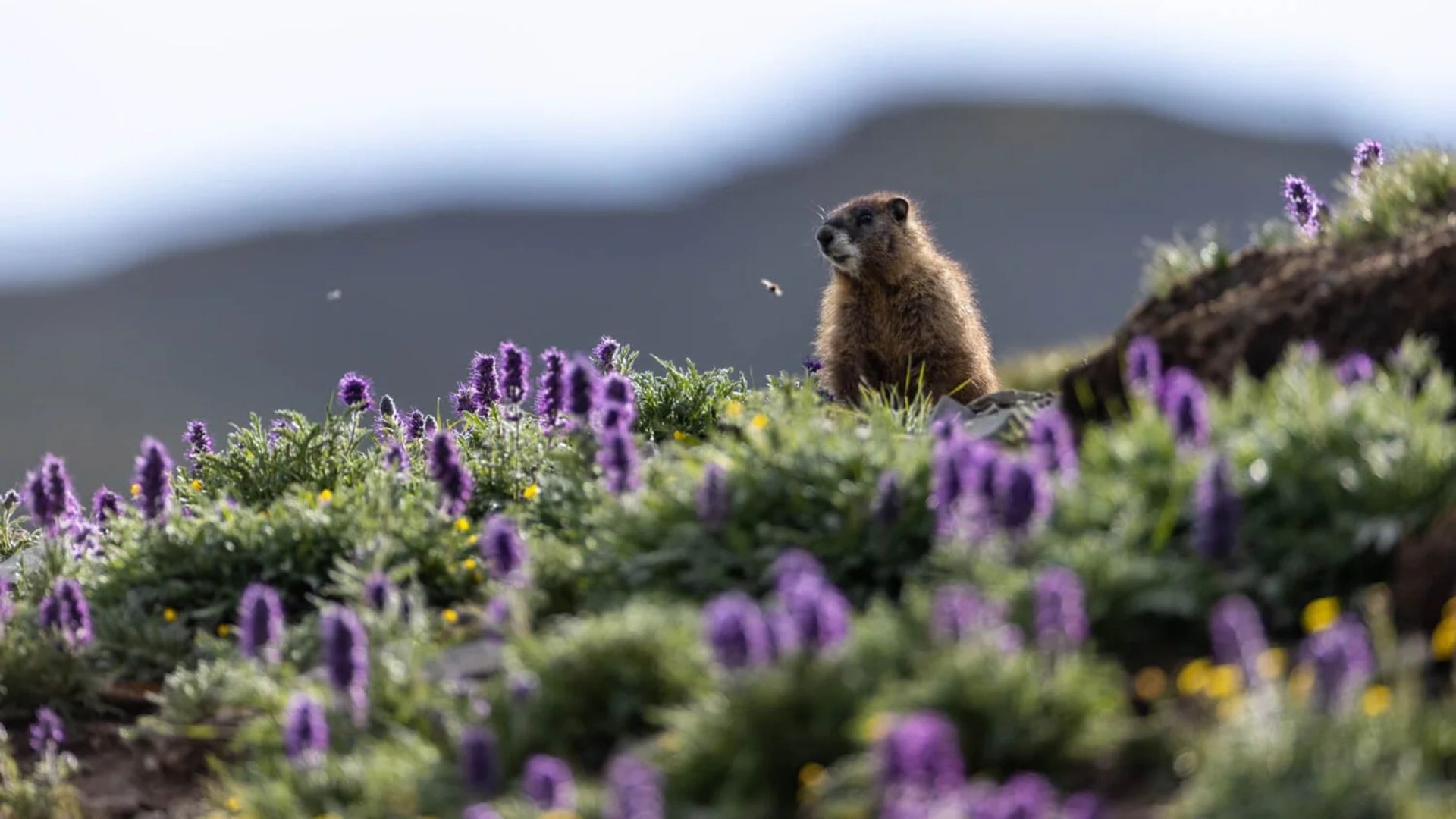
These stories highlight the realities of working in nature. Beauty comes with uncertainty. Selby also discusses “plant blindness,” the tendency to see landscapes as nothing more than a green blur rather than a collection of living things. She thinks we can only relate when we begin to notice and name what is there.
When someone sees the shimmer of an aspen or the thick form of a juniper, the landscape becomes not an empty space but that of a community. The more we name the things around us, the more familiar they become; the more familiar they become, the more we are inclined to protect them. People will only guard what they see but will ignore what they believe is merely background.
Bringing Hope with Us
Today, Selby is photographing climate refuges in the Southern Rockies; areas that are cool enough to support diverse life forms in the face of rising average temperatures. She sees this project as gathering seeds for the future rather than focusing on loss. There is a softness in her project that recognizes the resilience of the land and those who rely on it.
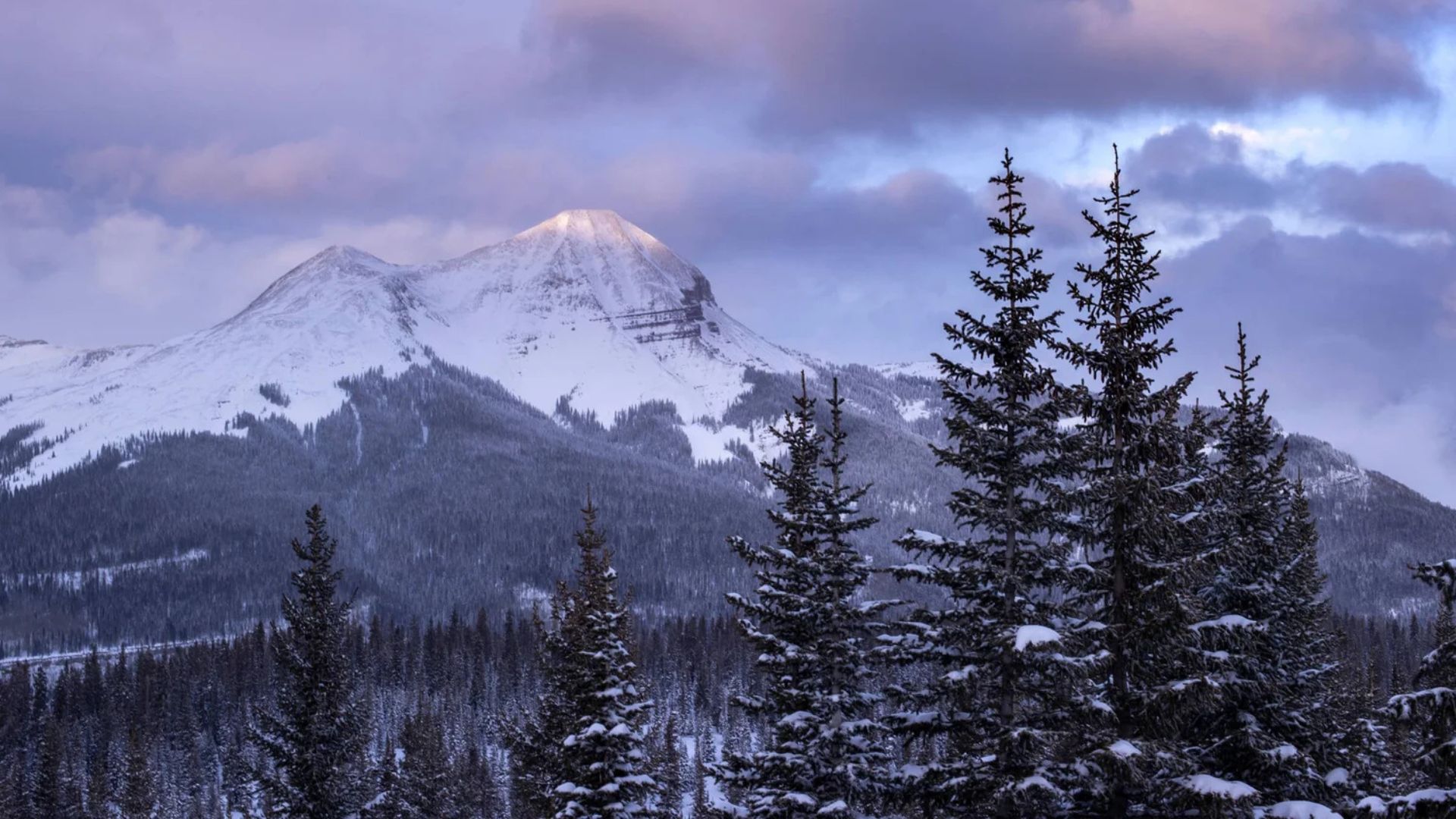
Selby’s work has a message for artists and those who view art: stop and notice what is around you. You might become familiar with the plants in your area, start to notice pollinators or how the light hits the creek or body of water you have used for most of your life. If you do this, art can help us reconnect. We first have to notice, then we have to know, then we can care for what we see and spend time with. By remaining present, art can help us relocate ourselves within nature.
For more information about Christina Selby and her projects, follow her on Instagram and on christinamselby.com.
 Read Exclusive Stories
 Bookmark & Save Articles For Later