We live in a world of 3D printing and automated assembly lines. But sometimes, the most impressive production technology is centuries old. If you want to see how true innovation works, you have to look at glass. Specifically, the high-tech history of Venetian goblets and how that tradition landed in the Pacific Northwest for Goblet Week 2026.
The Original Silicon Valley
Glassmaking was the original tech boom. While it started back in the Roman Empire, Venice really turned it into an industry. By the late 1200s, the city realized it had something special. They even established a Glassmakers Guild to protect their intellectual property.
In 1291, a radical law forced all glass furnaces to move to the island of Murano. The official reason was to stop fires in Venice. However, historians agree the real motive was “to isolate the glass craftsmen to a location where they wouldn’t be able to disclose trade secrets.”
And the strategy worked. Isolated on the island, the competition fueled creativity. In the 15th century, a master named Angelo Barovier discovered cristallo, a process for producing clear glass. This allowed Murano makers to become “the only producers of mirrors in Europe.”
The industry faced a near-death experience in the 1800s due to wars and political shifts. But thanks to innovators like Lorenzo Radi, who spent time “rediscovering the old methods and techniques,” the craft survived. By the 1860s, international expos in Paris brought Venetian glass back to the world stage, proving that good manufacturing tech doesn’t expire.
Advertisement
Goblet Week 2026
Today, that same spirit of production lives on in the Pacific Northwest. As we get more addicted to our screens, we get “detached from the handmade.”
That is where Goblet Week 2026 comes in. Taking place at the Museum of Glass, the event started “to highlight the magic of handmade functional glass pieces, specifically, Venetian-style goblets.”
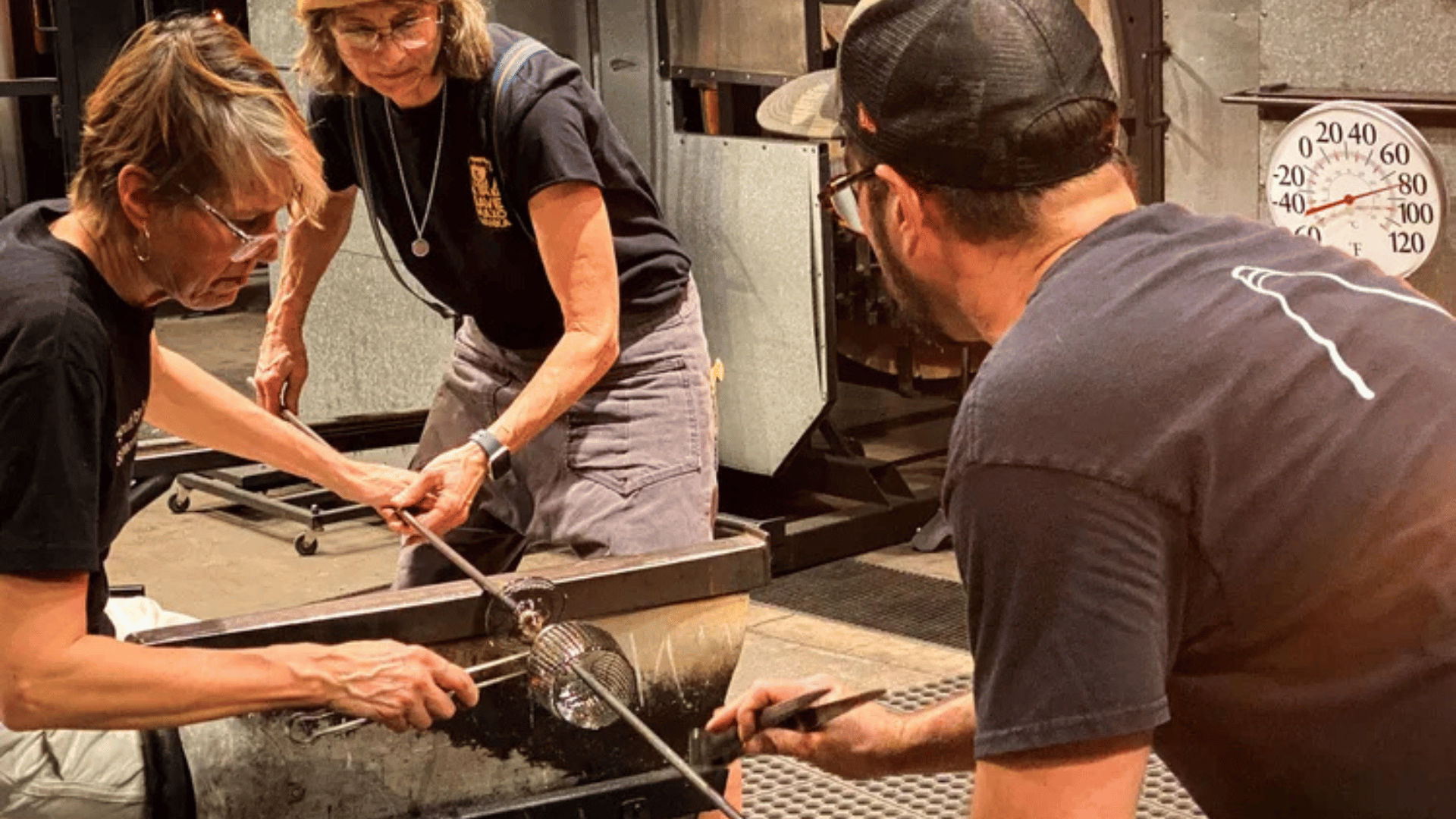
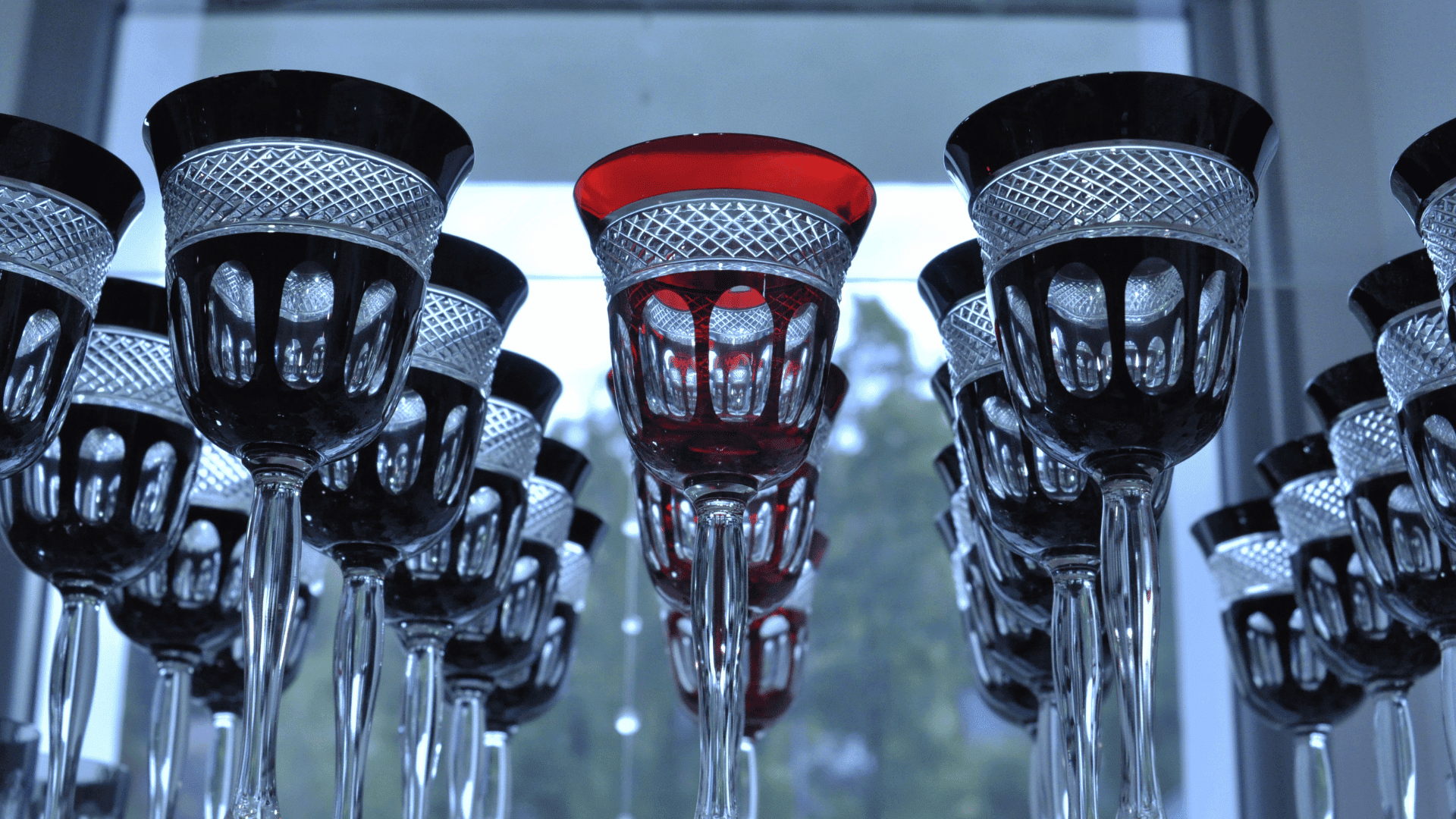
These aren’t your average cups. They are known for their extreme thinness and complexity. The event featured four visiting artists representing a new generation of makers: Paul Cunniglassngham, Kit Paulson, Chris Schuelke, and Ryan Thompson. Each artist spent a day in the Hot Shop showing off their specific approach to making these “cups.”
Each day of Goblet Week taught a different process for creating goblet glass. The week wrapped up on Sunday with the Museum of Glass Hot Shop Team making their signature designs, followed by a lecture on the history of these vessels. There was also an “Artist Reception + Wine Tasting and Goblet Sale” on Saturday, January 17.
This was a great chance to see the creation of goblet glassmaking in 2026. It showed that the best creations are made with the hands of the maker.
 Read Exclusive Stories
 Bookmark & Save Articles For Later