Think of Earth as the ultimate Research & Development lab. For centuries, nature has been iterating on designs, materials, and chemical compounds. If you work in technology or production, you know that finding a working solution is gold.
According to a new study led by the University of Arizona, that library of solutions is expanding way faster than anyone realized.
Back in the day, Swedish naturalist Carl Linnaeus tried to name every living thing. He managed about 10,000. Since then, we’ve kept counting. But recently, researchers analyzed roughly 2 million species and found something surprising: between 2015 and 2020, scientists documented an average of more than 16,000 new species every single year.
“Some scientists have suggested that the pace of new species descriptions has slowed down and that this indicates that we are running out of new species to discover, but our results show the opposite,” said John Wiens, a professor at the University of Arizona and senior author of the paper. “In fact, we’re finding new species at a faster rate than ever before.”
Discovering New Species Faster Than Ever
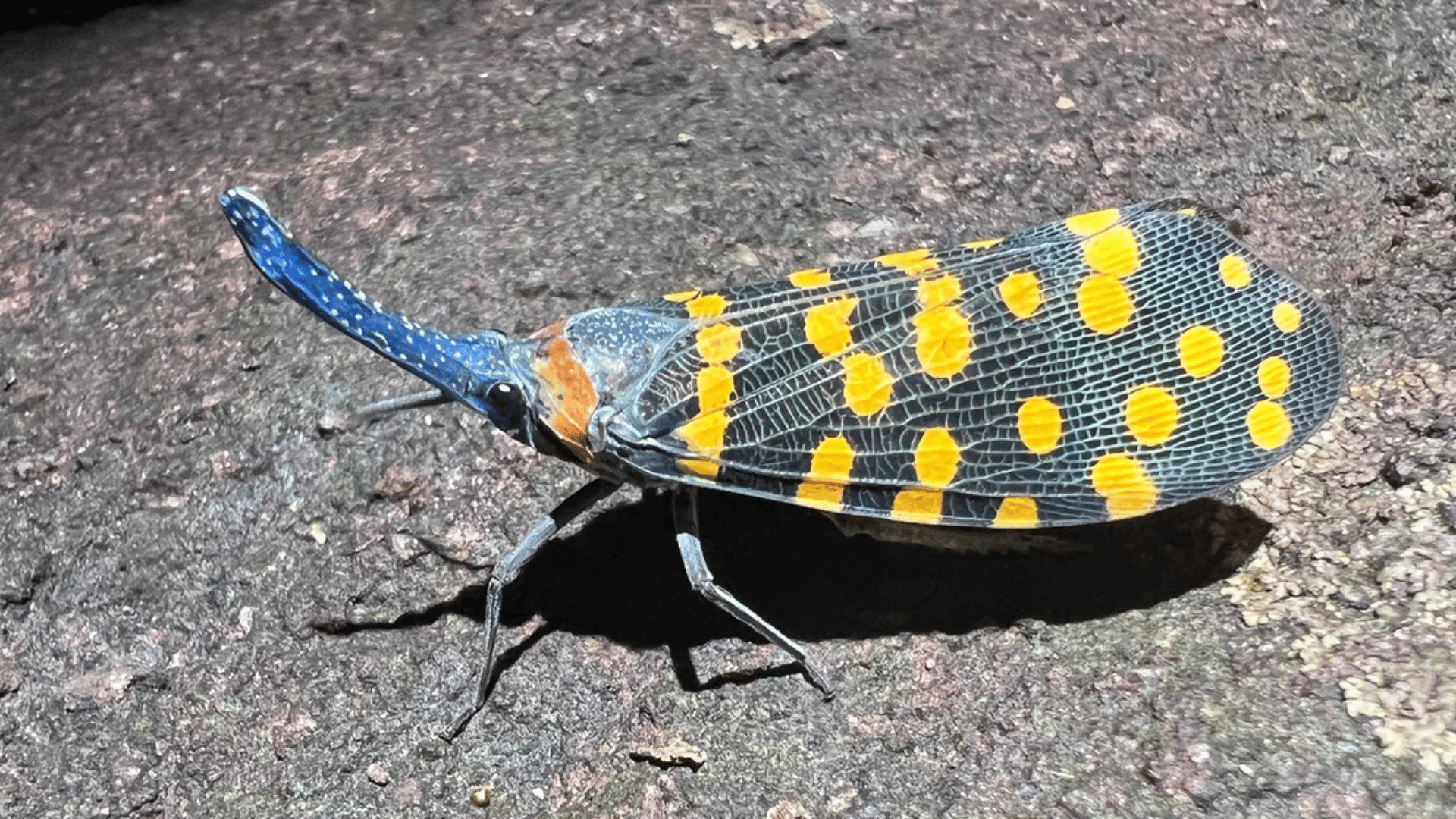
This isn’t just about cataloging bugs for a museum. Every new species represents a biological mechanism that works.
The study points out that nature is already powering modern innovation. For example, GLP-1 weight-loss drugs were inspired by a hormone found in Gila monsters. We also look to gecko feet to create materials that cling to vertical surfaces, and snake venoms are being studied for pain and cancer treatments. This is called biomimicry.
Advertisement
“We’re still just scratching the surface of what these species can do for humanity,” Wiens said.
Identifying these species is the first step to understanding how they work. The team predicts there could be 115,000 fish species (we currently know about 42,000) and over half a million plant species. That is a massive amount of unstudied data.
Better Tools Lead to More Discoveries
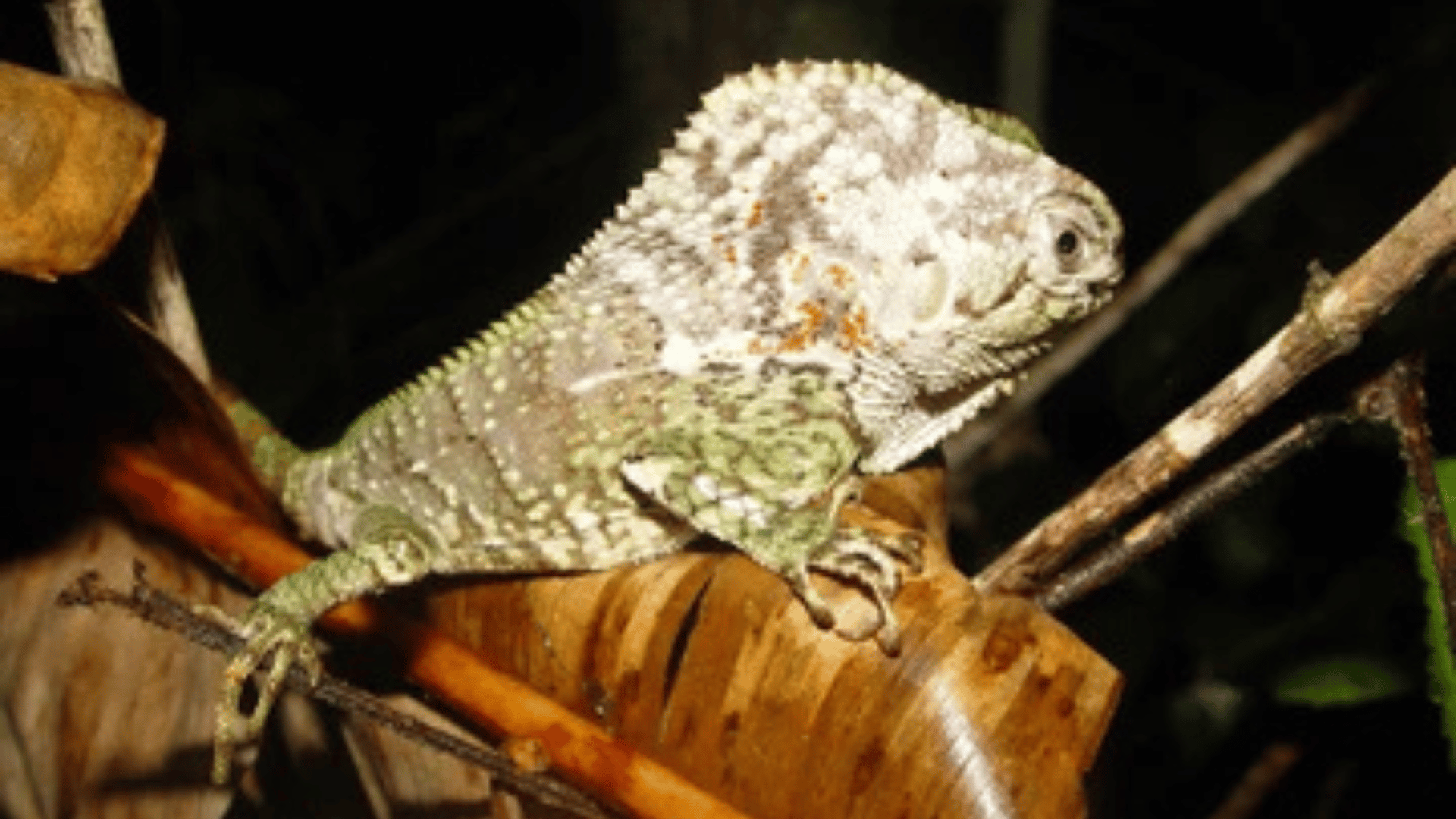
Technology is actually helping us find these biological breakthroughs. While we used to rely on just looking at physical traits, better molecular tools are helping scientists identify “cryptic species.” These are organisms that look the same but are genetically different, especially among bacteria and fungi.
“As the famous ecologist Robert May said, if visiting aliens asked us how many species live on our planet, we would have no definitive answer,” said Wiens.
The study notes that 15% of all known species were discovered in just the last 20 years. As we get better at finding them, we get better at protecting them—and learning from them.
“So much remains unknown, and each new discovery brings us closer to understanding and protecting the incredible biodiversity of life on our planet,” Wiens said.
 Read Exclusive Stories
 Bookmark & Save Articles For Later