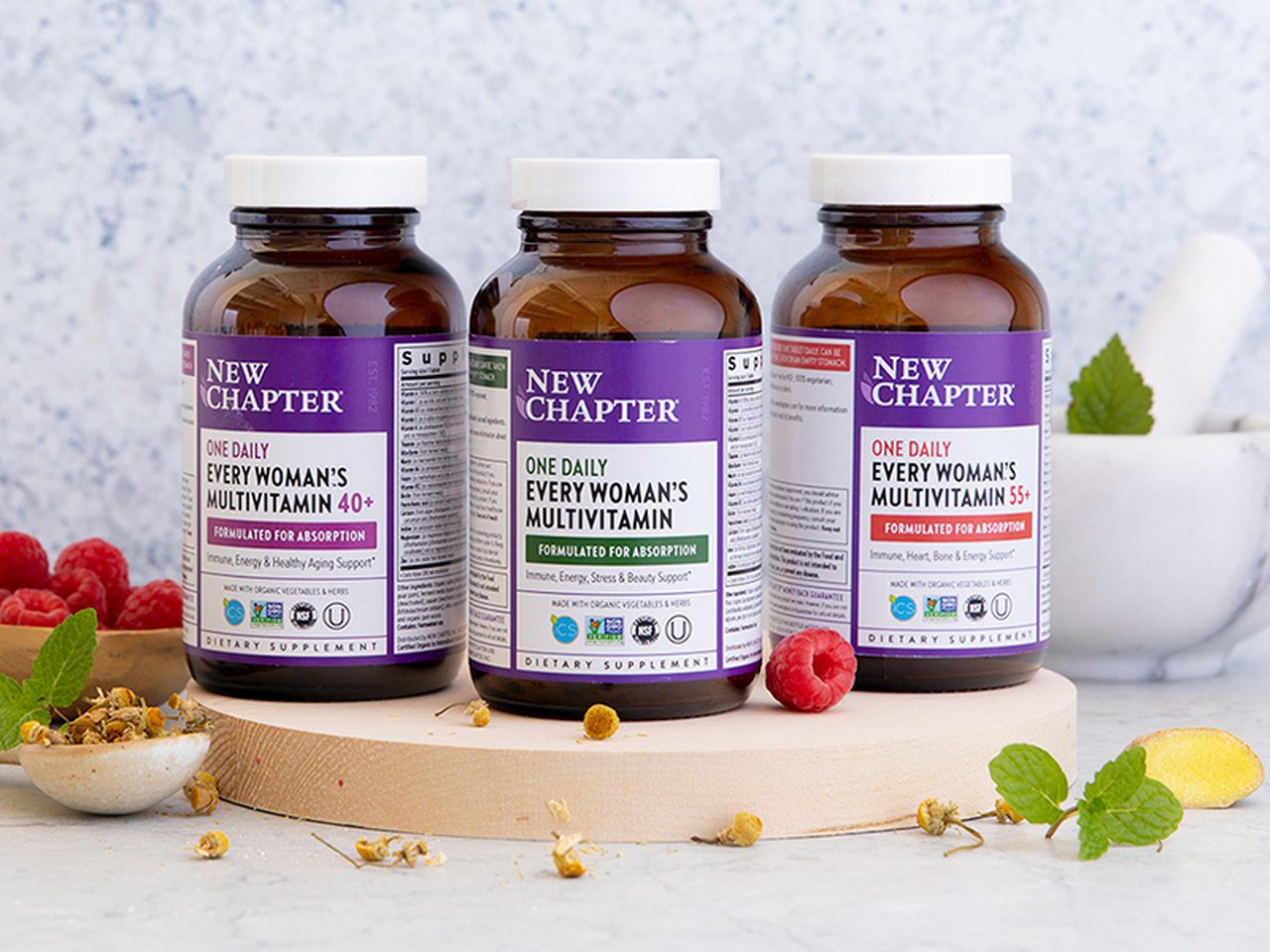
New Chapter’s story begins with a simple question that fuels real innovation: what’s missing? Founded in 1982, New Chapter helped define the natural supplements category by introducing fermented vitamins and treating formulation as both science and craft. That early decision set a long-term course—quality first, curiosity as a daily practice, and innovation measured over decades, not quarters.
Building Longevity in Natural Supplements
From the start, New Chapter positioned itself against short-lived trends. Fermented vitamins weren’t a novelty play; they were a functional improvement designed to support absorption and gentler digestion. This long-horizon mindset explains why longevity matters so much in the supplements industry. Durable innovation comes from listening closely to consumer needs, respecting evidence, and building teams that learn continuously rather than chasing fast launches.
Education as a Core Innovation Engine
At the heart of this episode is Charlotte Traas, formerly Director of Education at New Chapter and a master herbalist. Her role bridged research, teaching, and translation—turning complex science into accurate, accessible guidance that helps people make smarter health decisions.
Charlotte moved fluidly across nutrition, phytochemistry, traditional herbal systems, and sustainability, demonstrating how cross-disciplinary thinking brings clarity to complicated wellness questions. The aim was never to idolize plants or dismiss pharmaceuticals, but to understand mechanisms, respect evidence, and apply the right tool at the right time.
Curiosity, Immersion, and Real-World Learning
Charlotte’s path into herbal medicine didn’t begin in a lab. Trained initially as a communicator and educator, she found herself studying Kampo in Tokyo and later seeking treatment in a Hong Kong clinic, where direct experience with herbal medicine reshaped her understanding of health.
Six paper packets of herbs and a disciplined routine shifted both her condition and her perspective. Back in the U.S., she chose immersion over abstraction, working in a health food store to learn by listening. The lesson is powerful: curiosity, paired with lived experience, builds empathy and provides better guidance for people trying to feel better in their own bodies.
Vulnerability, Adaptogens, and Ethical Advocacy
A recurring theme is vulnerability as strength. Charlotte describes moving from equating “not knowing” with weakness to seeing it as the doorway to mastery. Failure becomes feedback, not a flaw.
Advertisement
This mindset shapes practical advice in natural health. Start with your body. Observe outcomes. Then investigate mechanisms. Adaptogens like rhodiola for stress adaptation or Lion’s Mane for focus and neurite support aren’t framed as hype, but as entry points to deeper understanding—how stress response works, why GABA shifts matter, and what nootropics actually do. When people feel results, curiosity follows, and education replaces marketing noise.
Mentorship Is a Contact Sport
Mentorship is treated with nuance. Great teachers inspire; true mentors challenge. Charlotte points to colleagues across branding, finance, and social media as everyday mentors, reinforcing that expertise is networked, not hierarchical. Feedback can sting, but it sharpens judgment, communication, and standards—especially in work that directly affects people’s health.
Regenerative Agriculture and Product Integrity
The conversation widens from personal wellness to planetary health through regenerative agriculture. Nutrient density has declined as modern systems optimized for yield and appearance over soil vitality. Regenerative practices rebuild soil carbon, biodiversity, and resilience—supporting more nutrient-dense botanicals and reducing supply chain risk.
For supplement makers, this isn’t branding. It’s product integrity. Sourcing from areas where plants thrive, investing in soil health, and exploring cleaner energy for manufacturing directly connect environmental stewardship to consumer outcomes.
Innovation That Listens Before It Launches
The episode closes by discussing listening as the foundational skill behind both storytelling and innovation. Good listeners catch small signals—fatigue patterns, study anomalies, soil depletion—and translate them into better questions and experiments. That’s how fermented vitamins emerge from tradition with modern rigor, and how a decades-old company can still behave like a curious startup.
The challenge is clear: keep exploring, be a thoughtful rebel, and let evidence, empathy, and the planet guide the next generation of health solutions.
This blog post was generated using Buzzsprout’s CoHost AI tool and is based directly on content from the associated podcast interview. This article has been reviewed and edited by Tomorrow’s World Today staff.
 Read Exclusive Stories
 Bookmark & Save Articles For Later