Advertisement
Nuclear energy is at the forefront of scientific conversation today, particularly because of its role in helping achieve the worldwide goal to reach net-zero carbon emissions by 2050. This is due to many aspects, but especially nuclear energy’s zero carbon emissions, capacity to work 24/7, and ability to provide an immense amount of power without taking up much space. In 2020, nuclear energy accounted for 52% of America’s carbon-free electricity and about 30% of the world’s low carbon electricity, and this percentage will continue to grow in the future. However, there is no way nuclear science and power could have benefited the world as much as it has (and will continue to do) without the help of several innovations made by impressive women.
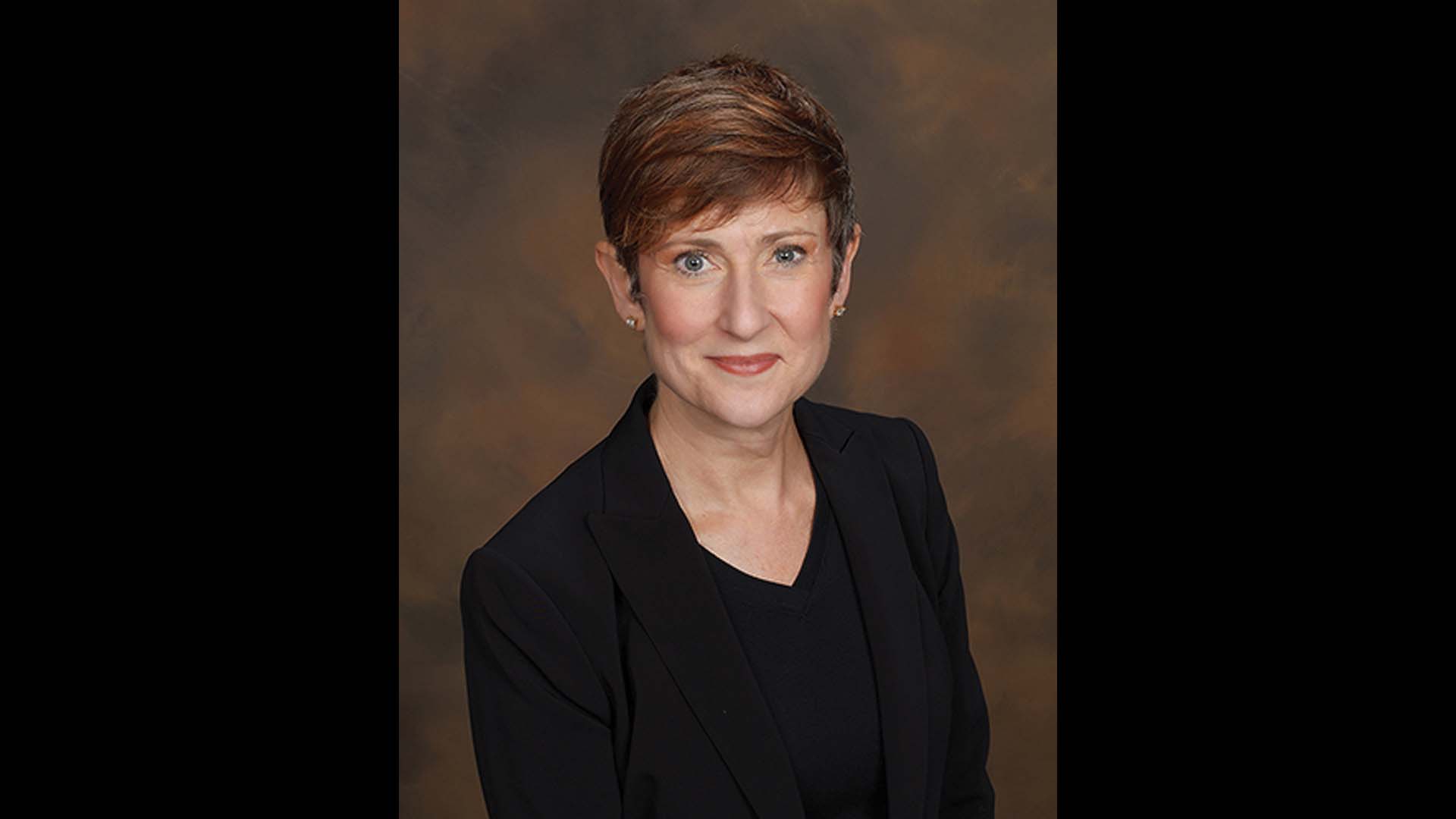 To help us compile this list of five of the most important women in nuclear science, we talked to Mary Lou Dunzik-Gougar, an impressive woman in nuclear herself, about who she thought deserved to be noted and why. Mary Lou is the associate dean of the Idaho State University (ISU) College of Science and a senior reactor operator at ISU’s Aerojet-General Nucleonics nuclear reactor. She was the 2020-2021 president of the American Nuclear Society (the fifth woman to be elected in ANS history), and her research projects on nuclear energy are published internationally.
Marie Curie (1867-1934)
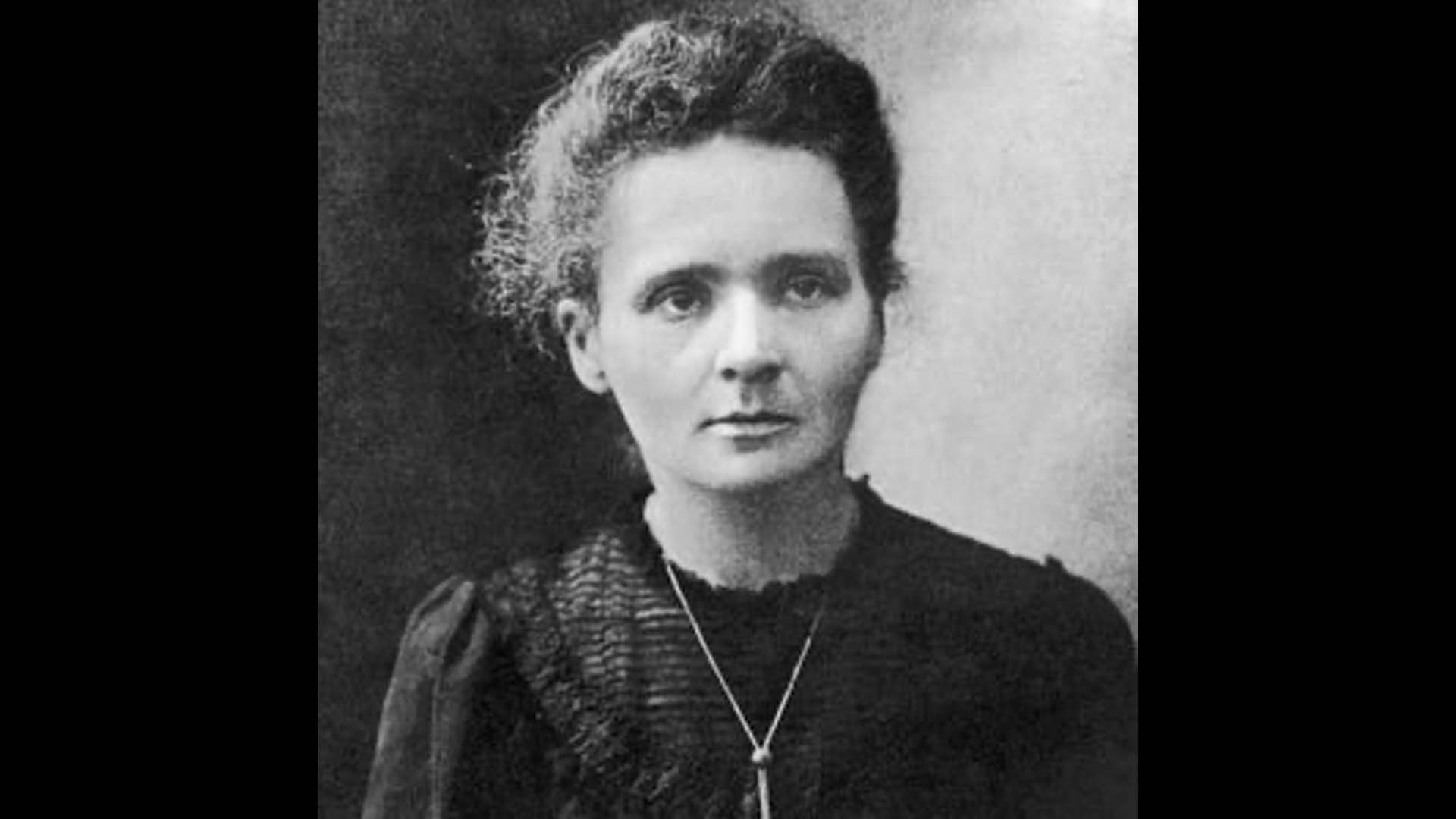 Referred to as the woman who opened the nuclear age, Marie Curie’s discovery of radium and its radioactive properties earned her this designation. She even coined the term radioactivity to describe the mysterious rays that French physicist Henri Becquerel discovered in 1896.
Curie’s discovery of radioactivity in uranium and radium was the first indication that an energy source existed that was more powerful than chemical reactions. This opened the door to understanding the structure of the atom, to radiation therapy for cancer, and to the use of nuclear energy. Madame Curie decided not to take out a patent because “radium is not to enrich anyone, it is for all people.” Alongside her husband, she was awarded the Nobel Prize for Physics in 1903 for their discovery.
Mary Lou Dunzik-Gougar (MLDG): Much has been written about Marie Curie, but probably not enough. Some tout her as the “first woman” to win a Nobel Prize, to hold her position in the Faculty of Sciences at the Sorbonne, etc.; however, her technical achievements are remarkable for what they are, not because of her gender. Among other things, her research revealed the reality of radioactivity, an entirely new field spanning chemistry and physics, and demonstrated the application of radiation for our health and prosperity. She was a pioneer and a role model to all.
Irene Joliot-Curie (1897-1956)
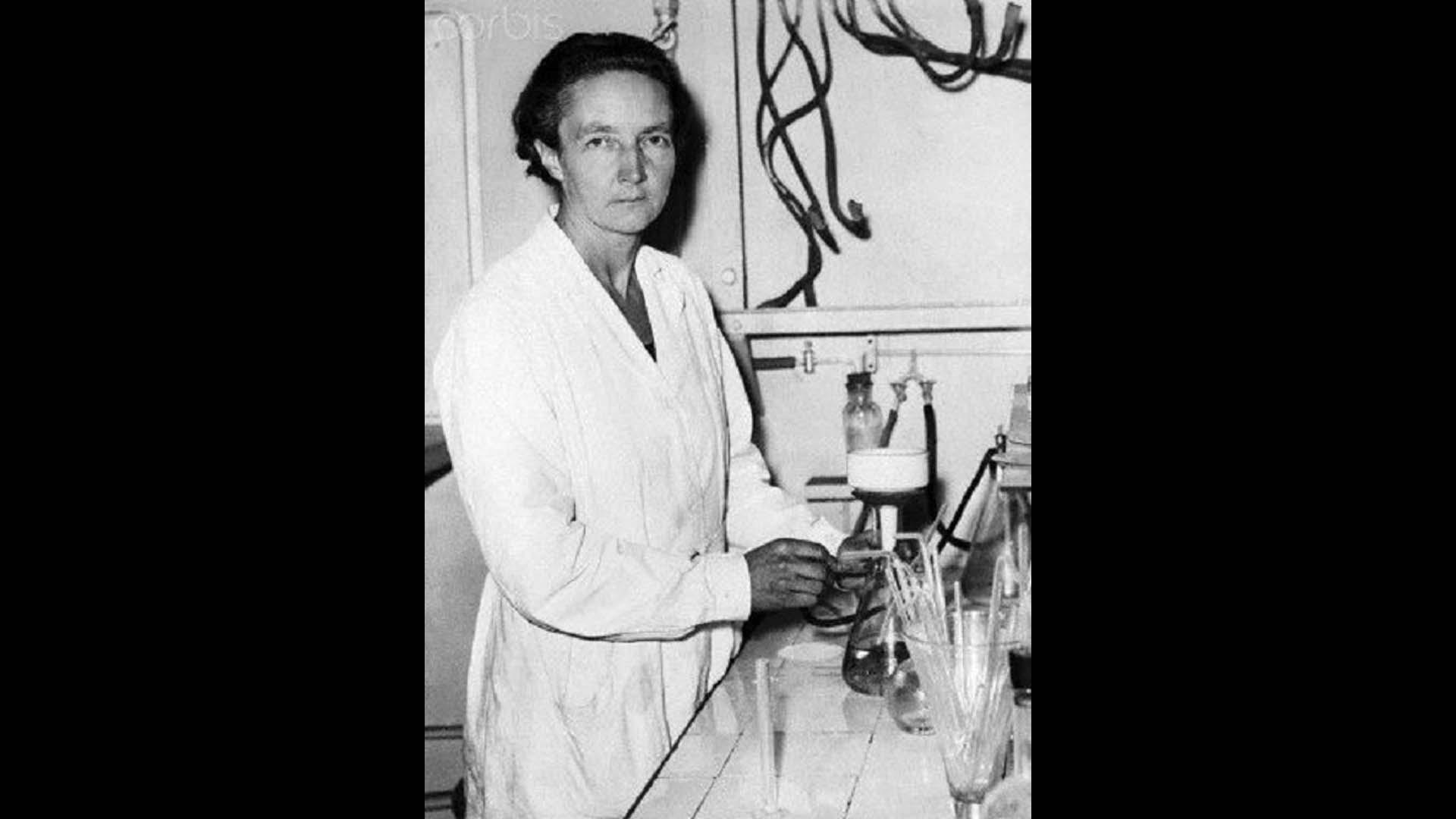 Irene was the daughter of Marie Curie and significantly advanced her mother’s findings, discovering that radioactive elements can be artificially produced from stable elements. They discovered this by exposing aluminum foil to alpha particles; when the radioactive source was removed, the aluminum became radioactive.
As a result of this discovery, there was significant research into radioisotopes and radiochemistry. For example, researchers discovered isotopes such as a radioactive form of iodine, which was used to treat thyroid diseases. This discovery also proved that radioactive isotopes could be made relatively inexpensively. She and her husband were also awarded the Nobel Prize in Chemistry in 1935 for their synthesis of new radioactive elements.
MLDG: Many children would be intimidated by such accomplished parents as Marie and Pierre Curie, but Irene began her first-hand contributions to nuclear science as a teenage x-ray technician by her mother’s side during WWI. Twenty-four years after her mother was awarded the Nobel prize in chemistry, Irene and her husband Frederic received the same prize for their research creating radioactive atoms, changing the course of modern physics. Good genes!
Lise Meitner (1878-1968)
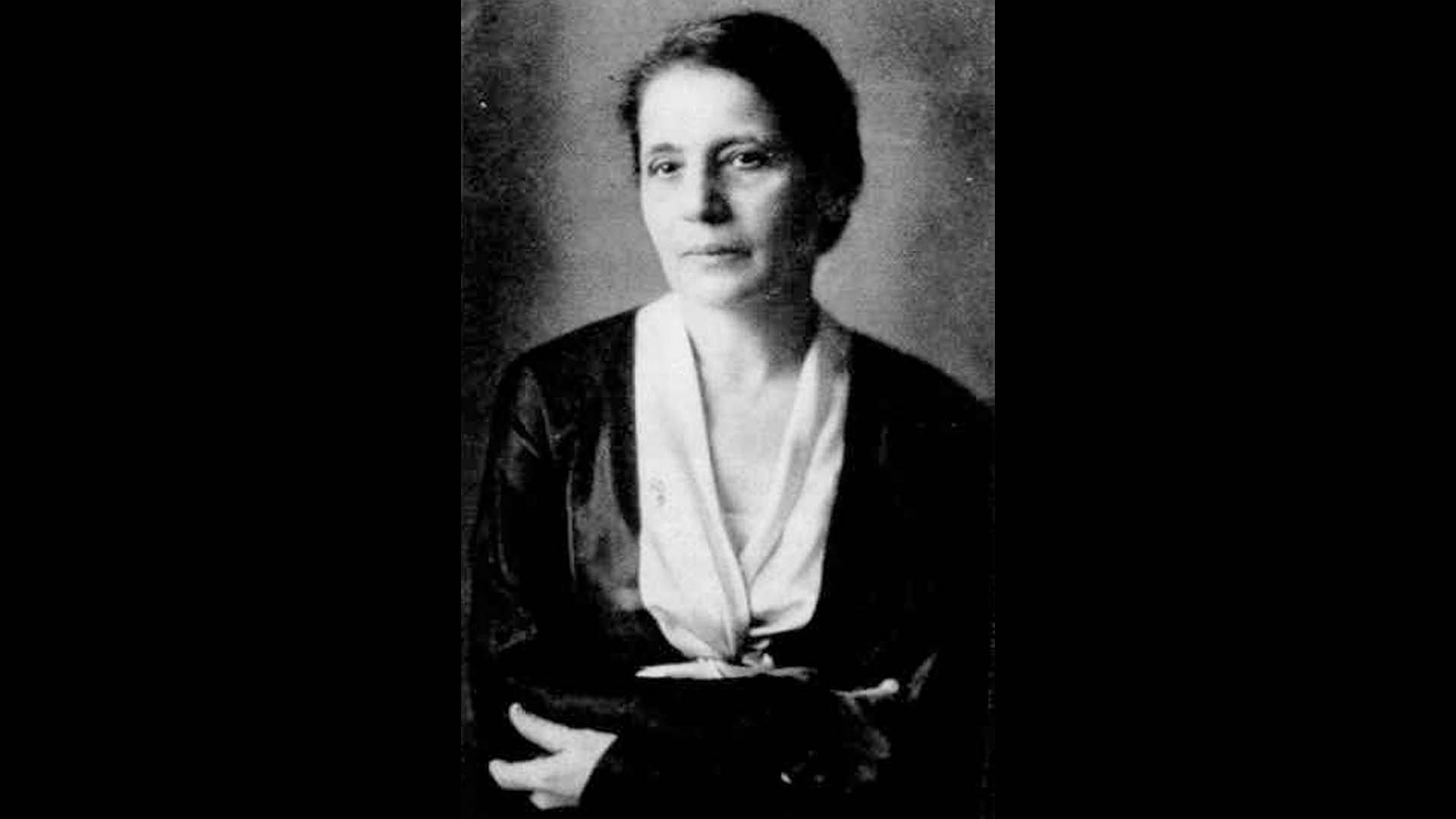 Even though many consider Meitner as the most significant woman scientist of the 20th Century, she was almost erased by history altogether. After she obtained her doctorate degree in 1906, she worked with chemist Otto Hahm for 30 years studying radioactivity. In 1917, they discovered the isotope of protactinium.
After Austria was annexed by Germany in 1938, Meitner was forced to flee Germany to Sweden to continue her research. Hahn isolated the evidence for nuclear fission, but Meitner and her nephew were the first to articulate how the process occurred and coined the term in 1939. In 1955, Hahn was awarded the Nobel Prize for Chemistry for his research into fission, but never acknowledged Metiner’s contribution. This mistake was never acknowledged but was somewhat made up for in 1966 when Hahn, Meitner, and Strassman were awarded the Enrico Fermi Award. Element 109 was also named meitnerium in her honor in 1982.
MLDG: What a strong person Lise Meitner must have been! Despite setbacks of blatant discrimination due to her gender, her Jewish heritage, and the hardships of war, she devoted her life to nuclear science and made significant contributions to our understanding of nuclear fission and the nature of beta radiation and beta decay. Meitner’s nephew, Otto Frisch, paid an insightful tribute with the words on her headstone, “Lise Meitner: a physicist who never lost her humanity.”
Chien-Shiung Wu (1912-1997)
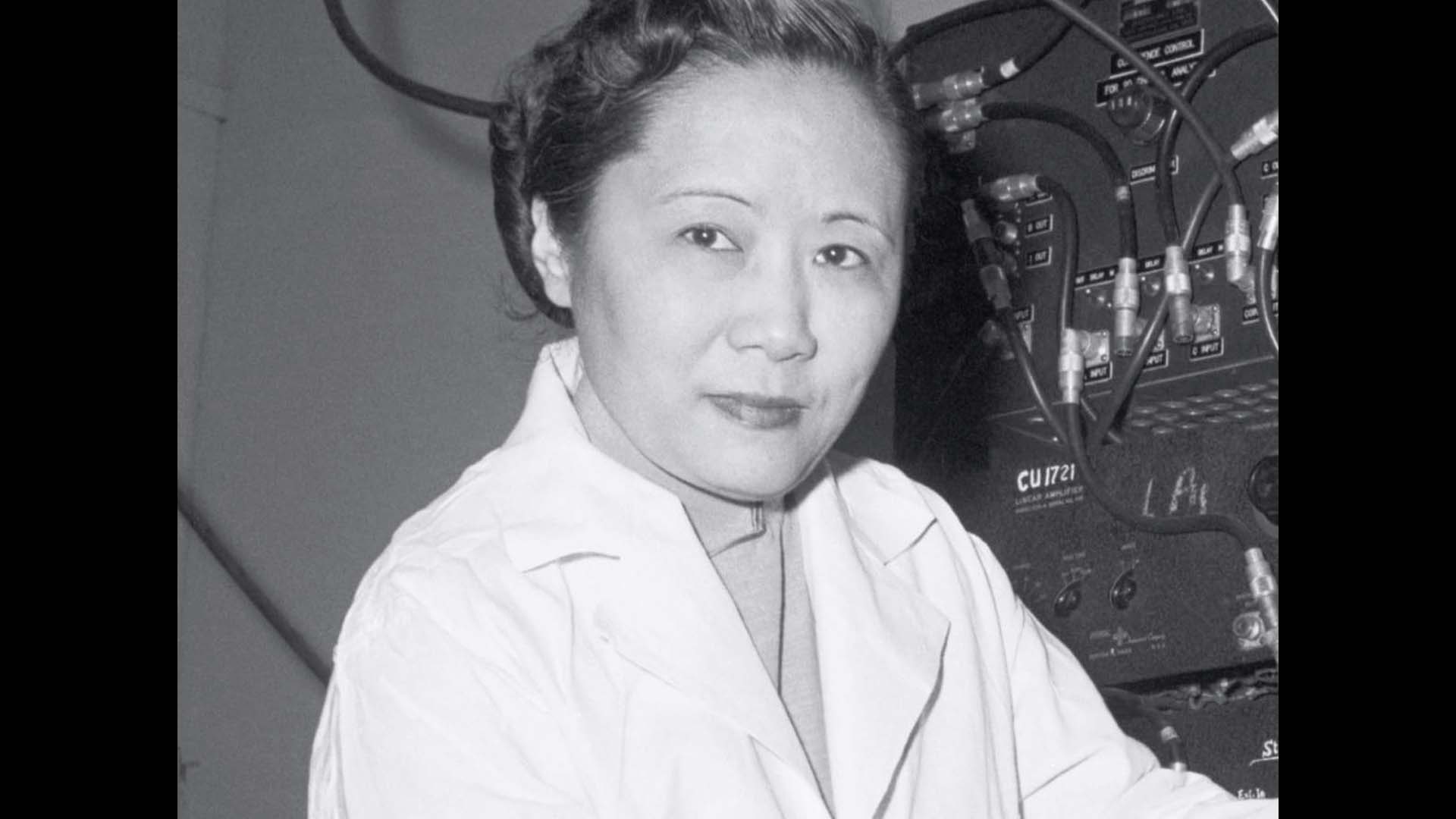 Wu is sometimes known as the First Lady of Physics and is another woman whose scientific contributions were ignored by the Nobel Prize committee. After helping with the Manhattan Project in 1944 at the Substitute Alloy Materials Lab at Columbia University, Wu was offered a position at Columbia and began investigating beta decay. This is when the nucleus of one element changes into another element.
In 1956, based on her extensive knowledge of beta decay, physicists Tsuang Dao Lee and Chen Ning Yang asked her to create an experiment to test their theory that the conservation of parity did not apply during beta decay. She created, initiated, observed an experiment, known as the Wu experiment, and it successfully proved Lee and Yang’s theory. Lee and Yang were awarded the Nobel Prize in Physics in 1957 for this work; her work in pricing the theory was not acknowledged.
Wu continued to be a leader in physics throughout her life with her research spreading to biology and medicine as well. Her work led her to become the seventh woman elected to the National Academy of Sciences in 1958 and the first person to receive the Wolf Prize in Physics in 1978. She was also the first woman to be president of the American Physical Society in 1975.
MLDG: I only recently became aware of Chien Shiung-Wu’s career in nuclear science, which is an unfortunate reflection on the lack of recognition her work has received. Little did I know about her contributions to understanding xenon poisoning in nuclear reactors or her experiments that proved Fermi’s theory on beta decay and disproved the hypothetical “law of conservation of parity” of elementary particle physics. Ernest Lawrence and Robert Oppenheimer, who served on Wu’s PhD committee, were impressed with her work. Need I say more?
Leona Woods Marshall Libby (1919-1986)
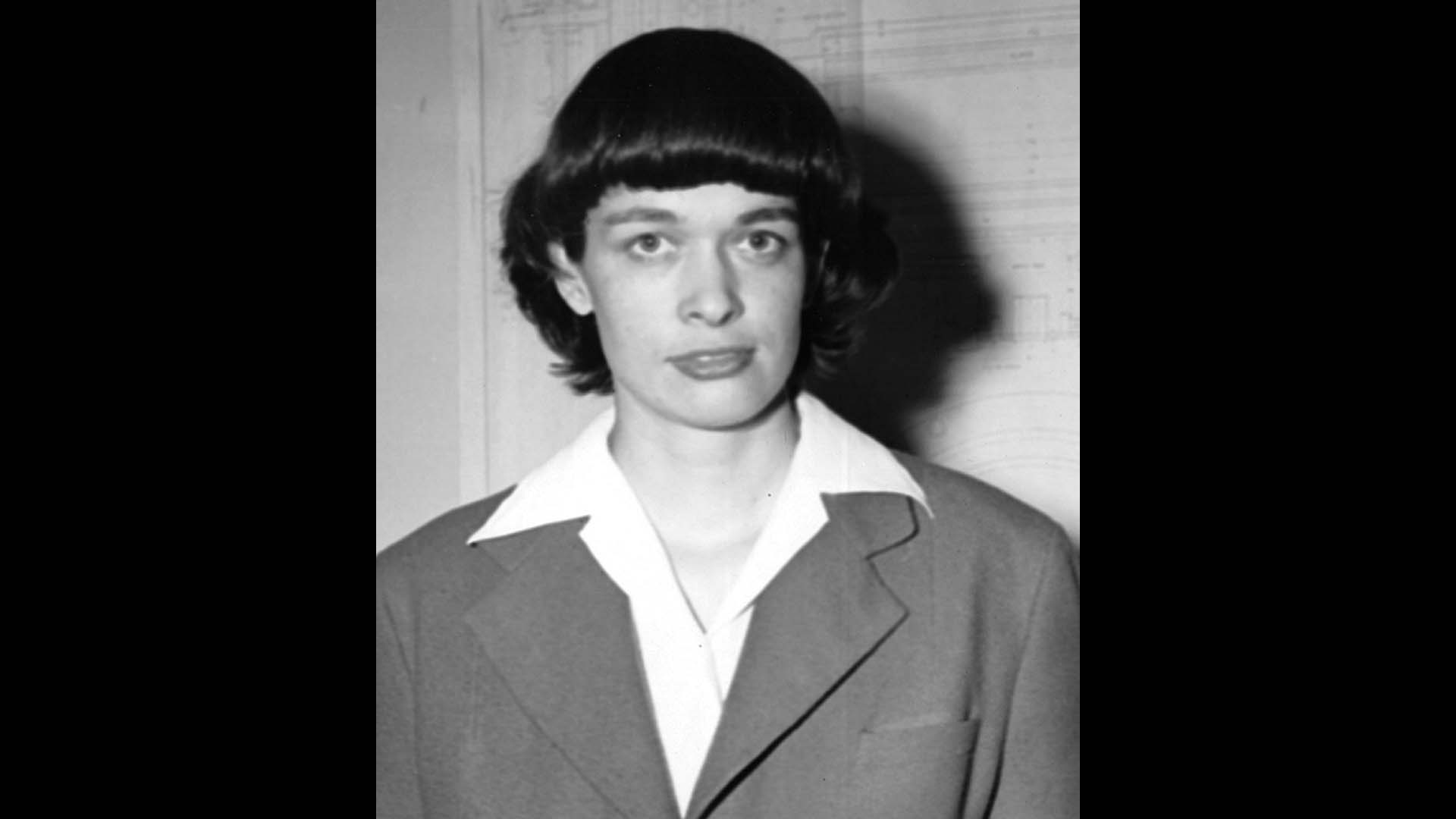
Libby is one of the only women who worked on the Manhattan Project in 1942 and was the only woman on the team that built the world’s first nuclear reactor. She was also the only woman present when the reactor went critical, which was the first human-engineered self-sustaining nuclear chain reaction in history.
Alongside chemist Enrico Fermi, Libby and other scientists carried out experiments to determine how to create a self-sustaining nuclear chain reaction. Libby created a boron trifluoride counter, which detects neutron activity, which is vital to creating a nuclear chain reaction. Later in the war, she helped in the process of consolidating the supply of plutonium which was necessary to make the second nuclear bomb.
MLDG: What it must have been like…the only woman (and only 23!) on Enrico Fermi’s team that constructed the first man-made nuclear reactor! Leona’s boron trifluoride neutron detector informed Manhattan Project scientists that enough neutrons were produced to achieve a chain reaction, the fundamental principle of our nuclear power reactors. So committed was she to this work that she hid her pregnancy from fellow researchers and was back on the job within days of giving birth! She continued to contribute to our understanding of reactor and particle physics throughout her career.
Read more about nuclear energy HERE, or stream Tomorrow’s World Today’s four-part exploration of nuclear energy on Science Channel GO and Discovery GO!
 Read Exclusive Stories
 Bookmark & Save Articles For Later