The U.S. Department of Energy is looking to solve the long-standing problem of what to do with all the leftover waste from nuclear power plants. It turns out the answer might lie in the same technology used for high-end physics experiments.
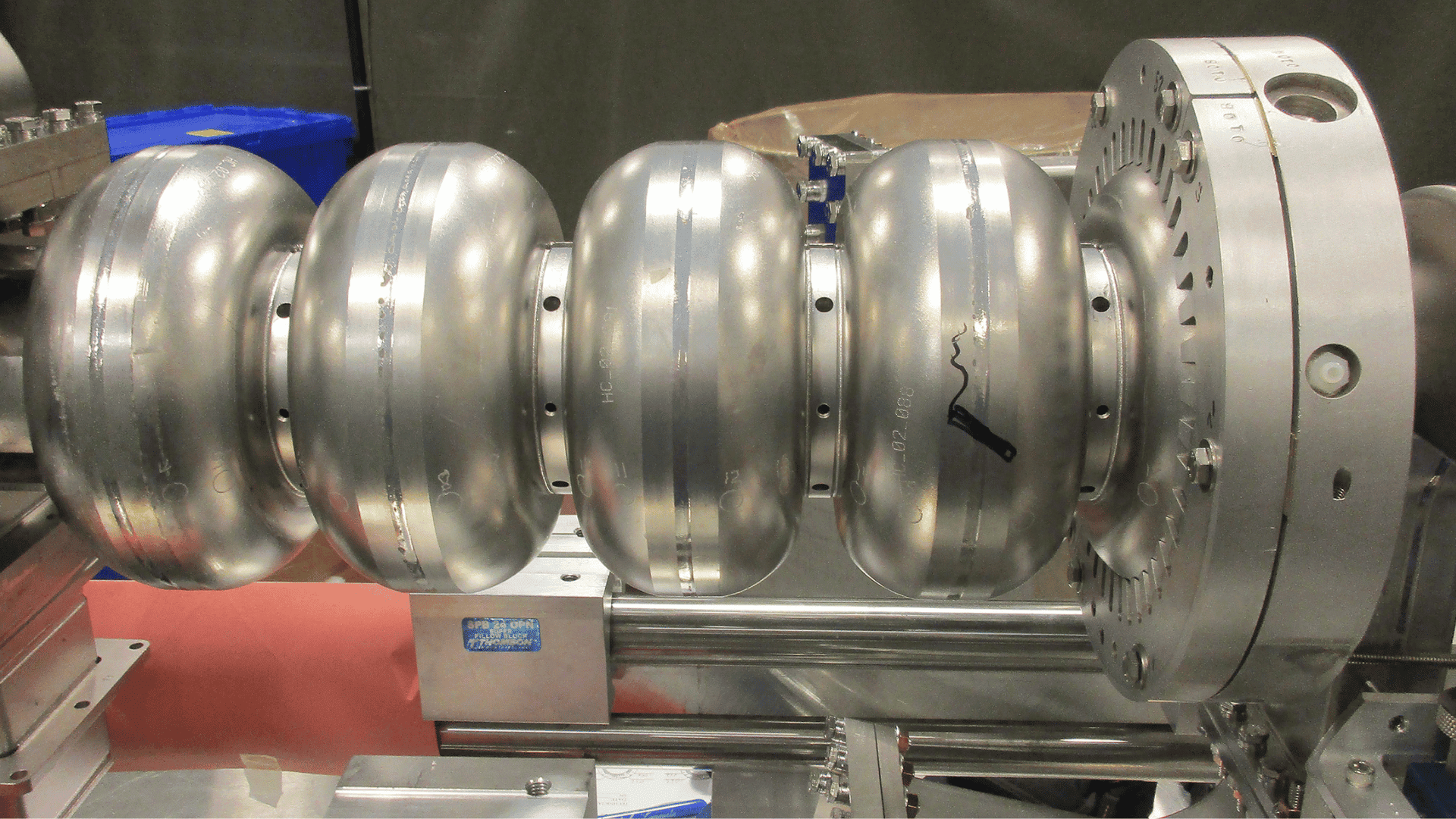
Jefferson Lab in Virginia just landed two grants totaling over $8 million to repurpose particle accelerators for this task. Instead of just using these machines to study the building blocks of the universe, researchers want to use them to “clean” nuclear waste.
Shortening the Wait Time
Right now, untreated nuclear fuel stays radioactive for about 100,000 years. However, by using a process called transmutation, scientists can turn that waste into different materials that are much easier to handle. This could drop the storage time from 100,000 years down to just 300 years.
“These neutrons will interact with these unwanted isotopes and convert them into more manageable isotopes that you can either try out for some beneficial use or bury underground,” said Rongli Geng, a lead researcher on the projects. “Instead of having a lifetime of 100,000 years in storage, for example, you can shorten the storage years down to 300.”
Advertisement
The plan involves using a particle accelerator to fire a beam at a target, which then releases neutrons. Those neutrons hit the old fuel and break it down. It’s a process called an Accelerator-Driven System (ADS), and it could even help generate more electricity while it works.
Making the Tech Affordable
For this to work in the real world, the machines need to be cheaper and more efficient. Usually, these accelerators require massive, expensive cooling systems to function. One of the new projects is testing a way to coat parts of the machine with tin, which lets them run at slightly higher temperatures using standard commercial cooling units.
The second project focuses on the power source. Surprisingly, they are looking at magnetrons, the same kind of tech that microwave ovens use, but on a much larger scale. They need to figure out how to combine these power sources to hit the high energy levels needed for a full-scale waste treatment plant.
“Based on our own success in developing cutting-edge accelerator technologies to enable scientific discoveries, we believe that there is a contribution we can make with the experience we have gained over the last few decades,” Geng added.