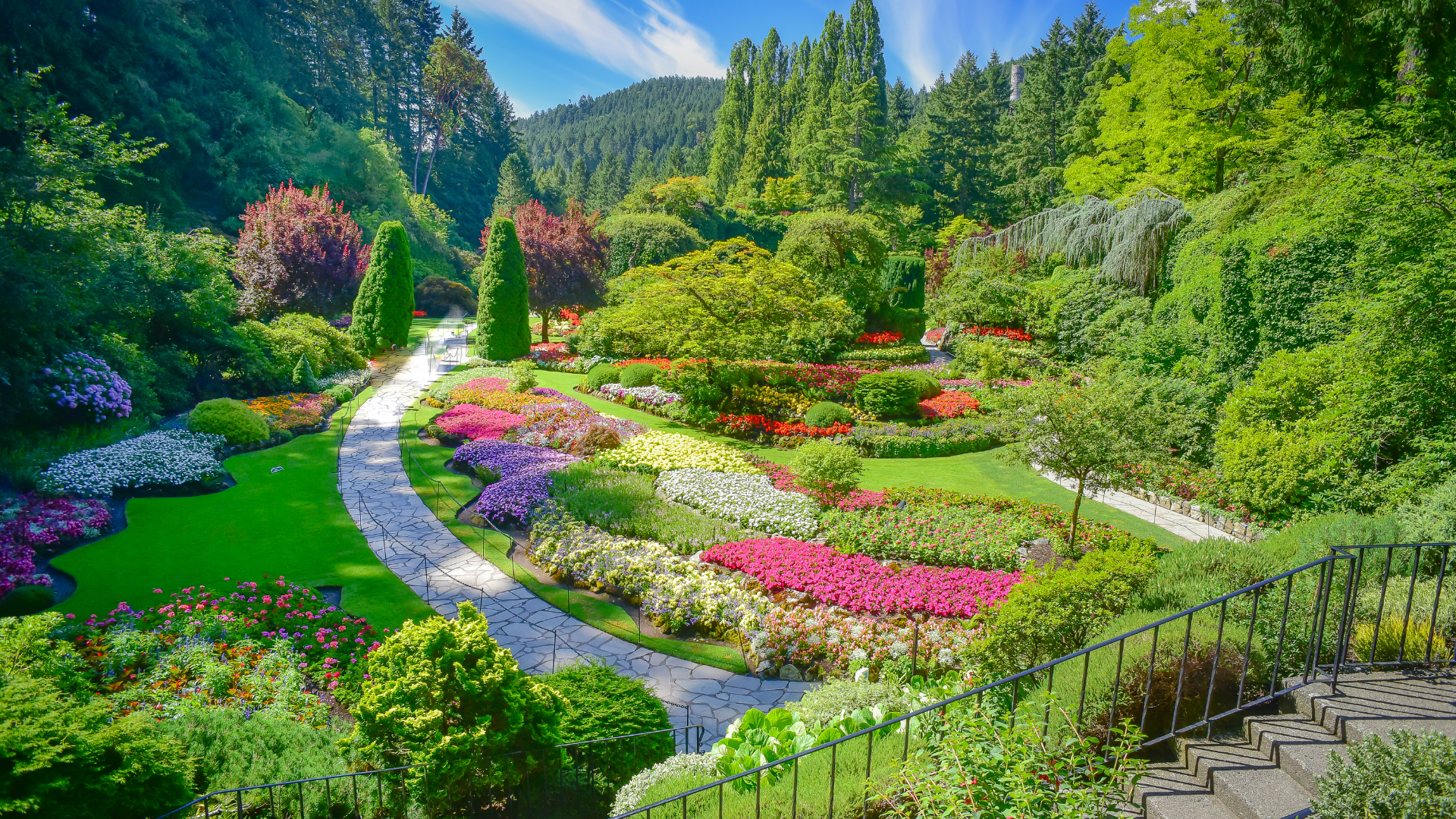
If you visit Vancouver Island in British Columbia, you can walk through one of the most famous gardens in the world. The Butchart Gardens is packed with millions of bright flowers and perfect green lawns. But it did not start out looking like this. Over a hundred years ago, this exact spot was just a massive, dusty hole in the ground left behind by a cement company.
It was essentially an industrial wasteland.
From Cement To Flowers
In the early 1900s, Robert and Jennie Butchart moved to the area to build a cement plant. The ground here was rich in limestone, which is a main ingredient in cement. They dug a huge quarry to extract the rock.
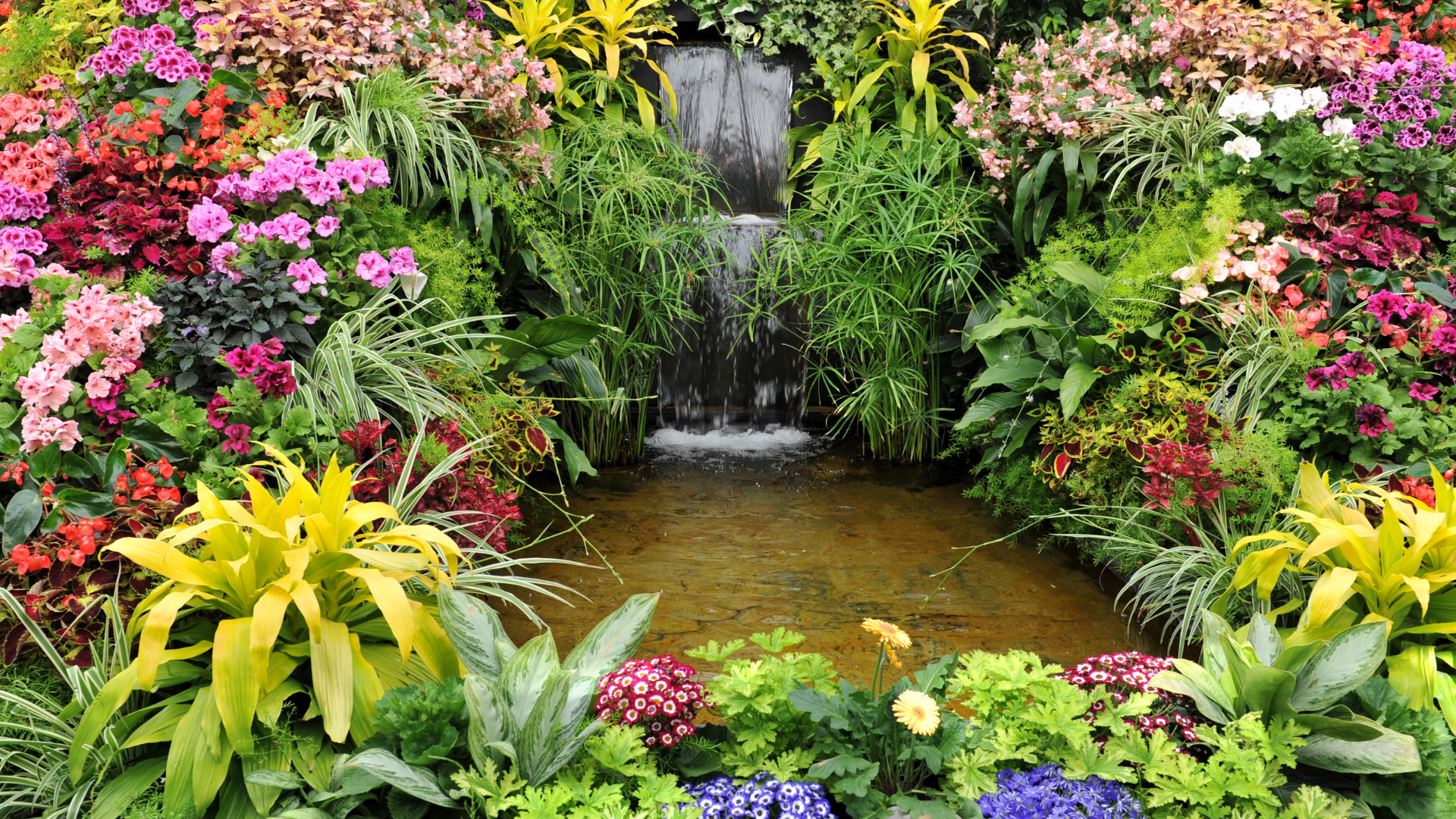
Eventually, the limestone ran out completely. The quarry was abandoned, leaving a giant, ugly pit right next to their family home. Jennie Butchart decided she wanted to fix it. She had workers bring in tons of topsoil using horse-drawn carts. They lined the rocky bottom of the empty pit with good dirt, and she just started planting.
Building The Sunken Garden
Advertisement
That original pit became what is now called the Sunken Garden. You walk down a set of stairs and step right into the old quarry. Instead of staring at gray rock, you are surrounded by beds of bright seasonal flowers, tall trees, and winding paths.
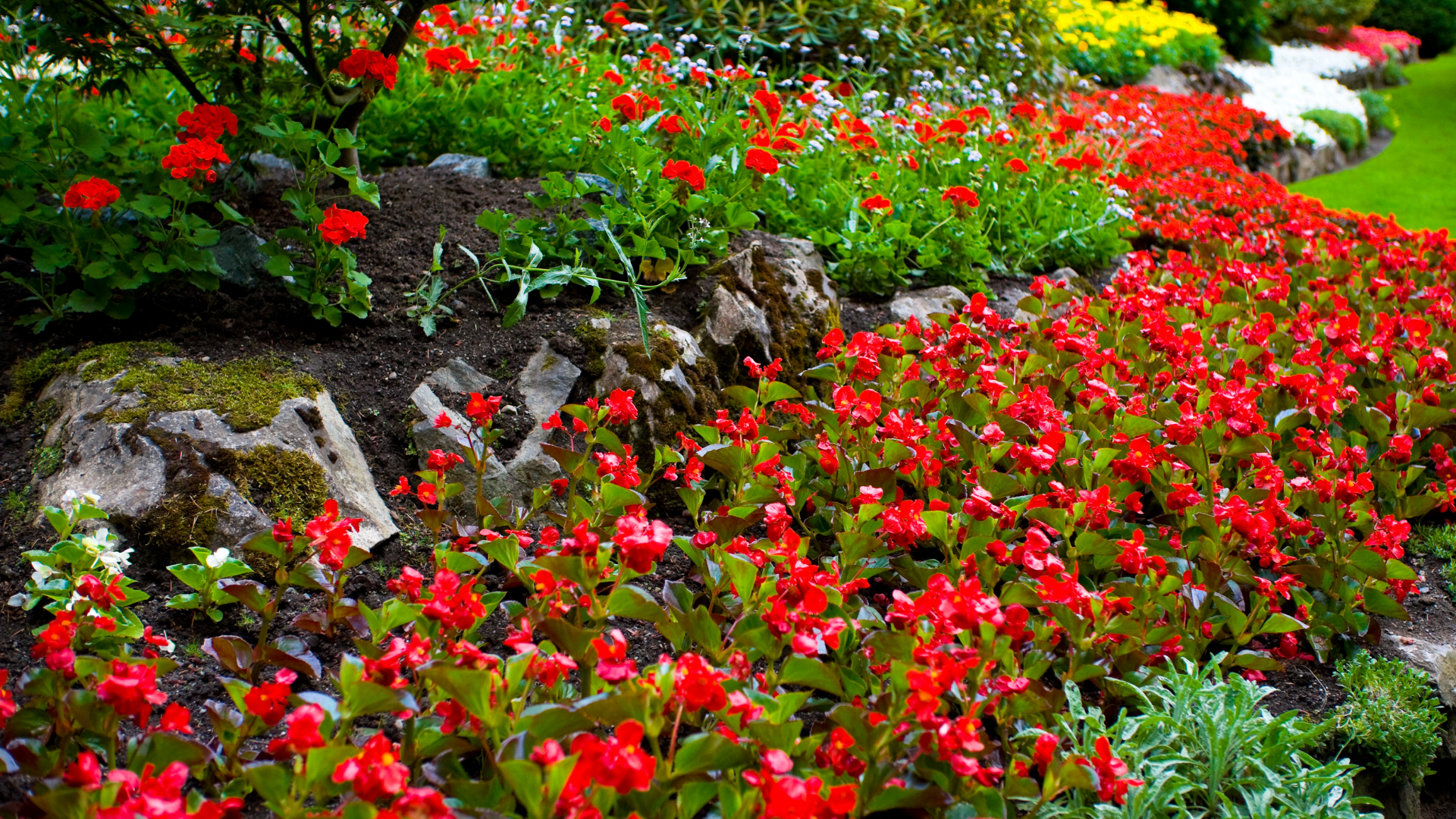
The tall rock walls of the old pit are still there, but they are covered in ivy and hanging plants. Those tall walls actually do an important job. They block the wind and protect the plants from harsh weather. This creates a tiny, safe pocket where delicate flowers can easily survive.
Expanding Across The Property
The family did not stop with just the one quarry. Over the years, they turned the rest of their old industrial land into different themed spaces. They replaced their tennis court with a formal Italian Garden. They built a calm Japanese Garden near the water. Later, they planted a massive Rose Garden.
Now, a large team of full-time gardeners works year-round to keep everything alive. They plant millions of bulbs and seeds so there is always something blooming, no matter what season you visit. It is a great example of how you can take a completely ruined piece of land and bring it back to life.
 Read Exclusive Stories
 Bookmark & Save Articles For Later