Every year, we produce about 50 million tons of PET, the material used to make soda bottles and food containers. While some of it gets recycled, a huge amount ends up in landfills or the ocean. Researchers at the University of Edinburgh have found a way to turn that trash into a drug used to treat Parkinson’s disease.
In a study published in Nature Sustainability, scientists explained how they used engineered E. coli bacteria to act as a tiny factory. The process starts by breaking down the plastic into its basic chemical parts. From there, the bacteria take over, converting those chemicals into L-DOPA, which is the primary medication for Parkinson’s.
Developing a Treatment Using Plastic Waste
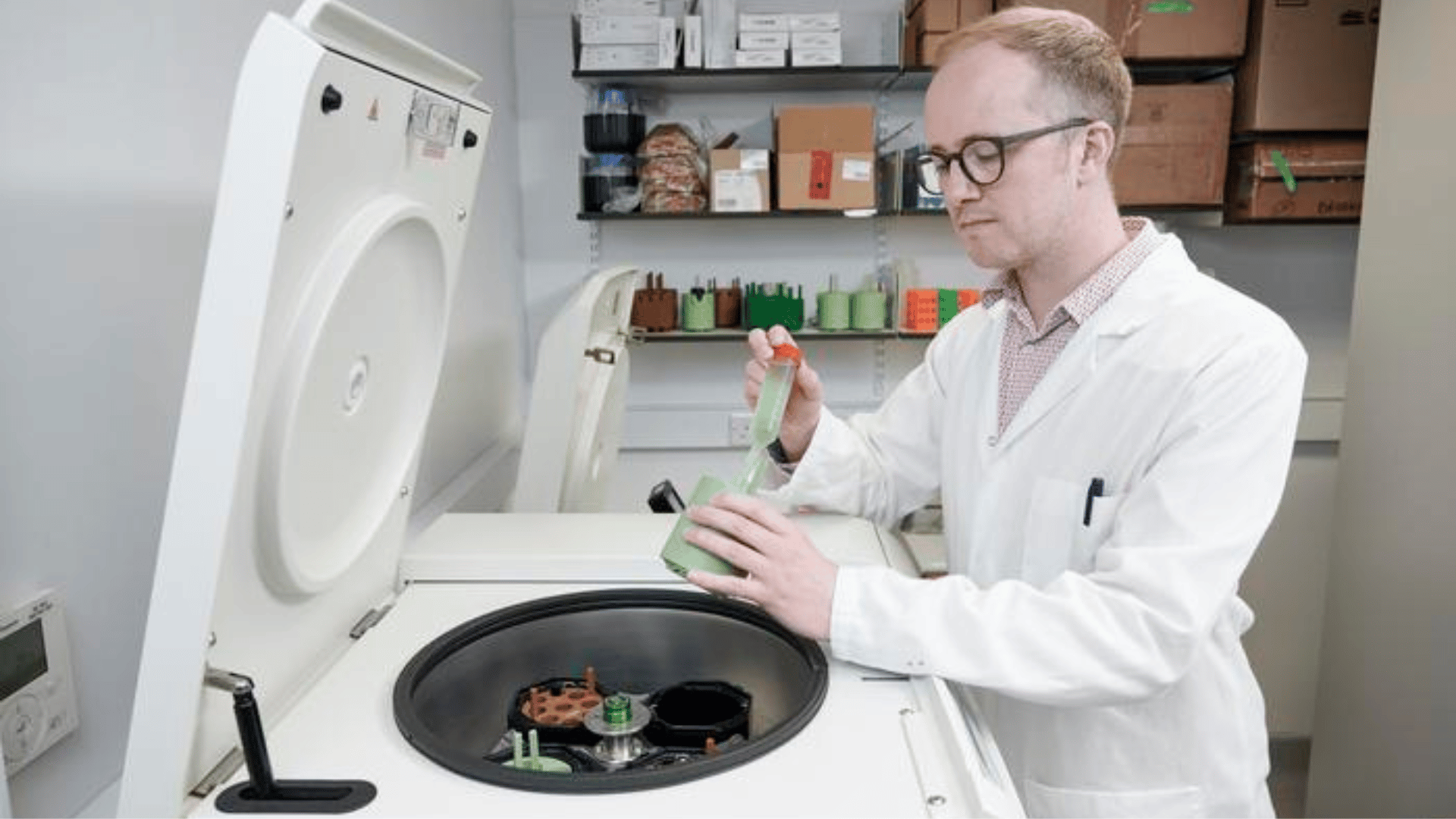
Right now, making pharmaceuticals usually involves using fossil fuels like oil and gas. It is a process that relies on finite resources and isn’t exactly “green.” By using old plastic bottles instead, this new method keeps carbon in the loop rather than throwing it away.
“This feels like just the beginning. If we can create medicines for neurological disease from a waste plastic bottle, it’s exciting to imagine what else this technology could achieve,” Professor Stephen Wallace, who led the study, said. “Plastic waste is often seen as an environmental problem, but it also represents a vast, untapped source of carbon.”
Advertisement
“By engineering biology to transform plastic into an essential medicine, we show how waste materials can be reimagined as valuable resources that support human health,” he added.
Bio-Upcycling
They believe this “bio-upcycling” could eventually be used to make everything from perfumes and flavorings to industrial chemicals. The goal now is to see if they can scale the process up so it can be used in actual factories.
“Turning plastic bottles into a Parkinson’s drug isn’t just a creative recycling idea, it’s a way of redesigning processes that work with nature to deliver real-world benefits,” Dr. Liz Fletcher, Director of Impact at IBioIC, said. “By demonstrating that a harmful material can be converted into something that improves human health, the team is proving that sustainable, high-value applications of biology are both practical and effective.”
The research was supported by a new $18.6 million (£14 million) hub called C-Loop, which focuses on turning industrial waste into sustainable materials.