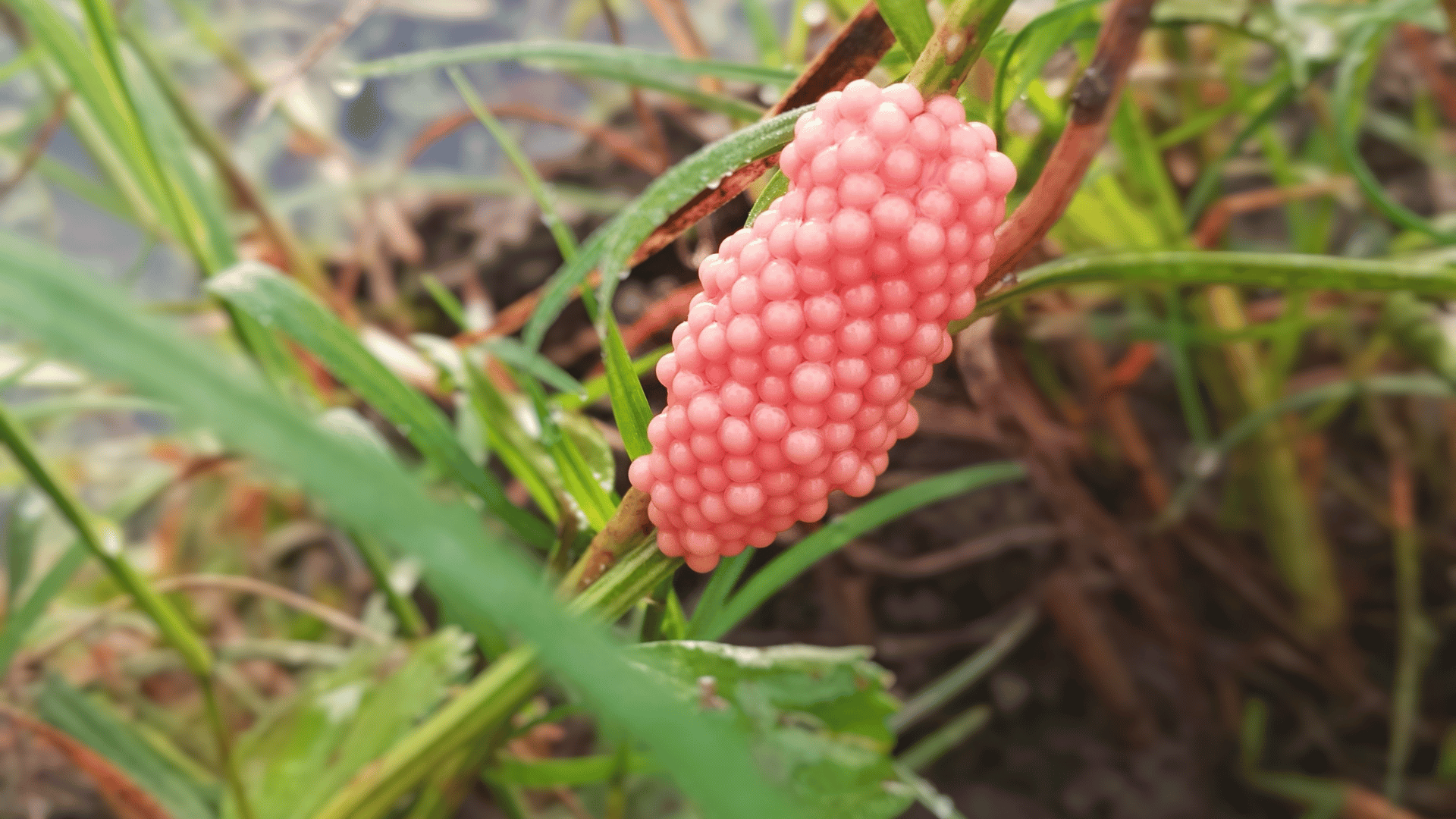
A new survey of caves in Cambodia has yielded 11 species new to science, including a turquoise pit viper, a flying snake, several geckos, two micro-snails, and two millipedes.
Turquoise Pit Viper
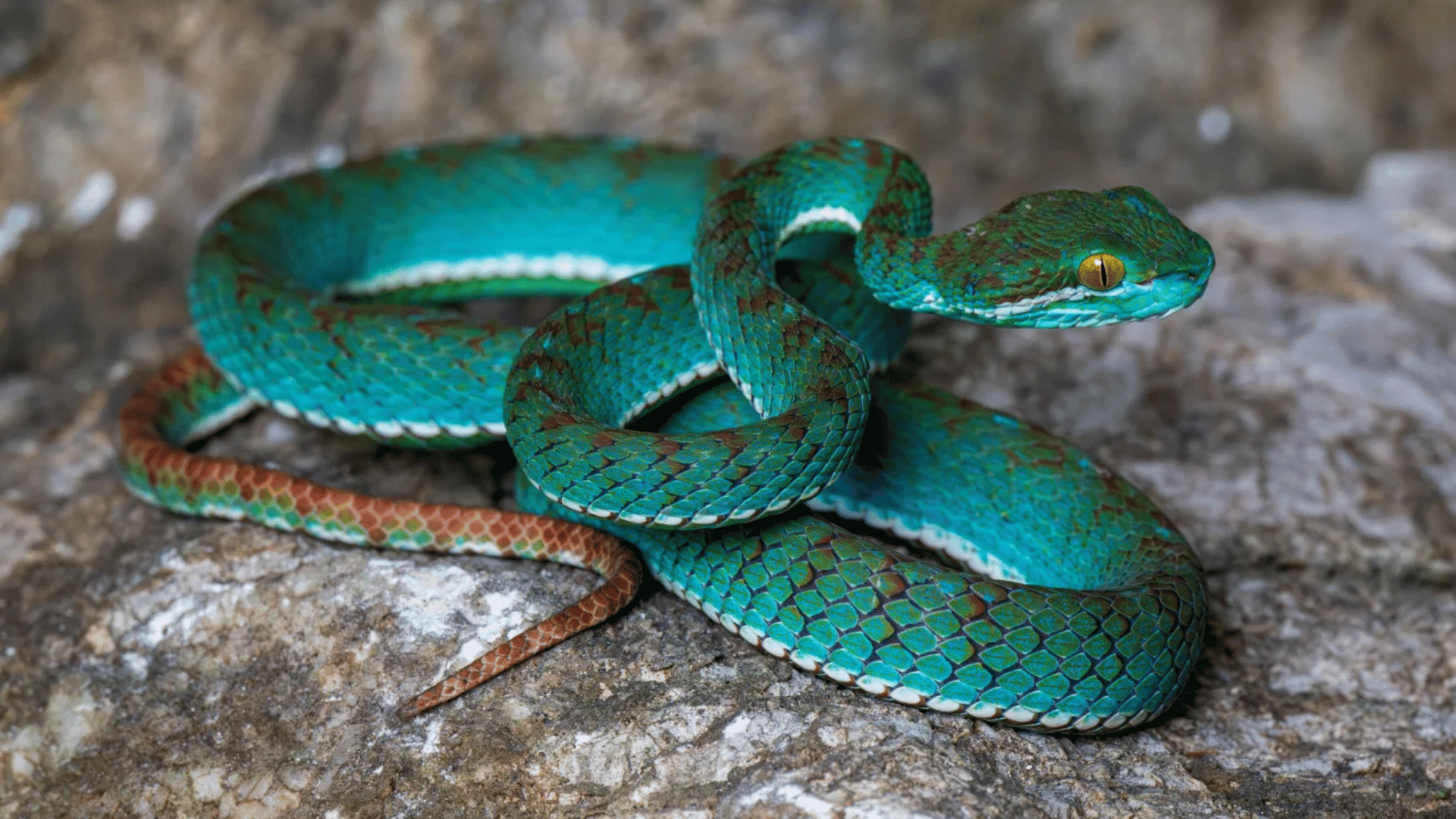
The survey explored 64 caves across 10 hills between November 2023 and July 2025. The viper and three new gecko species are still being formally named, but the remaining finds have now been officially recognized.
According to Fauna & Flora, the UK-based conservation charity that led the survey along with Cambodia’s Ministry of Environment and field experts, each hill and cave in Cambodia’s rocky karst landscape is isolated. This means that each area hosts unique forms of life that have developed and adapted to their niche habitats.
“Think of it as their own vignette of biodiversity, where nature is performing the same experiment over and over again independently,” evolutionary biologist Lee Grismer, professor of biology at La Sierra University in California, who supported the survey team, said in a statement.
“We go to these separate places and analyse the DNA of the species, and we see how the experiment has run. Some look alike, some look different, and by analysing this we can get an idea of what the driving forces are behind the way they evolve,” he added.
Advertisement
Researchers found one species of striped Kamping Poi bent-toed gecko, for example, with four different populations evolving in four different ways.
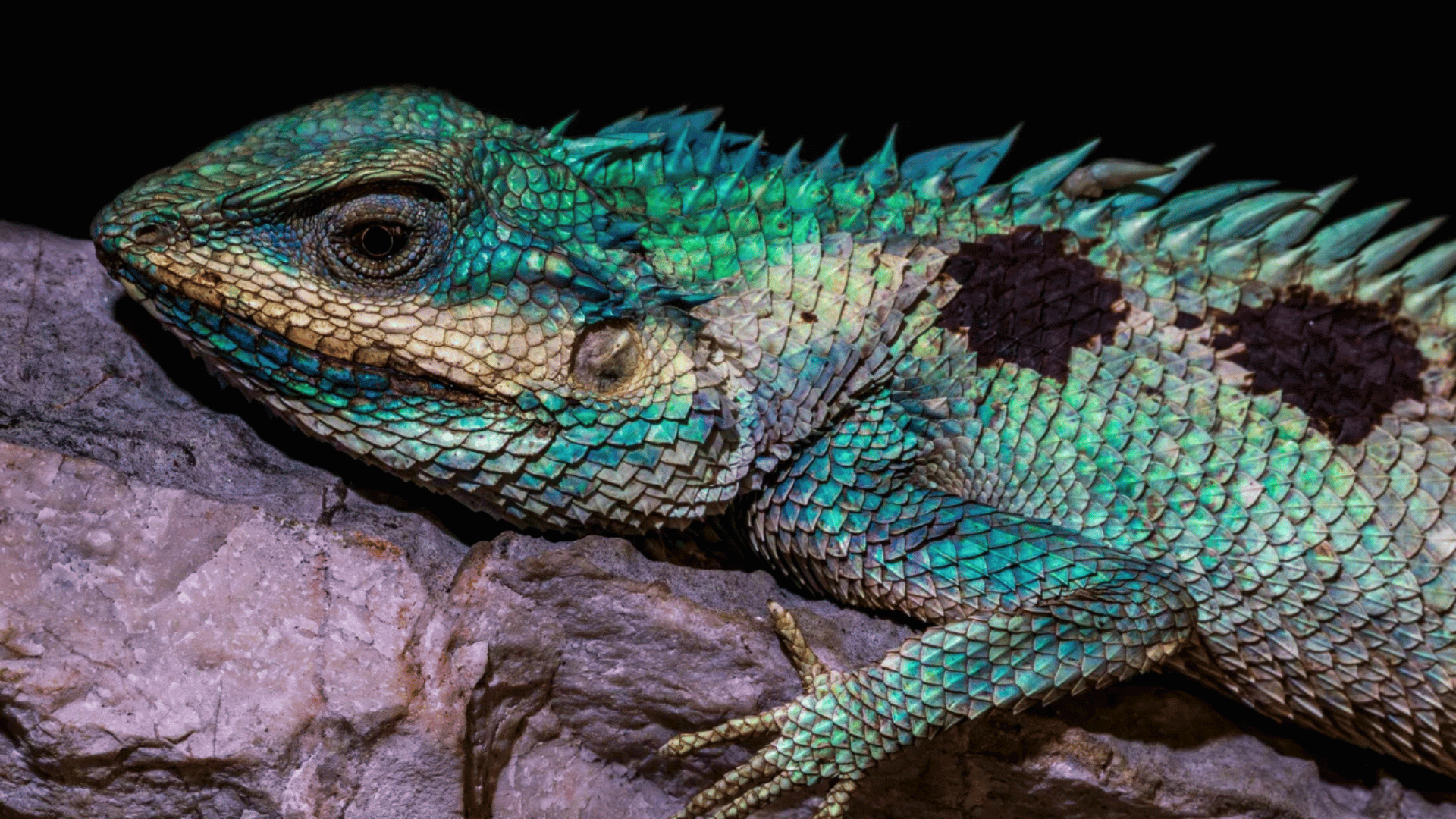
Cambodian Blue-Crested Agama
“If we are truly going to conserve the biodiversity on this planet, we need to understand what is there,” Grismer continued. “We can’t protect something if we don’t know it exists.”
According to the report, a large portion of this area is “still unknown to science.” Fourteen caves that had not previously been surveyed were registered on one karst hill in the Banan district of the Battambang Province.
“There is more exploration to be done,” said conservation biologist Pablo Sinovas, who led the Fauna & Flora team in Cambodia, adding that they have only “scratched the surface” in terms of the biodiversity waiting to be discovered.